 Sky
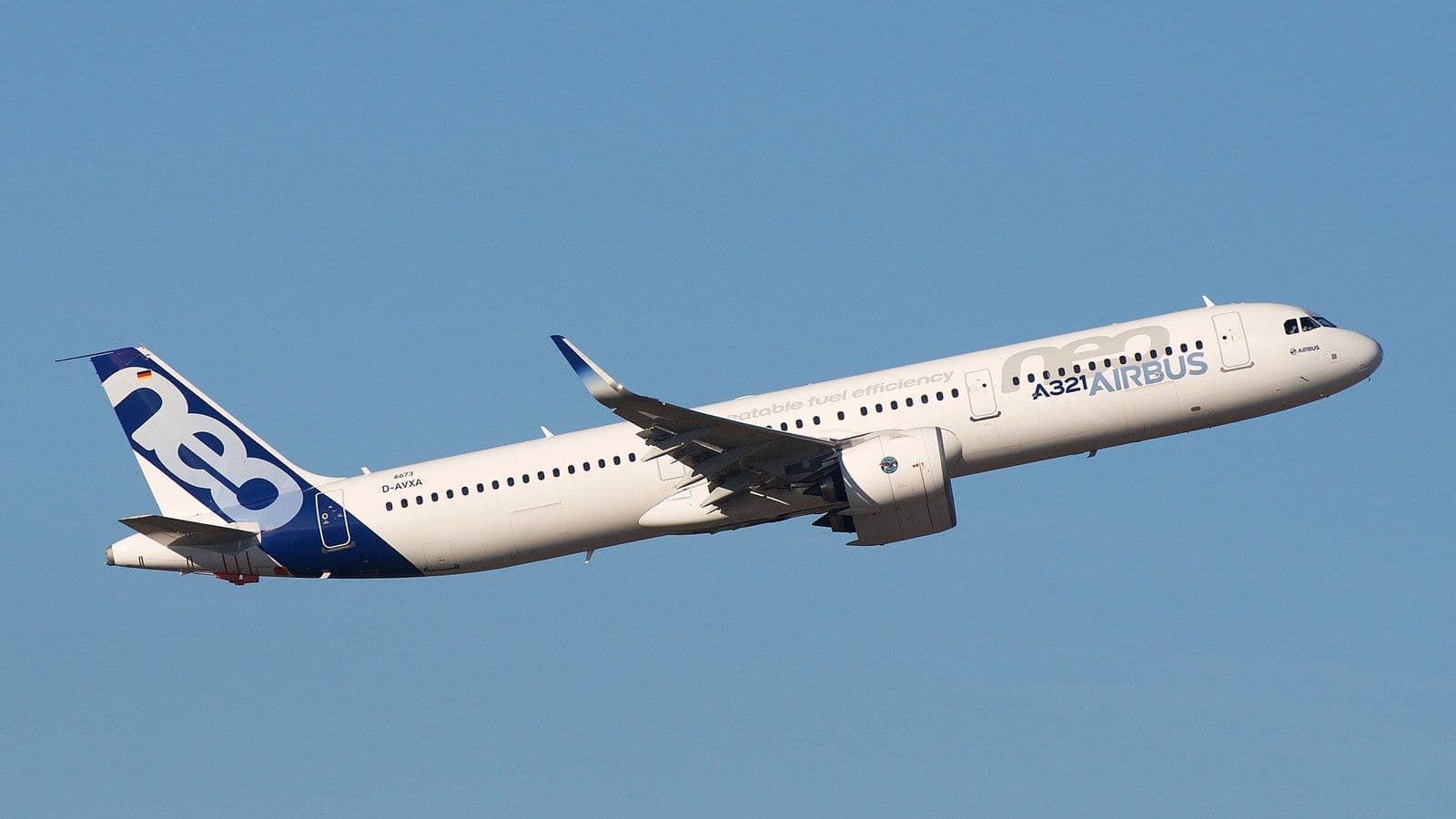
For more than a decade, airlines facing the retirement of their Boeing 757 fleets have treated the Airbus A321neo as the obvious answer. The logic is easy to follow: the two aircraft sit in roughly the same size class, the neo offers dramatically better fuel burn and a modern cabin, and Airbus has sold the type in enormous numbers. Yet as carriers work through fleet renewal plans, a more nuanced picture has emerged. The A321neo is an excellent aircraft and the right replacement for most 757 missions — but not all of them. Understanding where the neo falls short explains why some airlines have hedged their bets, and why the 757's true successor remains an open question.
Background matters here. The Boeing 757 entered service in the early 1980s as a narrowbody with unusual capabilities. Its high-thrust engines, relatively high wing loading and robust landing gear gave it performance that ordinary single-aisle jets could not match. It could operate comfortably from short runways at high-altitude airports, lift heavy payloads over long distances, and carry a meaningful volume of cargo in its belly. For years it was the backbone of transatlantic narrowbody flying and of routes to demanding airports in Latin America, Africa and mountainous regions. When Boeing closed the 757 line in 2004, it left a gap that no manufacturer rushed to fill.
The A321neo stepped into that gap largely by default. Compared with the 757, it is lighter, considerably more fuel-efficient and cheaper to maintain, and its range has grown with each iteration. On typical medium-haul routes from sea-level airports, it is a superior economic proposition. That is why it has become the workhorse for carriers such as American, Delta, United, JetBlue and numerous European and Asian operators. On paper, the mission overlap looks close to complete.
In practice, the differences show up at the edges — and those edges matter. The 757's advantage in hot-and-high conditions is well documented. At airports with high elevation or elevated temperatures, thin air reduces lift and engine performance, and the 757's power margins allowed it to depart with full loads where the A321neo may face payload restrictions. Airlines serving destinations in the Andes, parts of Mexico, or high-altitude African airports have found that the neo cannot always match the older jet's capability without sacrificing seats or cargo.
Runway performance is a related constraint. The 757 was prized for its ability to use shorter runways, including at airports with limited infrastructure. The A321neo, particularly in longer-range variants with higher maximum takeoff weights, needs more runway to achieve similar payloads. For carriers operating to constrained airfields, this can translate into operational compromises or the retention of older aircraft.
Cargo is another quiet but significant factor. The 757's belly holds a substantial volume of freight, and on routes where cargo revenue helps make the economics work, that capacity is not easily replicated. The A321neo's cargo hold is respectable but generally smaller, and payload-range trade-offs become sharper on longer sectors. For airlines that rely on mixed passenger-freight operations — common on transatlantic and Latin American routes — the difference is real.
Range tells a similarly subtle story. The A321LR and A321XLR have pushed the family into territory the 757 never reached, and on many long, thin routes they are genuinely transformative. But maximum range figures are achieved with reduced payloads, and the aircraft's performance on hot-and-high long sectors can be limiting. The 757, by contrast, was often able to combine long range with heavy loads in conditions where the neo must compromise.
Industry implications are already visible. Some airlines have chosen to retain small 757 fleets longer than originally planned, or to supplement A321neos with other types. Boeing, meanwhile, has faced persistent calls for a mid-market or new single-aisle aircraft that could genuinely succeed the 757, though no such programme has been launched. Airbus has responded with the XLR, which narrows the gap but does not close it entirely. The result is a market where the A321neo dominates by volume while a residual niche for a true 757 successor persists.
Looking ahead, the picture is unlikely to change quickly. The A321neo will remain the pragmatic choice for the vast majority of former 757 routes, and its economics are compelling enough that airlines will accept modest capability trade-offs. But the missions that made the 757 special — hot-and-high departures, short-field operations, heavy mixed payloads — will continue to demand either careful scheduling, older aircraft, or a future design that has not yet arrived. The neo is the 757's heir in most respects, but not its equal in every one.