 Sky
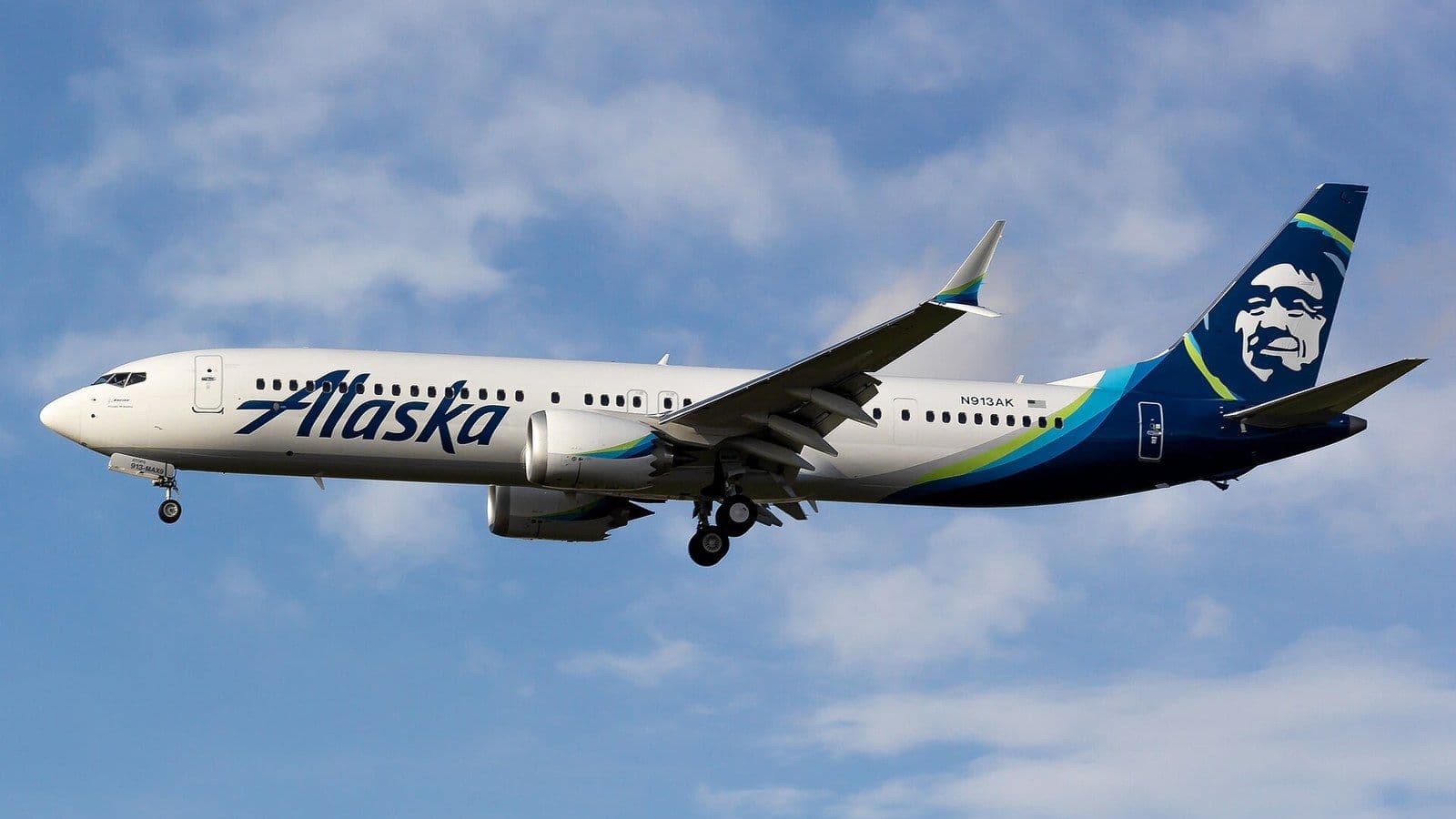
An incident on a jet bridge at Seattle-Tacoma International Airport has thrust Alaska Airlines into a wider national conversation, after reports that a pilot walked off an aircraft and two flight attendants asked to be replaced following immigration arrests carried out on the bridge itself. The episode, first reported by Simple Flying, is notable less for its scale than for its setting: the jet bridge is a liminal space, neither fully terminal nor fully aircraft, and the point at which an airline's duty of care to its crew collides with the authority of federal law enforcement.
The essential facts are straightforward. Immigration and Customs Enforcement personnel conducted arrests on a jet bridge at Seattle-Tacoma, one of the Pacific Northwest's busiest gateways and a significant Alaska Airlines hub. In the aftermath, a pilot reportedly left the flight deck and two cabin crew members requested replacement rather than continue operating. The airline has not, in public statements, offered a detailed account of the operation or the identities of those involved, and the specific legal basis for the arrests has not been fully aired. What is clear is that the events left a flight crew sufficiently affected that the carrier had to reconstitute it before the aircraft could proceed.
Context matters here. Seattle-Tacoma sits in a region with deep aviation ties and a large immigrant population, and airports have increasingly become sites of immigration enforcement activity, a trend that has drawn scrutiny from labor groups and civil liberties organizations. For airlines, the operational reality is that gate areas and jet bridges are governed by a patchwork of jurisdictional arrangements: airport authorities own the infrastructure, federal agencies assert enforcement prerogatives, and carriers remain responsible for the safety and welfare of the crews and passengers moving through them. When enforcement occurs at the aircraft door, that division of responsibility becomes uncomfortably visible.
The industry implications extend beyond a single flight. Crew scheduling is a tightly wound system; a pilot and two flight attendants removed from a rotation can cascade into delays, cancellations, and repositioning costs across a network. More significantly, the episode raises questions about crew psychological readiness. Aviation safety culture places heavy emphasis on fitness for duty, and a crew member who has just witnessed an arrest at close quarters may legitimately judge themselves unfit to fly. That self-assessment is not insubordination; it is a safety mechanism. Carriers and regulators have spent decades encouraging crews to speak up when they are not fit to operate, and this incident tests whether that principle holds when the source of distress is an enforcement action rather than fatigue or illness.
There is also a labor dimension. Flight attendant and pilot unions have pressed airlines for clearer protocols on how to respond when law enforcement boards an aircraft or operates on the bridge, including guidance on passenger handling, documentation, and access to counseling. The reported request for replacement suggests crew members felt they needed to step back, and how the airline responds, whether through peer support, employee assistance programs, or schedule flexibility, will be watched closely by organized labor and by competitors setting their own policies.
For passengers, the practical takeaway is that immigration enforcement can intersect with a routine flight in ways that disrupt schedules and create anxiety in the cabin. Airlines are commercial entities, but they are also the front line of a public-facing transport system, and their crews are not trained as law enforcement partners. Preserving that distinction serves both safety and public trust.
Looking ahead, the industry should expect continued friction at the intersection of aviation operations and immigration enforcement. The most constructive path is proactive: carriers clarifying crew rights and responsibilities, airports coordinating with federal agencies on where and how enforcement occurs, and regulators examining whether existing fitness-for-duty frameworks adequately cover enforcement-related stress. The Seattle episode is unlikely to be the last of its kind, and how aviation handles the next one will say much about its priorities.