 Sky
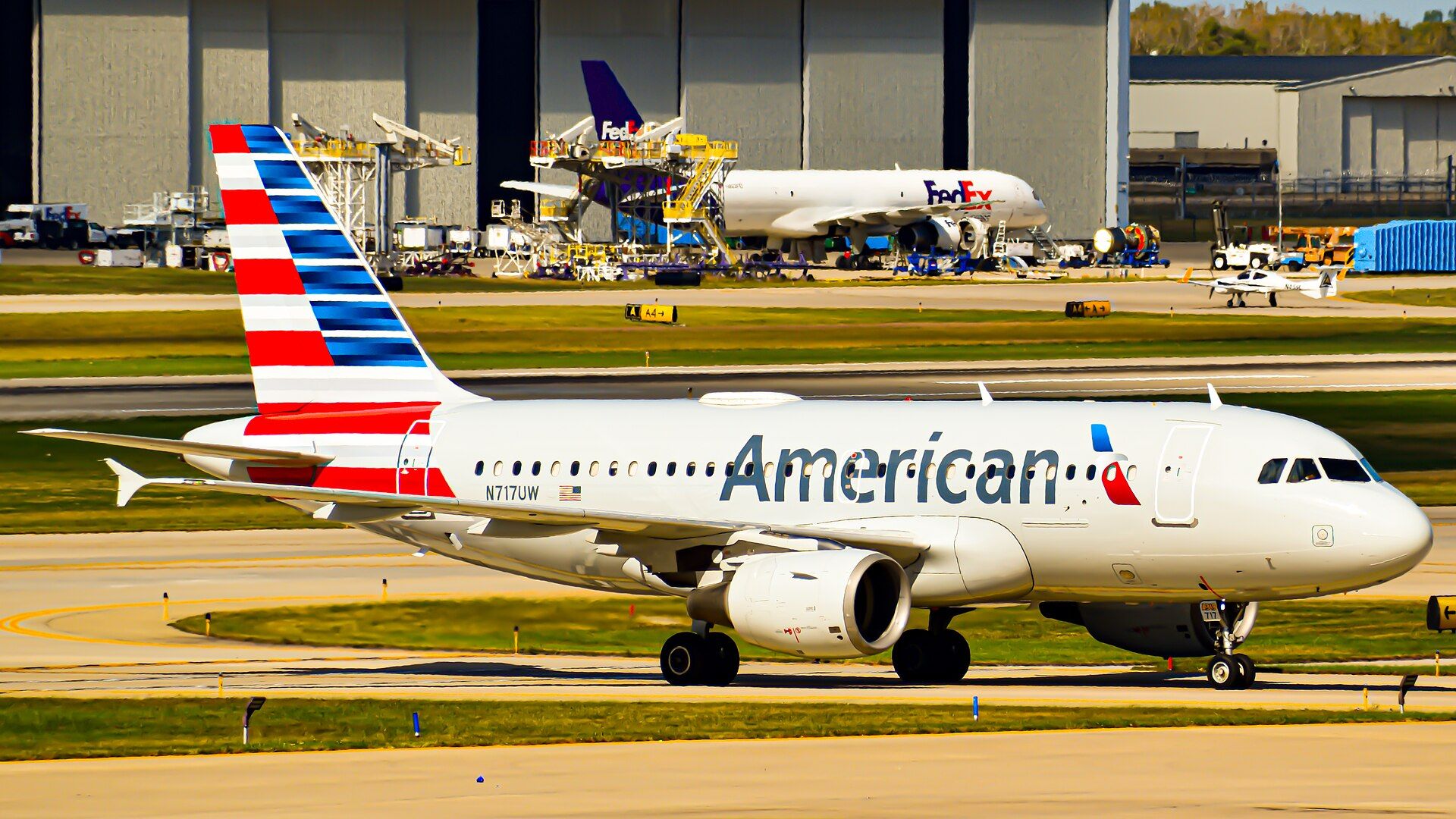
The familiar ding of a seatbelt sign and the low hum of turbofan engines are the ordinary soundtrack of domestic air travel in the United States. But on a recent American Airlines flight aboard an Airbus A319, that routine was interrupted by an allegation of a serious onboard assault, underscoring how quickly a routine midday sector can turn into a law-enforcement matter. According to reports, flight attendants intervened to separate two passengers after one allegedly groped a seatmate, and police were waiting when the aircraft arrived at its destination.
The basic facts are stark and, for the industry, uncomfortably familiar. The incident unfolded on a midday American Airlines flight operating with an Airbus A319, a workhorse of the carrier's short- and medium-haul network. Reports indicate that a passenger allegedly made inappropriate physical contact with the person seated beside them. Cabin crew responded by separating the two travellers, a standard containment measure designed to defuse an escalating situation and protect the alleged victim while the aircraft remained airborne. On arrival, law enforcement officers met the flight, a procedure that has become an established part of the airline playbook for handling reported crimes in flight.
The A319 context matters less for the aircraft type than for the environment it represents. The A319 is a narrowbody with a single aisle and a compact cabin, typically configured for around 120 to 130 passengers in American's layout. In such a confined space, privacy is limited, crew sightlines are constrained, and a disturbance can affect everyone within a few rows. The aircraft's range and economics make it ideal for the dense, high-frequency routes that form the backbone of domestic US aviation, which means incidents like this play out in an environment where cabin crew must act as first responders, mediators and, increasingly, evidence-gatherers.
For American Airlines, the operational response appears to have followed the industry's now well-worn escalation ladder. Crew separate the parties, monitor the situation, notify the flight deck, and arrange for ground-based law enforcement to meet the aircraft. That sequence reflects years of refinement following high-profile unruly-passenger episodes. Since the pandemic-era surge in disruptive behaviour, US carriers have invested heavily in crew training, reporting protocols and coordination with federal authorities. The Federal Aviation Administration's zero-tolerance policy and its referral of serious cases to the FBI have reinforced the message that misconduct in the cabin carries consequences on the ground.
The implications extend beyond a single flight. Allegations of sexual assault aboard aircraft are among the most serious categories of passenger misconduct, and they place unique burdens on cabin crew. Flight attendants must balance care for the alleged victim, the presumption of innocence for the accused, and the safety of the wider cabin, all while the aircraft is sealed and in motion. Separation is the immediate tool, but documentation, witness statements and coordination with the flight deck are equally important for any subsequent investigation. Airlines are also increasingly conscious of reputational risk: how a carrier handles such reports, from the first crew interaction to the arrival gate, shapes public trust.
There is a broader commercial dimension, too. The airline industry continues to grapple with the cost and complexity of disruptive passengers, from diversions and delays to crew time and legal exposure. For a carrier like American, which operates thousands of daily departures, the challenge is systemic rather than exceptional. Robust crew training, clear passenger communication and visible enforcement are the levers available. The presence of police at the gate is a visible signal that the system works, but it also reminds travellers that the cabin is not outside the law.
Looking ahead, the case will likely proceed through the usual channels: local law enforcement, potentially federal authorities, and the airline's own internal reporting. The outcome will depend on evidence and due process, and it would be wrong to prejudge it. What is clear is that the incident fits a pattern the industry has spent years trying to manage. For passengers, the lesson is straightforward: cabin crew are empowered to act, and the arrival gate is no refuge from accountability. For airlines, the priority remains the same, protecting the vulnerable, preserving order in a confined space, and ensuring that the transition from air to ground is seamless when the law needs to step aboard.
Comments (0)
No comments yet. Be the first to share your thoughts.