 Sky
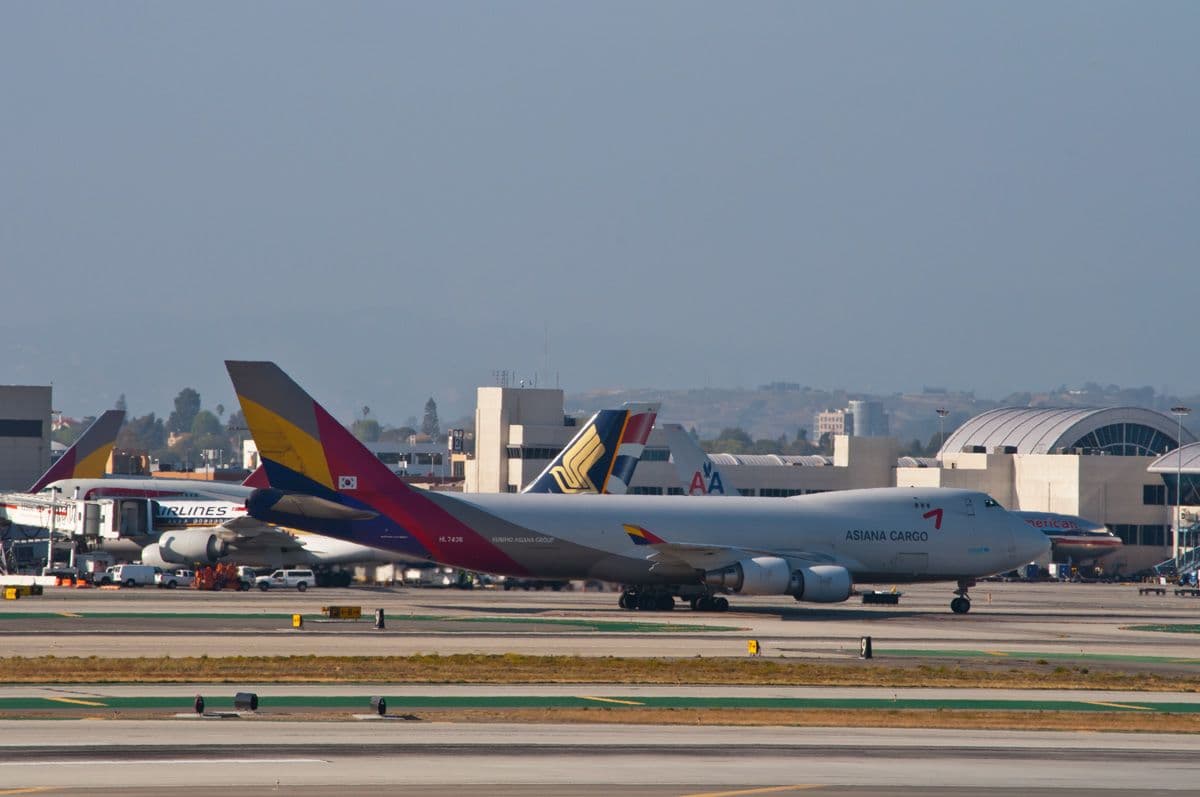
The global air cargo market has spent the past several years relearning an old lesson: freight demand does not always wait for the ideal aircraft. As e-commerce volumes surged and belly capacity vanished during the pandemic, operators scrambled for main-deck lift wherever they could find it. With new-build freighters sold out years in advance and factory slots scarce, the passenger-to-freighter conversion of Boeing 777 airframes emerged as an attractive answer. It is a solution that works, but it is increasingly clear that it is a bridge rather than a destination.
The logic behind the 777 conversion is straightforward. The type offers long range, high payload and a large cross-section, and it sits in a sweet spot between the mid-size narrowbody freighters that serve regional routes and the very large Antonov and 747 platforms that are costly to fill. Converting a used passenger 777, typically an older -200ER or -300 airframe, costs far less than ordering a new 777F and can deliver an aircraft in a fraction of the time. For cargo carriers and lessors looking to capitalize on demand without committing to a multi-year order book, the economics have been compelling.
Yet the model rests on a set of assumptions that are being tested simultaneously. The first is the availability of suitable donor aircraft. The pool of used 777s is finite and, critically, shrinking. Airlines have been retiring the type more slowly than some forecasts anticipated, and many older airframes are being parted out or absorbed into markets where passenger operators still find value in them. Each conversion consumes an airframe that can never be converted again, and as the supply of high-cycle, low-residual-value 777s tightens, acquisition costs rise. What was once a bargain feedstock is becoming a competitive and expensive commodity.
The second pressure point is operating cost. Converted freighters carry the DNA of their passenger origins, including engines and systems that were never optimized for the duty cycles of cargo flying. Fuel burn on older 777 variants is notably higher than on modern purpose-built freighters, and in an industry where fuel can account for a third or more of operating expenses, that penalty matters. Maintenance costs also climb as converted airframes age, and the structural work involved in cutting a main-deck cargo door and reinforcing the fuselage adds complexity that must be recovered over the aircraft's remaining life.
There is also a regulatory and certification dimension. Conversion programs require supplemental type certificates, and the engineering and approval process is demanding. Only a handful of companies have the capability to perform 777 conversions at scale, which constrains throughput and keeps pricing firm. That bottleneck is good news for the converters and for owners of early conversion slots, but it limits how quickly the market can respond to demand swings.
Industry implications extend beyond the freighter operators themselves. For Boeing, conversions represent both an opportunity and a strategic tension. Every converted 777 is a used aircraft that does not become a new-build order, and the company must balance the health of its conversion ecosystem against the sales case for factory freighters and the newer 777-8F. For airlines, conversions offer flexibility but expose them to residual-value risk if cargo yields soften. For lessors, the asset class is attractive precisely because it is scarce, but scarcity cuts both ways as feedstock dries up.
The outlook is therefore one of narrowing opportunity. Conversions will continue to play a meaningful role in the cargo fleet for years, particularly on long-haul routes where capacity remains tight and where new freighters cannot be delivered quickly enough. But the window is closing. As donor airframes become rarer and more expensive, and as fuel efficiency and emissions rules tighten, the economic case will erode. Operators weighing conversion today should model their returns against a shorter amortization period than they might expect. The 777 conversion is a useful and profitable stopgap, but it is built on a resource that is running out, and the industry would be wise to treat it as a transition rather than a foundation.