 Sky
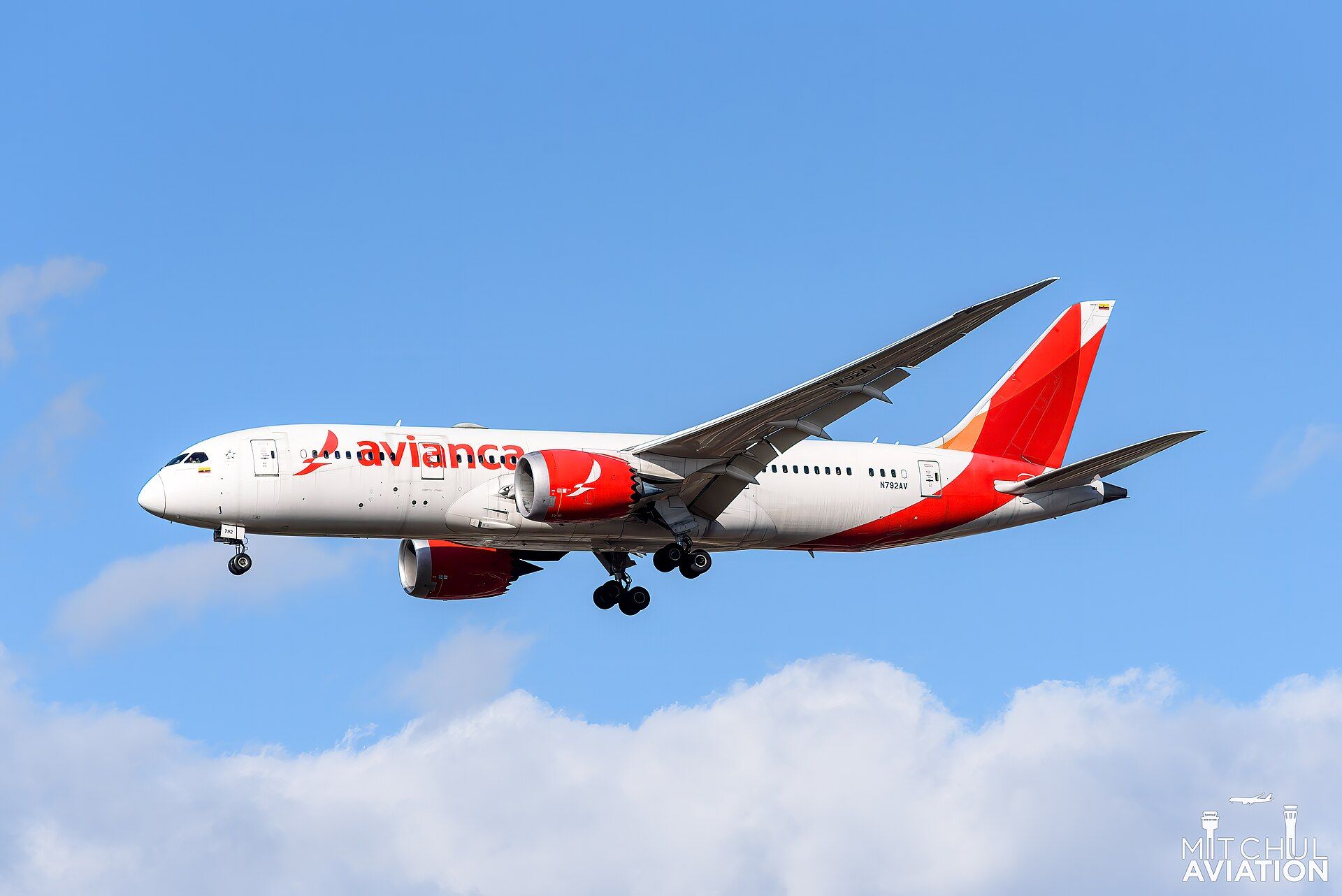
When Boeing launched the 787 Dreamliner, it promised airlines a revolution: a composite airframe, unprecedented fuel efficiency, and a passenger experience that would redefine long-haul travel. What the program delivered in its earliest years, however, was a fleet of aircraft carrying a hidden burden. The first production 787s were up to 22,000 pounds heavier than the examples rolling off the assembly lines today—a weight penalty that traced back to the program's turbulent gestation and left early operators flying aircraft that fell well short of the performance Boeing had advertised.
The story begins with the program's aggressive outsourcing strategy. Boeing farmed out large sections of the 787 to partners around the world, intending to assemble pre-built modules at its Everett plant in Washington state. The approach was meant to slash development costs and timelines. Instead, it produced a patchwork of components that arrived out of tolerance, requiring extensive rework. Sections had to be shimmed, reinforced, and in some cases rebuilt. Every correction added structure, and every added structure added weight. Engineers found themselves designing fixes for fixes, and the kilograms accumulated.
The program's "terrible teens"—the early airframes that became notorious within Boeing and among launch customers—bore the brunt of this. Structural reinforcements around the wing-body join, additional fasteners where composite panels met, and revised systems installations all contributed to the growing empty weight. The 787-8, the first variant to enter service, was particularly affected. Airlines that had signed up on the basis of a certain payload-range capability discovered their aircraft could not carry the promised loads over the promised distances without restrictions.
The consequences were not merely technical. Launch customer All Nippon Airways and other early operators had to accept aircraft that were heavier, thirstier, and more maintenance-intensive than the brochure suggested. Boeing, for its part, faced a financial reckoning: the program's development costs ballooned, and the company was forced to compensate customers and absorb billions in charges. The weight problem became a symbol of a broader lesson about the risks of pushing too far, too fast, on a clean-sheet design.
What makes the 22,000-pound figure so striking is the contrast with today's aircraft. Through years of incremental refinement—redesigned components, improved manufacturing tolerances, optimized systems, and the maturation of the supply chain—Boeing clawed back much of the excess. Later 787s, including the stretched 787-9 and 787-10, benefited from lessons learned, and the weight gap between the earliest and latest airframes grew into a chasm. In effect, the first Dreamliners were flying prototypes in all but name, carrying the cost of a design that had not yet been fully debugged.
For the industry, the episode offers several lessons. First, it underscores how profoundly manufacturing execution shapes an aircraft's real-world economics. Two aircraft of the same model can have materially different operating costs depending on when they were built—a fact that matters enormously in the secondhand market, where early 787s trade at discounts reflecting their performance shortfalls. Second, it illustrates the hidden risks of distributed production: when quality escapes at partner facilities, the weight and cost penalties land on the final integrator. Third, it is a case study in the value of patience. Boeing's subsequent improvements were not glamorous, but they restored much of the aircraft's promised efficiency.
Looking ahead, the early 787s will continue to fly, but increasingly with operators for whom acquisition cost matters more than fuel burn—charter carriers, cargo conversion candidates, and lessors serving price-sensitive markets. Meanwhile, the program's trajectory serves as a cautionary tale for the next generation of aircraft development, including Boeing's own future widebody plans and Airbus's rival programs. The Dreamliner ultimately became a successful aircraft, but its first chapters were written in excess pounds and hard lessons. The 22,000-pound gap is a reminder that in aviation, the distance between promise and delivery is measured not only in years, but in weight.
Comments (0)
No comments yet. Be the first to share your thoughts.