 Sky
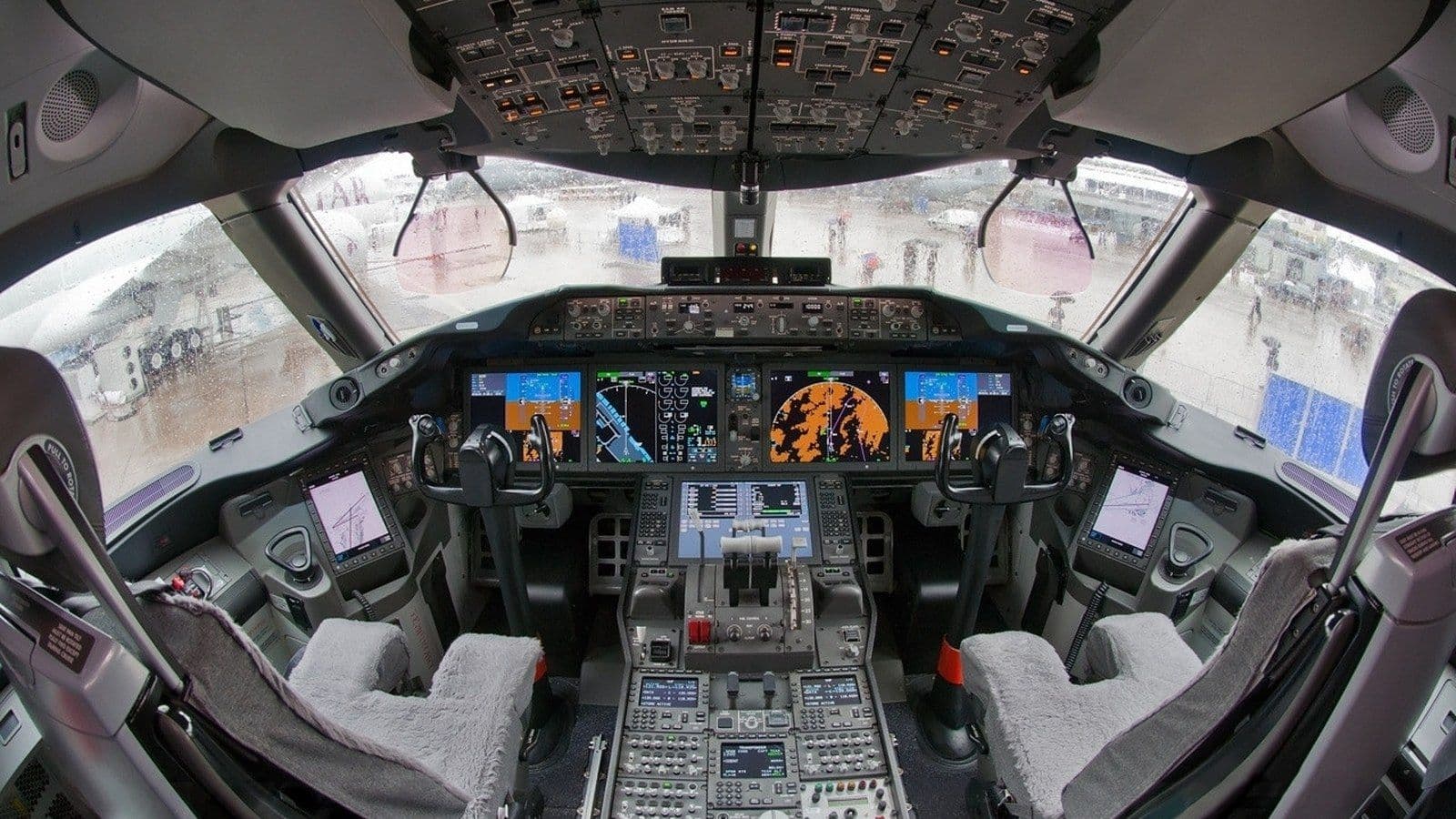
The Boeing 787 arrived as one of the most digitally ambitious airliners ever built. Its flight deck replaced racks of paper and a wall of switches with large multifunction displays and a philosophy that treats software as the backbone of normal operations. Among the most visible changes is the electronic checklist, which moved the crew's to-do lists from printed cards and binders onto the very screens used to fly the aircraft. It is a change that looks simple from the passenger cabin but reshapes how pilots work, train and prepare for the day their displays go dark.
Background matters here. For decades, checklists were physical objects: laminated normal cards, quick-reference handbooks and thick volumes of non-normal procedures stowed beside the pilot's seat. They were reliable in the sense that they needed no power, but they were also static, bulky and easy to let slip out of revision. The 787's electronic checklist system, integrated into the flight deck's display architecture, allows the aircraft to present the right procedure at the right moment, tied to the systems it monitors. When a fault is detected, the appropriate non-normal checklist can be surfaced automatically rather than requiring a pilot to hunt through a binder while managing an emergency.
That integration is the core advantage. The electronic checklist reduces workload by sequencing tasks, tracking completion and reducing the chance that a step is skipped during a high-stress event. It also simplifies revision control, since updates can be distributed digitally rather than requiring every aircraft in a fleet to have paper swapped out. For airlines, that means a more consistent standard across the fleet and less administrative friction in keeping procedures current.
The key fact, however, is that the paper procedure has not disappeared. Paper remains an essential backup when the displays fail, and crews use approved alternate procedures to complete checklists in those degraded conditions. This is not a legacy leftover but a deliberate safety architecture. Modern flight decks are designed around the possibility that the electronic system itself may become unavailable, whether through a display failure, a power problem or a more serious systems event. In those cases, pilots must still be able to run the checklist that gets the aircraft safely to the ground. The approved alternates give them that path, preserving the discipline of checklist use even when the elegant digital version is offline.
Industry implications extend beyond the 787. The move toward electronic checklists is part of a broader shift across Boeing and Airbus flight decks, and it raises training questions for every operator. Pilots must be fluent in both the digital workflow and the paper fallback, because the moment a crew most needs a checklist is often the moment when systems are least cooperative. Regulators have watched this transition closely, and the acceptance of electronic checklists has depended on demonstrating that the backup route is genuinely usable under pressure, not merely documented in a manual.
There is also a human-factors dimension. Electronic checklists can improve compliance, but they can also create new failure modes if crews become over-reliant on automation or if the interface is poorly designed for a distracted, time-pressured pilot. The 787's approach attempts to balance these risks by keeping the underlying procedure familiar and by ensuring that the paper alternative mirrors the electronic one closely enough that switching between them does not introduce confusion.
Outlook: electronic checklists are here to stay, and future flight decks will likely push further toward integrated, context-aware procedures. But the 787's design carries a lesson that the industry should not forget. Digital tools are powerful precisely because they are flexible, and that flexibility depends on a robust, well-rehearsed fallback. Paper may look outdated on a 787 flight deck, yet its presence is a quiet statement of aviation's oldest principle: always have a way to complete the checklist when the screens go dark.