 Sky
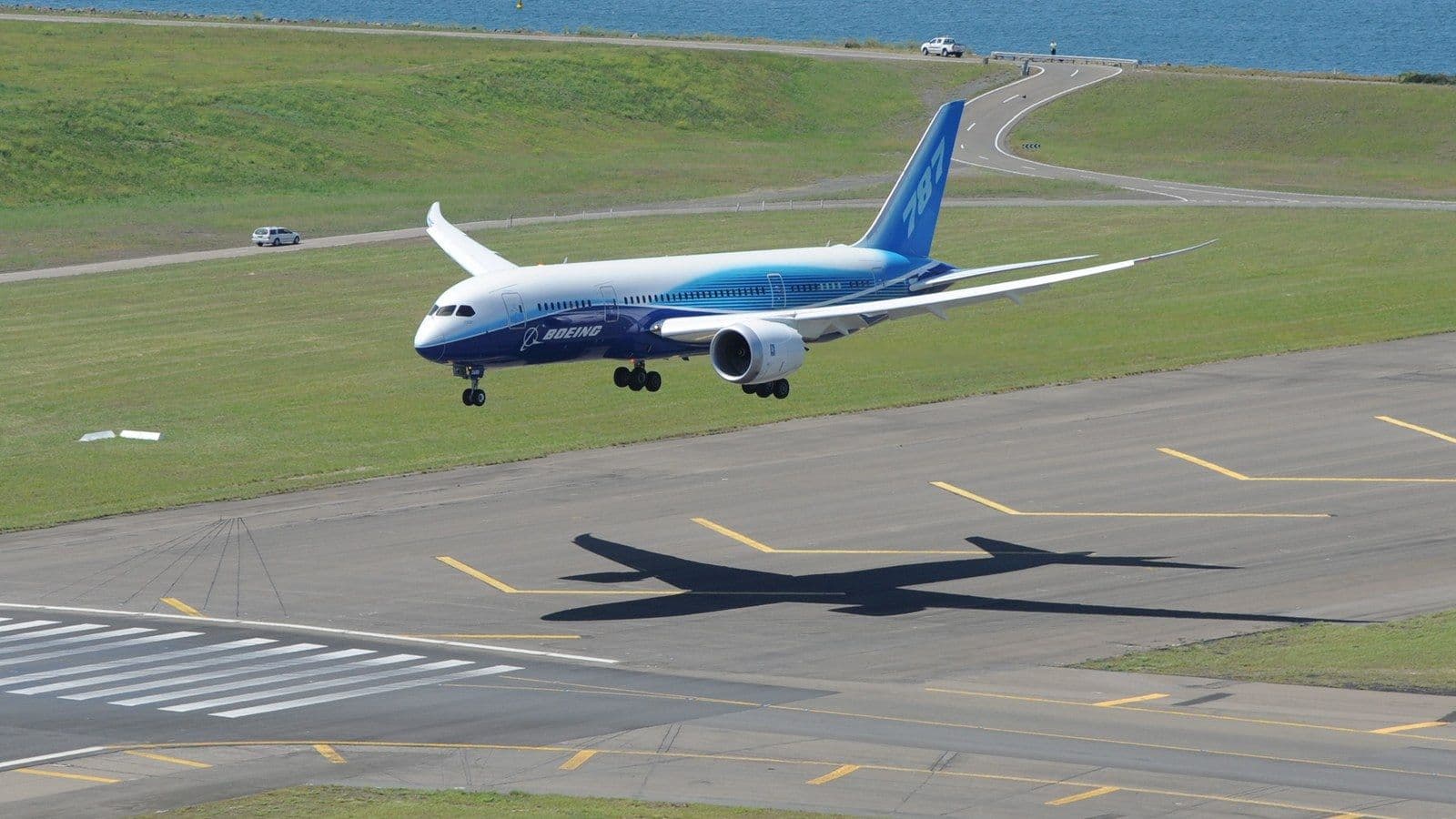
American Airlines operates one of the most diverse widebody fleets in the world, but time is catching up with its oldest long-haul aircraft. The carrier's 47 oldest widebodies—a mix of Boeing 767-300ERs and Airbus A330-300s—are approaching the end of their economic lives. As American plans for the next chapter of its international network, a clear front-runner has emerged from within its own fleet: the Boeing 787 Dreamliner.
The 767-300ER, which forms the backbone of American's transatlantic and select Latin American routes, first entered service with the airline in the 1980s. The oldest frames are now well over 25 years old, and while they remain reliable, their fuel efficiency and passenger amenities lag behind modern standards. Similarly, the A330-300s, inherited from US Airways, are aging and lack the range and economics of newer types. Retirement is not a question of if, but when.
American already operates 47 Dreamliners across the 787-8 and 787-9 variants, with more on order. This existing fleet provides a natural bridge. Pilots are trained, maintenance infrastructure is in place, and the aircraft has proven itself on routes from Chicago to Tokyo and Dallas to Madrid. The 787-9, in particular, offers the range and capacity to replace both the 767 and A330 on most missions, while the larger 787-10 (which American also has on order) can handle high-density transatlantic and Latin American routes.
Industry analysts have long speculated that American would eventually simplify its widebody fleet around the 787 and the larger Boeing 777. The 47 oldest jets represent a significant chunk of the carrier's international capacity, and replacing them with a single family reduces training, spares, and operational complexity. Airbus's A330neo is a theoretical competitor, but American's existing Boeing commitment and the 787's superior cargo economics make the Dreamliner the odds-on favorite.
For passengers, the transition means more comfortable cabins, larger windows, and lower cabin altitude—hallmarks of the 787 experience. For American, it means lower fuel burn per seat, reduced maintenance costs, and the flexibility to deploy capacity on new routes. The airline has already hinted at expanding its transatlantic footprint, and the 787's range opens possibilities like further routes to secondary European cities or deeper into Asia.
The broader industry implication is clear: the 787 is becoming the default widebody for legacy carriers seeking to replace aging twin-aisle fleets. Boeing's recent production challenges have slowed deliveries, but American's existing order book positions it well to phase out the oldest jets without disrupting its network. Competitors like Delta and United are also leaning heavily on the 787, reinforcing the type's dominance in the mid-size widebody segment.
Looking ahead, expect American to announce a formal retirement schedule for its 767s and A330s within the next 12 to 18 months. The 787 will quietly take over, not with a dramatic order announcement, but through the steady drumbeat of fleet planning. By the end of the decade, the 47 oldest widebodies will likely be gone, replaced by a younger, more efficient Dreamliner fleet that cements American's position in the global market.