 Sky
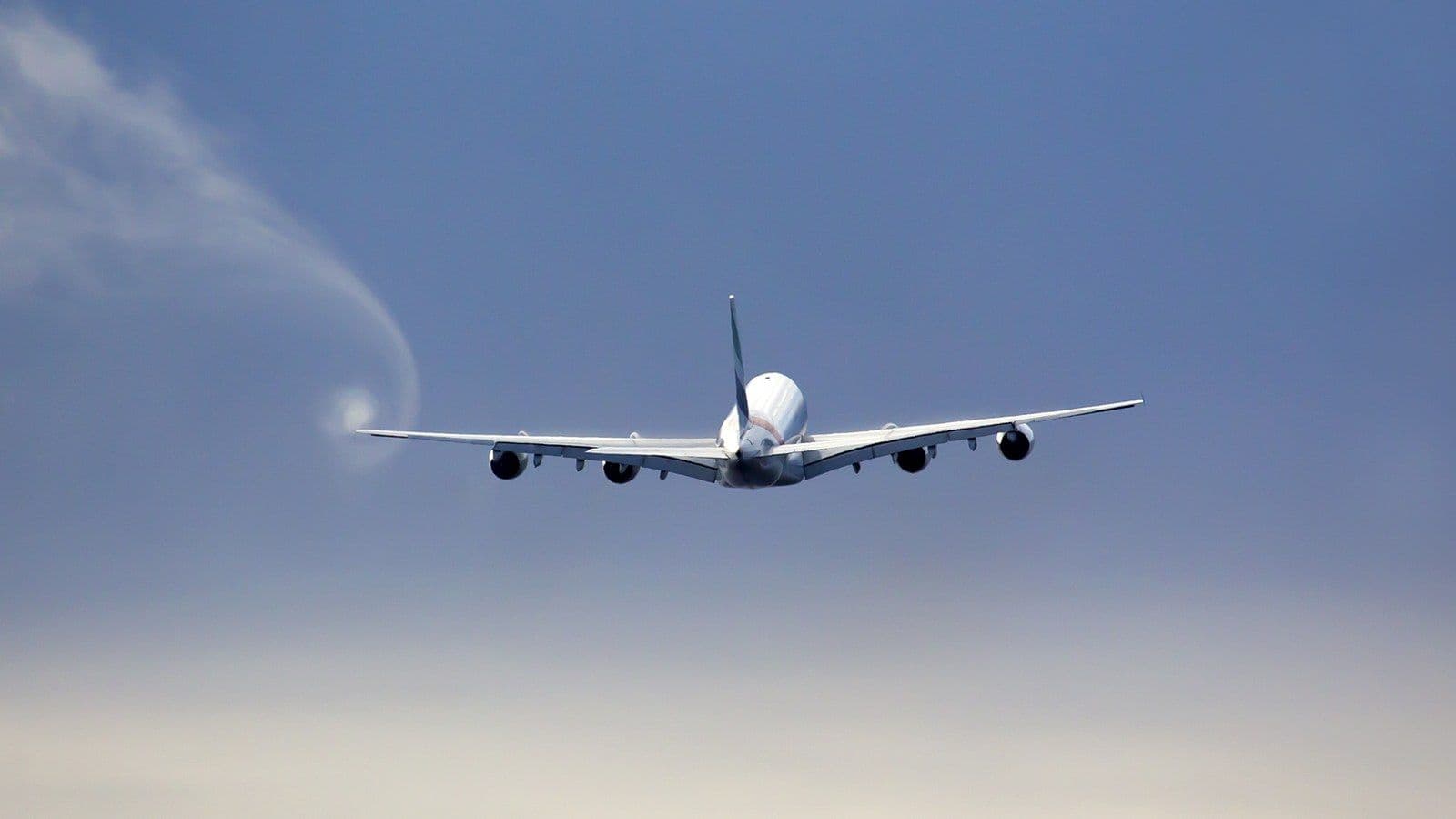
The Airbus A380 was supposed to be a cautionary tale by now. Airbus closed the assembly line in 2021, most operators raced to offload their Superjumbos during the pandemic, and the received wisdom held that four-engine aircraft were finished as viable long-haul assets. Two carriers are now writing very different final chapters for the type, and the contrast between them says as much about strategy as it does about the aircraft itself.
Emirates, the undisputed champion of the A380 with well over a hundred frames in its fleet, has committed billions to a comprehensive cabin refresh and life-extension programme. The headline detail is striking: aircraft are being taken down to bare metal as part of the process, with protective layers and old finishes stripped away before structural inspections and a full interior rebuild. This is not a cosmetic touch-up. It is the kind of deep maintenance and refurbishment work normally reserved for aircraft a carrier intends to keep for many years, and it reflects Dubai's calculation that the A380 remains unmatched on the high-density routes that anchor its hub model.
That logic rests on capacity and passenger appeal. The A380's economics are punishing on thin routes, but on trunk corridors between slot-constrained airports, its ability to move several hundred passengers per movement is difficult to replicate. Emirates has built its brand around the aircraft's spaciousness, its onboard lounge and shower suites, and the sheer presence of the double-decker. Extending that proposition with refreshed cabins allows the airline to keep selling a premium experience on aircraft that have already been paid down, avoiding the capital cost of replacement widebodies at a moment when delivery slots for new aircraft are scarce and expensive.
Qantas has reached the opposite conclusion. The Australian flag carrier is accelerating the retirement of its remaining A380s by roughly four years, pulling forward the end of a fleet that has served its Kangaroo Route network for well over a decade. The reasoning is familiar to anyone tracking the airline's post-pandemic rebuild: a strategy built around ultra-long-haul projects, a renewed emphasis on fuel efficiency, and a fleet plan centred on twin-engine aircraft such as the Boeing 787 and the incoming Airbus A350. Four engines, in this framing, are a cost and complexity the airline no longer wants to carry.
The divergence is instructive. Emirates operates a hub-and-spoke model where sheer scale at a single mega-hub rewards the A380's capacity. Qantas flies long, thin sectors where twin-engine efficiency and range matter more than deck space. Neither is wrong; they are optimising for different networks, and the A380's fate was always going to be decided route by route rather than by a single verdict on the type.
For the wider industry, the split carries several implications. First, the secondary market for A380s remains thin, which makes the Emirates refurbishment programme a bet on captive value: the aircraft are worth more to Emirates flying than to anyone else. Second, the move signals confidence in long-haul demand at the very top of the capacity curve, even as some analysts question whether premium-heavy travel can sustain current levels. Third, it underscores how delivery delays and constrained supply chains for new widebodies are pushing airlines to extend the lives of existing assets rather than wait for replacements.
There is also a maintenance dimension worth watching. Stripping an A380 to bare metal is labour-intensive and requires specialised facilities, and the programme's success will depend on Emirates' ability to keep aircraft cycling through the hangar without disrupting a schedule that depends heavily on the type. Any slippage would be felt across the network.
The outlook, then, is a tale of two retirements. Qantas will phase out its Superjumbos years ahead of plan, closing a chapter that began with great fanfare in the 2000s. Emirates, by contrast, is effectively betting that the A380 has a second act, one written in bare metal and fresh cabins. Whether that bet pays off will depend on demand for high-capacity long-haul travel and on how long the aircraft can remain competitive against a new generation of efficient twins. For now, the double-decker's story is not ending — it is simply splitting into two very different endings.