 Sky
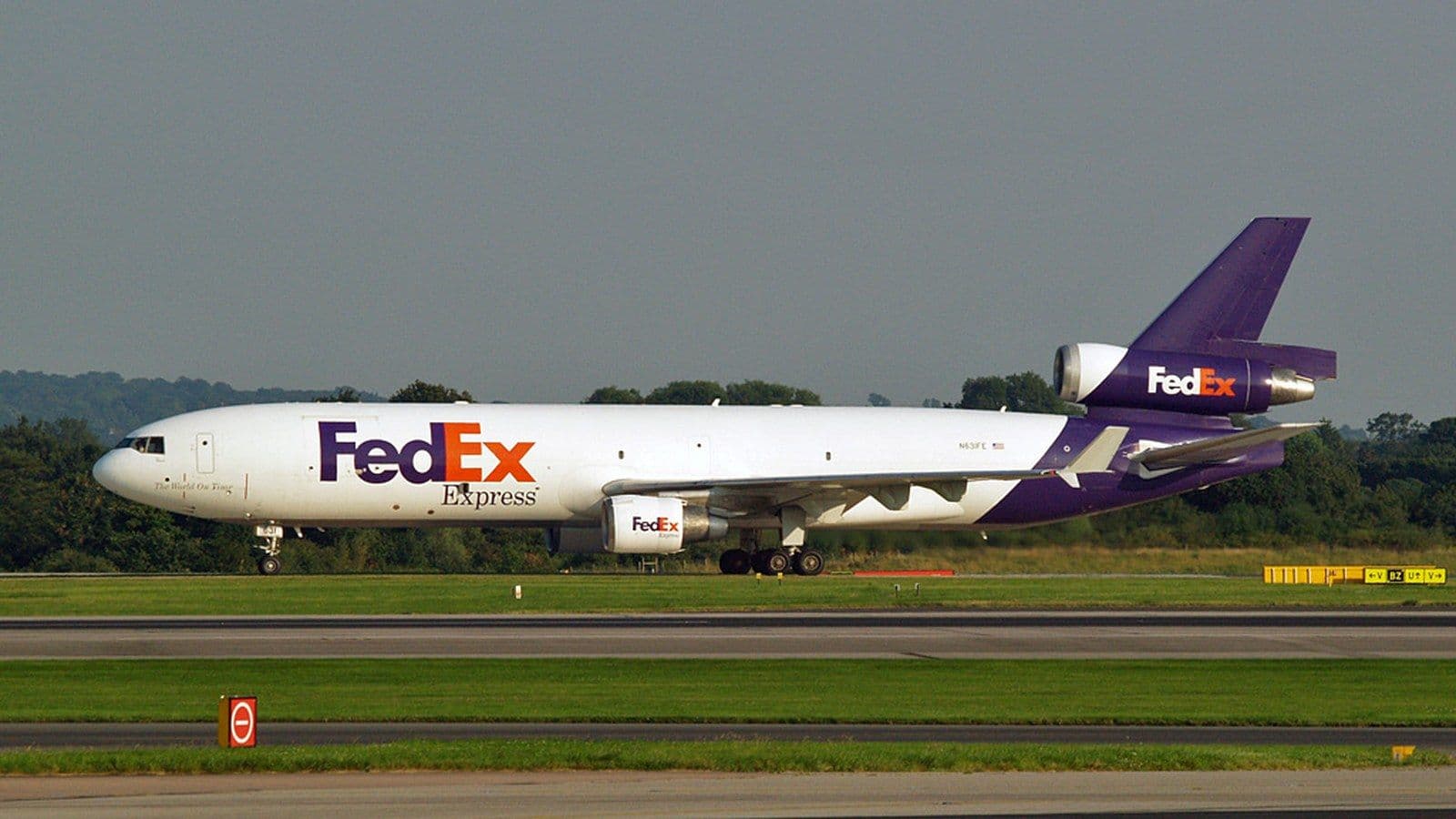
A FedEx McDonnell Douglas MD-11 freighter overran the end of a runway at Miami International Airport, forcing authorities to implement a ground stop that briefly disrupted operations at one of the busiest cargo gateways in the United States. The aircraft involved is reported to be 34 years old—a striking figure that frames the event less as an isolated mishap and more as a window into the economics and risk profile of the modern air-cargo fleet. No injuries have been reported, a fact that underscores both the robustness of the airframe and, crucially, the fact that the aircraft was operating a cargo mission rather than carrying passengers.
The MD-11 has long been a familiar sight at cargo ramps worldwide. Designed by McDonnell Douglas as a stretched, three-engine widebody successor to the DC-10, the type entered service at the end of the 1980s with high hopes in the long-haul passenger market. Those hopes were tempered by handling characteristics and performance issues that made it a polarizing aircraft among passenger carriers, and most major airlines retired their MD-11 fleets years ago. But the freighter version found a second life. Its combination of payload, range, and—perhaps most importantly—low acquisition cost made it attractive to express cargo operators, and FedEx became one of the largest remaining MD-11 operators in the world.
That second life is now entering its later chapters. A 34-year-old airframe is not unusual in cargo service, where aircraft often fly well beyond the retirement ages typical of passenger fleets. Freighters accumulate cycles differently from airliners, and cargo operators are adept at extending airframe life through heavy maintenance checks and structural inspections. Still, age brings with it a predictable set of considerations: component wear, corrosion management, and the constant need to balance maintenance costs against the residual value of an asset that is no longer in production. Every high-profile event involving an aging type inevitably invites questions about whether those economics remain sound.
The Miami overrun also highlights the operational environment in which these aircraft work. Miami is a dense, high-tempo hub with a mix of commercial, cargo, and general aviation traffic, and runway excursions—while rare—are among the most closely watched categories of accident because they can occur in benign conditions as well as in bad weather. Investigators will likely examine runway surface conditions, braking performance, thrust reverser deployment, landing speed and configuration, and crew decision-making. At this early stage, no cause has been established, and it would be premature to attribute the overrun to the aircraft's age or design. The ground stop itself reflects standard precautionary practice: when an aircraft comes to rest beyond a runway end, airports must ensure the area is safe, account for the crew, and assess infrastructure before resuming movements.
For the cargo industry, the implications extend beyond a single event. Express carriers operate on razor-thin scheduling margins, and a runway closure at a hub like Miami can cascade through sorting networks and onward connections. The incident also arrives as the freighter market undergoes significant transition, with newer widebody conversions and next-generation types gradually assuming roles long held by trijets. FedEx has been modernizing its fleet, and events like this tend to accelerate internal conversations about retirement timelines, even when no causal link is found.
Outlook: The investigation will take months, and the immediate priority is a thorough examination of the aircraft and the runway environment. For now, the absence of injuries is the headline. But the longer story concerns an aging but still capable fleet, the durability of cargo economics, and the industry's steady, deliberate march toward replacing the aircraft that built modern express logistics.