 Sky
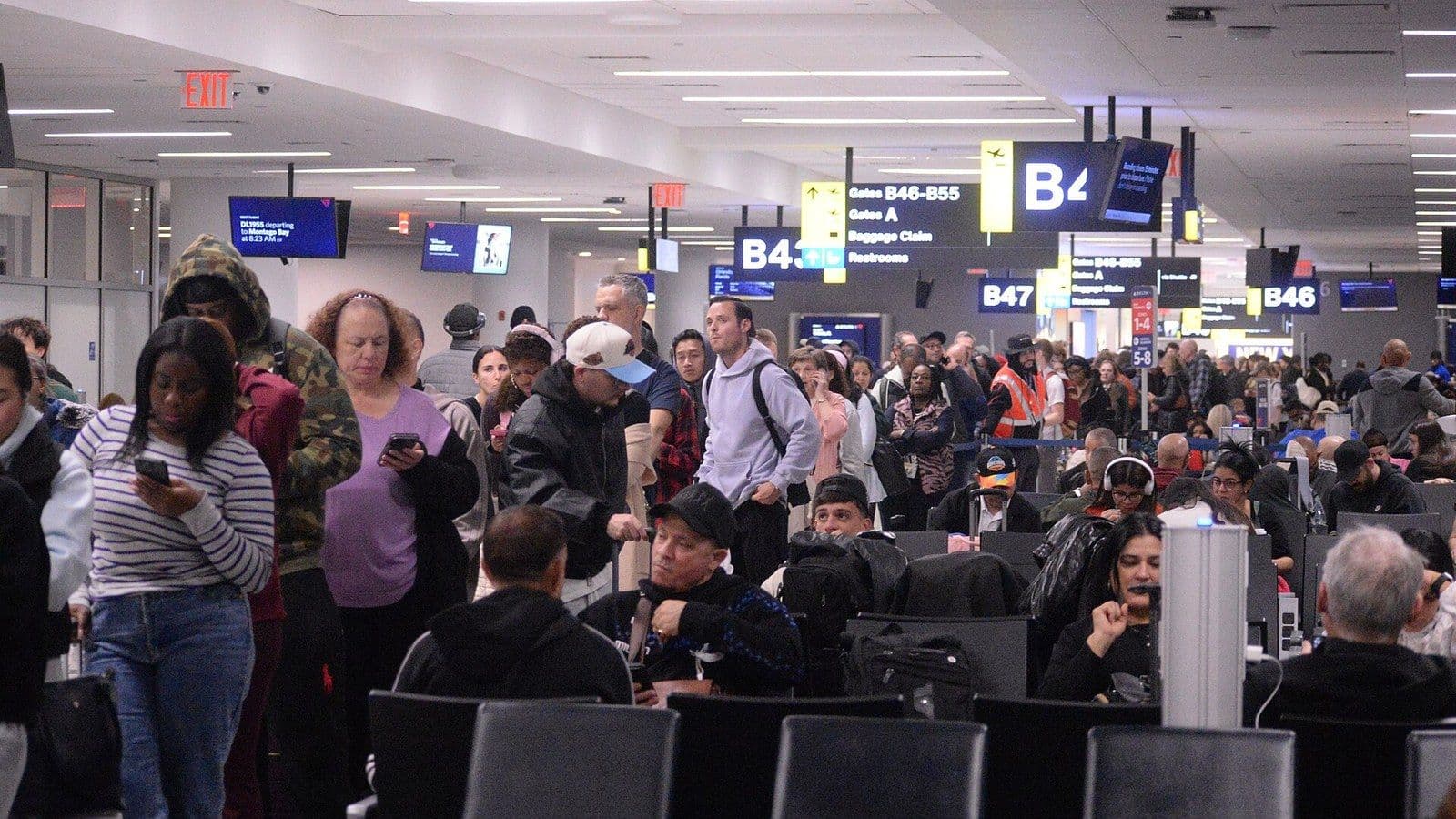
The immediate technical failure may be over, but the operational crisis it triggered is only beginning. Across the United States, airlines are confronting a problem that no software patch can solve overnight: hundreds of aircraft and thousands of crew members are sitting in the wrong cities, and the intricate web of schedules that keeps commercial aviation running has been thrown badly out of alignment. What passengers experienced as a single day of cancellations and delays is, for carriers, the opening act of a far longer and more expensive recovery.
The mechanics of a ground stop are deceptively simple. When a systemic technology failure forces aviation authorities to halt departures, the order freezes aircraft on the ground wherever they happen to be. But an airline's schedule is not a loose collection of independent flights; it is a tightly choreographed rotation in which a given jet is expected to fly a specific sequence of legs, and its crew is legally and contractually limited in how many hours it can operate. Break one link, and the consequences cascade through the network for days. A widebody stranded on the wrong coast cannot simply be teleported to operate its next long-haul rotation, and a cockpit crew that has timed out cannot be replaced by snapping one's fingers.
This is the crux of the warning now emerging from airline operations centers. The grounding itself was disruptive enough, but the recovery is where the real damage accumulates. Aircraft must be repositioned, often through costly and inefficient ferry flights that carry no revenue passengers. Crews must be moved as passengers on other carriers or reassembled into fresh rotations that respect duty-time regulations. Reservations systems, already strained by mass rebooking, must absorb a second wave of changes as the repositioning ripples outward. Each of these steps consumes time, fuel, and money, and none of them can be compressed without running afoul of safety rules that exist for good reason.
The industry implications extend well beyond the balance sheets of the carriers most directly affected. Airports that serve as hubs for the disrupted rotations face congestion as stranded aircraft occupy gates and remote stands, squeezing the parking and turnaround capacity needed to restart normal operations. Regional carriers, which typically operate thinner margins and smaller fleets, are especially exposed, because they have fewer spare aircraft and crew reserves to draw upon when the network fractures. Maintenance schedules also slip, as aircraft that miss planned checks must be slotted back into already-full hangar capacity, a secondary bottleneck that can linger for weeks.
There is also a passenger-trust dimension that airlines cannot afford to ignore. Mass disruptions erode confidence, and the sight of crowded terminals and cancelled boards becomes the defining image of an operational failure, regardless of its technical origins. Carriers know that how they communicate during the recovery matters as much as the recovery itself, and that compensation, rebooking flexibility, and clear information are the currency of goodwill in moments like these. The reputational cost of a chaotic unwind can outlast the memory of the original outage.
It is worth placing this episode in a broader context. Modern aviation depends on an extraordinarily complex stack of interconnected systems, from air traffic management to crew scheduling to passenger service platforms. Redundancy is built in, but redundancy has limits, and single points of failure can still propagate widely when they sit at the center of the network. The lesson for the industry is not merely to harden individual systems but to plan for the operational aftermath of their failure, including the unglamorous work of repositioning assets and people.
Looking ahead, the next several days will be defined by triage. Airlines will prioritize high-demand routes and hub connectivity, accept selective cancellations to stabilize rotations, and lean on spare aircraft where they exist. Passengers should expect residual delays and schedule adjustments even after normal departures resume. The honest outlook is that the skies will reopen before the network fully heals; the ground stop may be a memory, but its shadow will stretch across crew rosters and gate assignments for some time to come.