 Sky
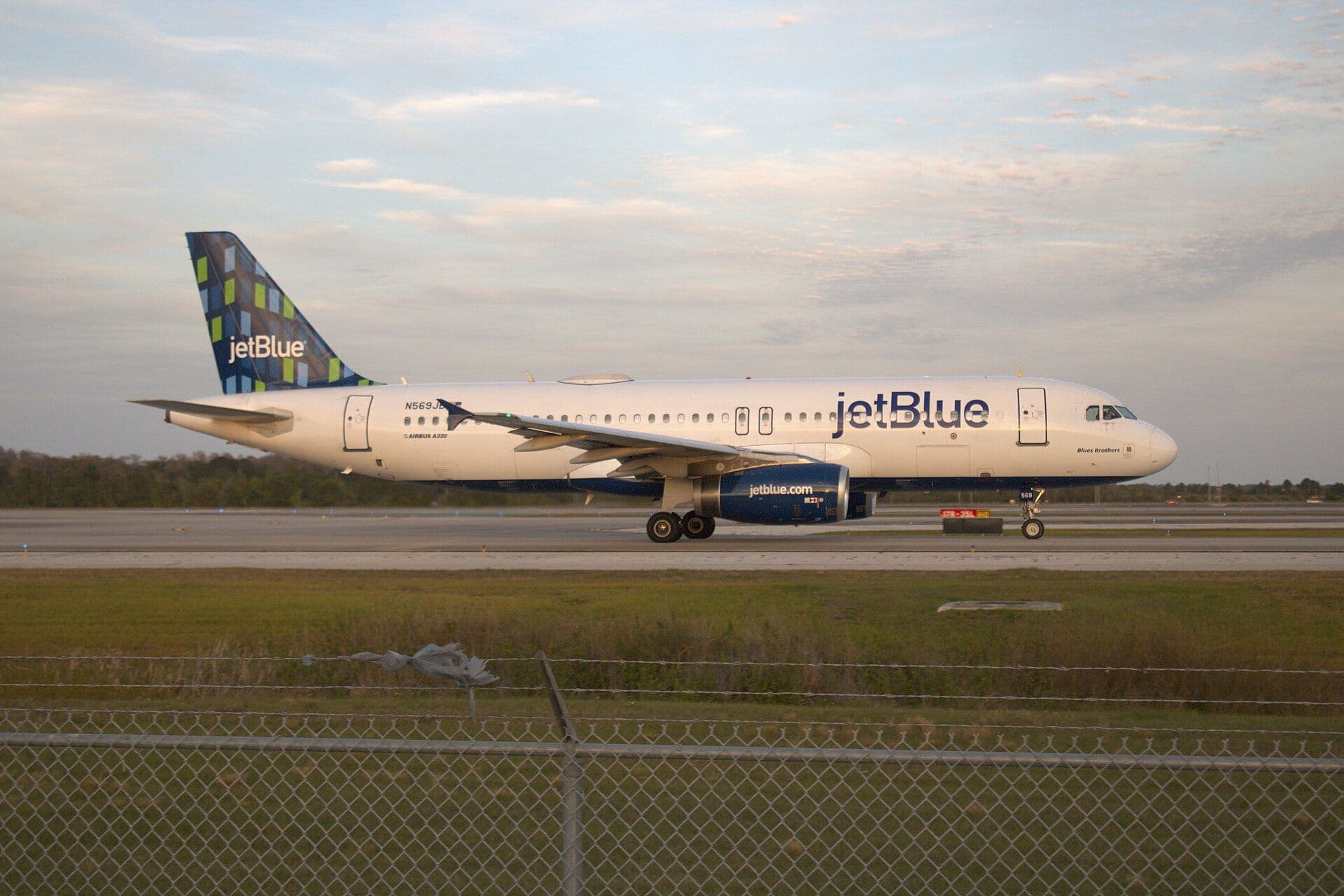
JetBlue's decision to lift its first checked bag fee to $50 marks another milestone in the airline industry's long, uneasy relationship with ancillary revenue. The New York-based carrier's latest adjustment represents a 43% increase over just two years, a pace that outstrips general inflation and lands squarely on travelers already navigating a fare environment that rarely feels transparent. The immediate justification offered is familiar: fuel prices remain elevated and volatile, squeezing operating margins across the global airline sector. But the story is larger than one carrier's pricing sheet.
Background matters here. For more than a decade, US airlines have treated checked baggage as a discretionary revenue stream rather than a bundled service. What began as a modest fee to offset fuel spikes after the 2008 financial crisis hardened into a structural part of the business model. Carriers discovered that passengers would tolerate unbundling if headline fares stayed low, and ancillary revenue became a reliable cushion during downturns. JetBlue, once positioned as a customer-friendly alternative with perks like free checked bags on some fares, has gradually moved toward the industry mainstream. Its latest increase reflects both competitive pressure and the reality that low-cost carriers face the same cost headwinds as legacy rivals.
The mechanics of the change are straightforward. A first checked bag on many JetBlue fares now costs $50, up sharply from prior levels within a two-year window. For a family of four traveling with a single checked bag each, that is a meaningful addition to the total trip cost, one that frequently exceeds the incremental fare difference between carriers. The fee structure also interacts with fare classes, credit card perks, and loyalty status, creating a matrix that rewards frequent flyers and cardholders while penalizing infrequent leisure travelers. That asymmetry is deliberate: airlines want to protect their most valuable customers while extracting maximum revenue from price-sensitive, one-off passengers.
Industry implications extend well beyond JetBlue. Baggage fees are a bellwether for how carriers manage the tension between revenue growth and customer satisfaction. When one major player moves, others watch closely, and competitive dynamics often push fees upward in tandem rather than downward. The global context sharpens the picture: airlines from Europe to Asia-Pacific are contending with fuel costs, labor agreements, and supply chain constraints that keep cost pressure persistent. Ancillary charges offer a lever that can be adjusted quickly without repricing the entire fare grid, making them an attractive tool in a volatile cost environment.
There is also a strategic dimension tied to network and fleet decisions. JetBlue has been reshaping its route map and fleet plans, including aircraft orders and cabin investments, while navigating the fallout from blocked merger ambitions. Every revenue stream matters in that context. Higher bag fees help fund the operational and capital commitments that underpin competitiveness, but they also risk eroding the brand equity JetBlue built on service differentiation. The carrier must balance the two carefully, because leisure travelers are notably sensitive to add-on costs and increasingly adept at comparing total trip prices across platforms.
Consumer advocacy groups have long argued that unbundling obscures the true cost of travel and makes comparison shopping harder. Regulators in several jurisdictions have pushed for clearer disclosure of ancillary charges, and some have proposed rules requiring fees to be included in advertised prices. While the US market has not moved as aggressively as Europe on this front, the direction of travel is toward greater transparency. Airlines that rely heavily on ancillary revenue may face reputational and regulatory headwinds if fees continue climbing faster than inflation.
Looking ahead, the trajectory of bag fees will depend on fuel markets, competitive positioning, and passenger tolerance. If fuel prices ease, carriers may pause increases but are unlikely to reverse them; ancillary revenue has become too embedded in financial planning to unwind. Expect further segmentation instead, with tiered pricing by route, time of booking, and fare class. For travelers, the practical takeaway is to calculate total journey cost rather than headline fare. For the industry, JetBlue's move is a reminder that the ancillary era is not a temporary response to fuel spikes but a permanent feature of airline economics, one that will keep testing the limits of what passengers will accept.