 Sky
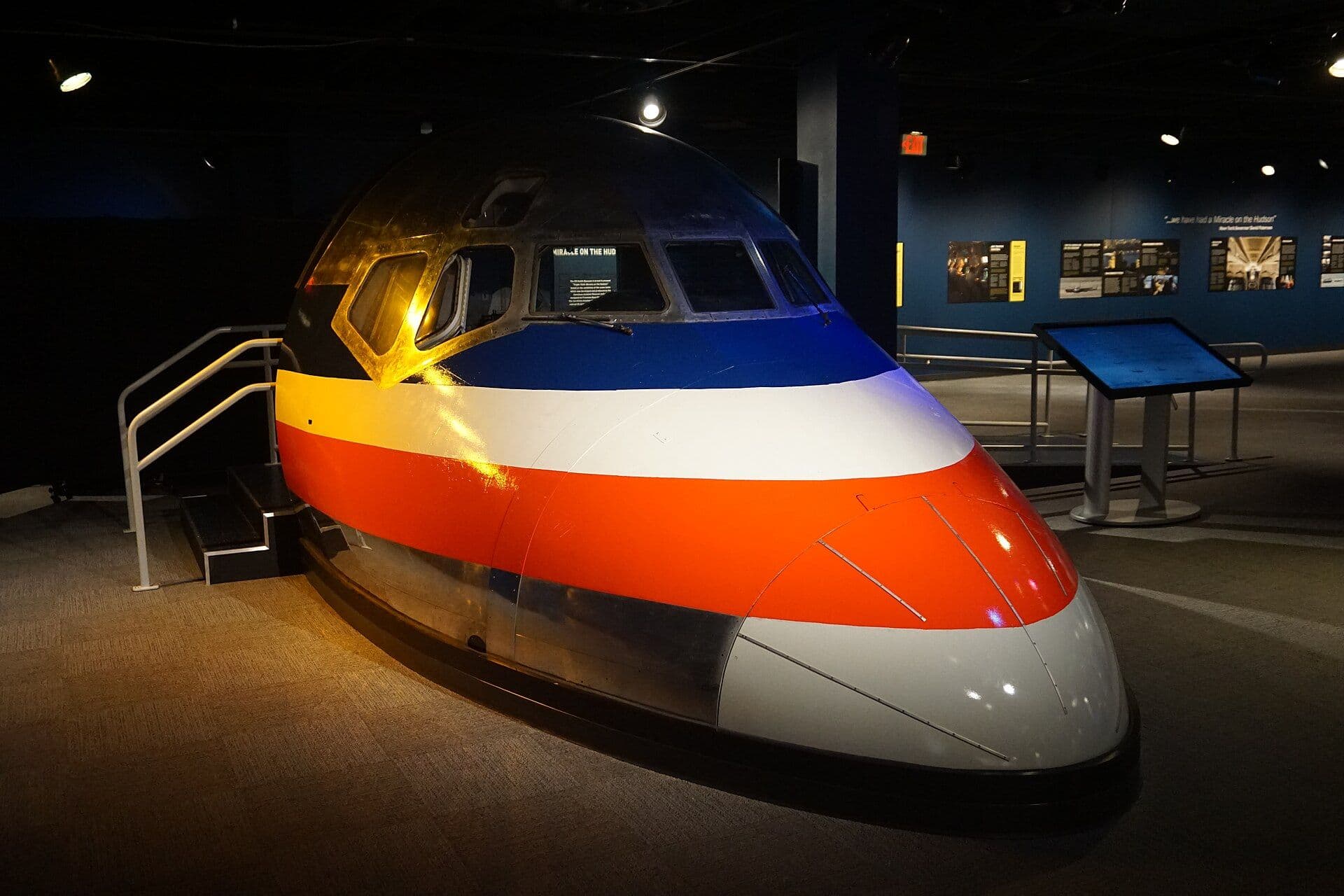
In commercial aviation, the assumption that newer technology inevitably displaces older equipment is one of the industry's most comfortable myths. The story of the McDonnell Douglas MD-80 is a pointed reminder that the market does not always reward the better aircraft — it rewards the aircraft that fits the operational and financial reality of the moment. Long after a purpose-built successor entered service, the MD-80 kept flying, and its persistence says as much about airline economics as it does about engineering.
The MD-80 family grew out of McDonnell Douglas's desire to modernise the successful DC-9 line. Stretching the fuselage, updating avionics and refining systems, the manufacturer produced a twinjet that became a workhorse for airlines seeking capacity and range without the operating costs of widebody equipment. Its rear-mounted engines and T-tail gave it a distinctive silhouette, but more importantly they allowed it to operate efficiently on short- and medium-haul routes where frequency mattered more than per-seat luxury. For carriers building dense domestic networks, the type was close to ideal.
What makes the MD-80's longevity remarkable is that McDonnell Douglas did not stop there. The company developed a successor intended to carry the narrowbody franchise forward, incorporating more advanced technology and addressing the shortcomings that had emerged as the MD-80 aged. On paper, the replacement was the logical next step: a cleaner-sheet design for a market that was beginning to demand better fuel efficiency and lower maintenance burden. Yet the transition never unfolded as planned, and the older jet outlasted the aircraft built to succeed it.
The explanation lies less in aerodynamics than in fleet arithmetic. By the time the successor arrived, airlines had already invested enormous sums in MD-80 fleets. Pilots were trained, maintenance programmes were mature, spares were abundant and route networks had been optimised around the type's characteristics. Introducing a new aircraft means retraining crews, rebuilding maintenance infrastructure, renegotiating leases and absorbing the teething problems that accompany any clean-sheet design. When an airline already owns hundreds of airframes that work, the economic case for wholesale replacement weakens considerably. Fleet size, in other words, became a form of competitive advantage that no amount of technological superiority could easily overcome.
The successor's difficulties compounded the problem. Programme delays, shifting market conditions and the broader consolidation of the American aerospace industry eroded its momentum. McDonnell Douglas itself was absorbed into Boeing, and the priorities of the combined company moved in different directions. The MD-80, meanwhile, continued to do what it had always done: fly reliably on high-frequency routes for carriers that valued dispatch reliability and low acquisition costs over the latest efficiency figures. Operators extended service lives, refurbished cabins and kept the type economically viable well beyond its intended retirement age.
The implications for the industry are instructive. First, aircraft competition is not a pure technology contest. It is a contest of support ecosystems, financing structures and operational familiarity. An aircraft with a large installed base enjoys advantages that are difficult to dislodge: a deep pool of trained pilots, a competitive parts market and established maintenance procedures. Second, manufacturers underestimate the inertia of fleet planning at their peril. Airlines make decisions on decade-long horizons, and a successor must offer not just better performance but a compelling transition path.
There is also a cautionary note about timing. A replacement that arrives too late, or without sufficient customer commitment, can find the market already locked into the incumbent. The MD-80's survival was not a triumph of nostalgia; it was the rational outcome of airlines calculating that the devil they knew was cheaper than the future they were being sold. That logic has echoes in later programmes, where operators have stretched older types rather than commit to new ones during periods of uncertainty.
Looking ahead, the MD-80's story offers a lens for the current wave of re-engined narrowbodies and the emerging generation of clean-sheet designs. Manufacturers now emphasise not only efficiency but also commonality, pilot transition and maintenance continuity — lessons drawn directly from cases like this. The aircraft that wins will not simply be the most advanced; it will be the one that makes the transition easiest for the airlines that must pay for it. The MD-80, long after its replacement was meant to take over, remains a reminder that in aviation, the fleet you already have is a powerful argument in itself.