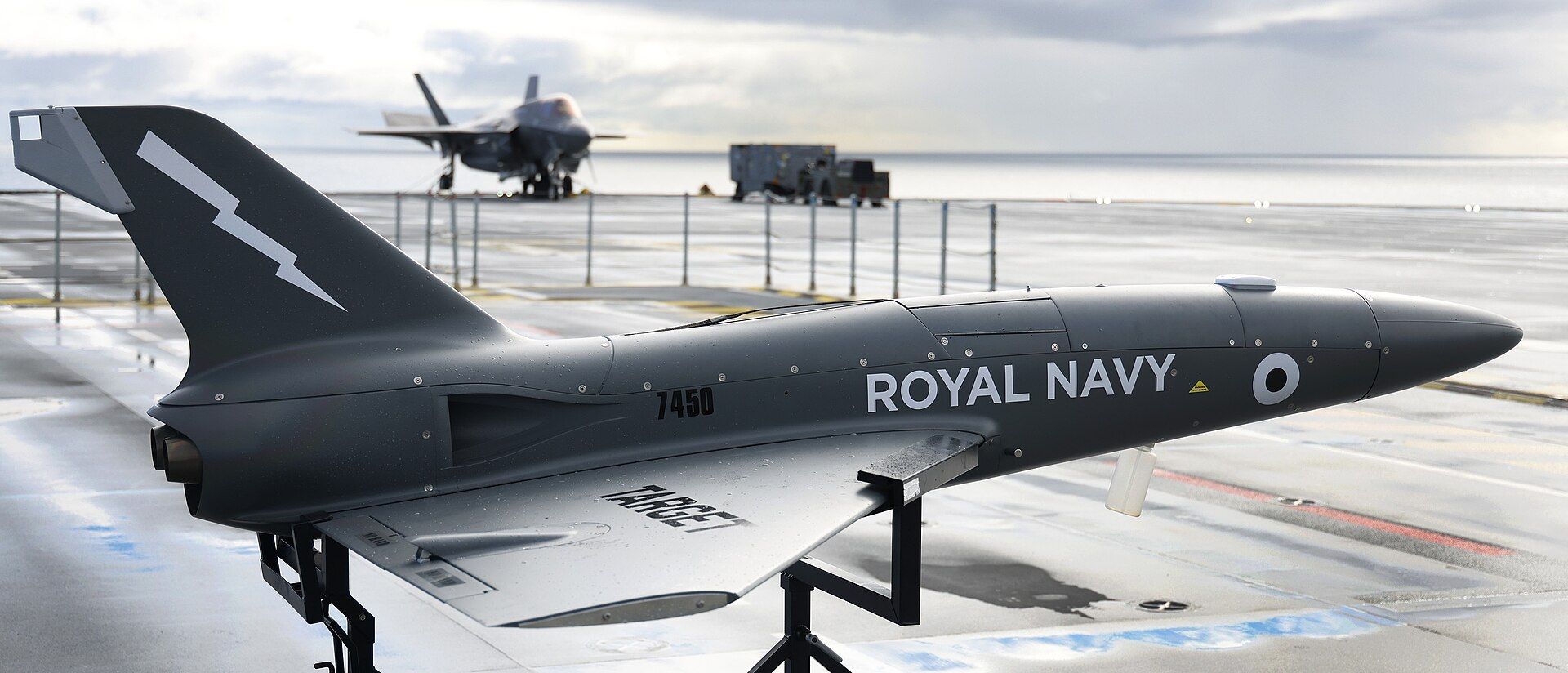
The U.S. Navy's pursuit of carrier-based unmanned aviation has hit a bureaucratic and financial crosswind. At the heart of the storm is the MQ-25 Stingray, the service's first operational carrier-based unmanned aerial vehicle (UAV), designed to provide aerial refueling and extend the strike range of the carrier air wing. Yet, even as the program advances with a recent $562 million contract modification, the Navy faces a multibillion-dollar dilemma: undoing the troubled Electromagnetic Aircraft Launch System (EMALS) on its newest carriers, a move that could siphon funds and focus away from the very drone that promises to revolutionize carrier operations.
The MQ-25, built by Boeing, is a tailhook-equipped drone intended to take over the aerial refueling mission currently performed by F/A-18 Super Hornets. By freeing up Super Hornets for combat roles, the Stingray is expected to significantly boost the reach and endurance of the carrier strike group. The program has been touted as a key pillar of the Navy's future air wing, with plans to eventually integrate additional unmanned capabilities such as intelligence, surveillance, and reconnaissance (ISR) and strike. The recent $562 million award to Boeing is a vote of confidence, funding long-lead items and continued development. However, this investment is dwarfed by the financial quagmire surrounding EMALS.
EMALS, developed by General Atomics, was supposed to be a leap forward from traditional steam catapults, offering smoother acceleration, reduced wear on aircraft, and the ability to launch a wider range of platforms—including drones. But the system has been plagued by reliability issues, cost overruns, and maintenance headaches since its debut on the USS Gerald R. Ford (CVN-78). The Navy has reportedly spent billions on fixes and is now considering reverting to steam catapults on future carriers, a move that would cost billions more and undermine the rationale for the Ford-class design. This potential reversal has profound implications for the MQ-25 and other unmanned systems that rely on EMALS's precise launch parameters.
Industry analysts note that the Navy's carrier dilemma is emblematic of a broader challenge: balancing legacy systems with next-generation technology. The service must modernize its carrier fleet while maintaining readiness, but the EMALS saga has exposed the risks of concurrency—pursuing unproven technology in parallel with platform construction. For the MQ-25, the stakes are particularly high. If EMALS is abandoned or significantly modified, the drone's launch and recovery envelope could be constrained, potentially limiting its payload or operational flexibility. Moreover, the financial drain of EMALS fixes could delay other unmanned programs, such as the planned MQ-25 follow-on and the broader Unmanned Carrier Aviation (UCA) family of systems.
The Navy has consistently defended EMALS, arguing that the system's benefits outweigh its costs and that reliability improvements are underway. Yet, the political and budgetary pressure is mounting. Lawmakers have questioned the return on investment, and some have called for a return to steam catapults, which are proven and cheaper to maintain. Such a move would not only affect the Ford-class but also the follow-on Kennedy-class carriers, potentially forcing redesigns and further cost growth.
For Boeing, the MQ-25 represents a critical win in the unmanned aviation market. The company has invested heavily in the program, and any setback could have ripple effects on its defense portfolio. The drone is also seen as a pathfinder for autonomous operations in the carrier environment, with lessons that could inform future platforms. Thus, the Navy's decision on EMALS will have ramifications far beyond the catapult itself—it will signal the service's commitment to unmanned aviation and its willingness to embrace risk.
Looking ahead, the Navy must navigate a narrow channel. It needs to sustain momentum on the MQ-25 while addressing the EMALS crisis. Possible solutions include incremental upgrades to EMALS to improve reliability, or a hybrid approach that retains electromagnetic launch for drones while using steam for manned aircraft. However, such compromises may add complexity and cost. Alternatively, the Navy could accelerate development of a new launch system, but that would take years and billions more.
In the end, the carrier dilemma is a microcosm of the Pentagon's broader struggle to modernize amid fiscal constraints. The MQ-25's success may hinge on whether the Navy can untangle the EMALS knot without strangling its unmanned ambitions. As the service weighs its options, the world watches to see if the first tailhook drone will indeed have its wings clipped by shipbuilding woes, or if it will soar despite them.
Comments (0)
No comments yet. Be the first to share your thoughts.