 Sky
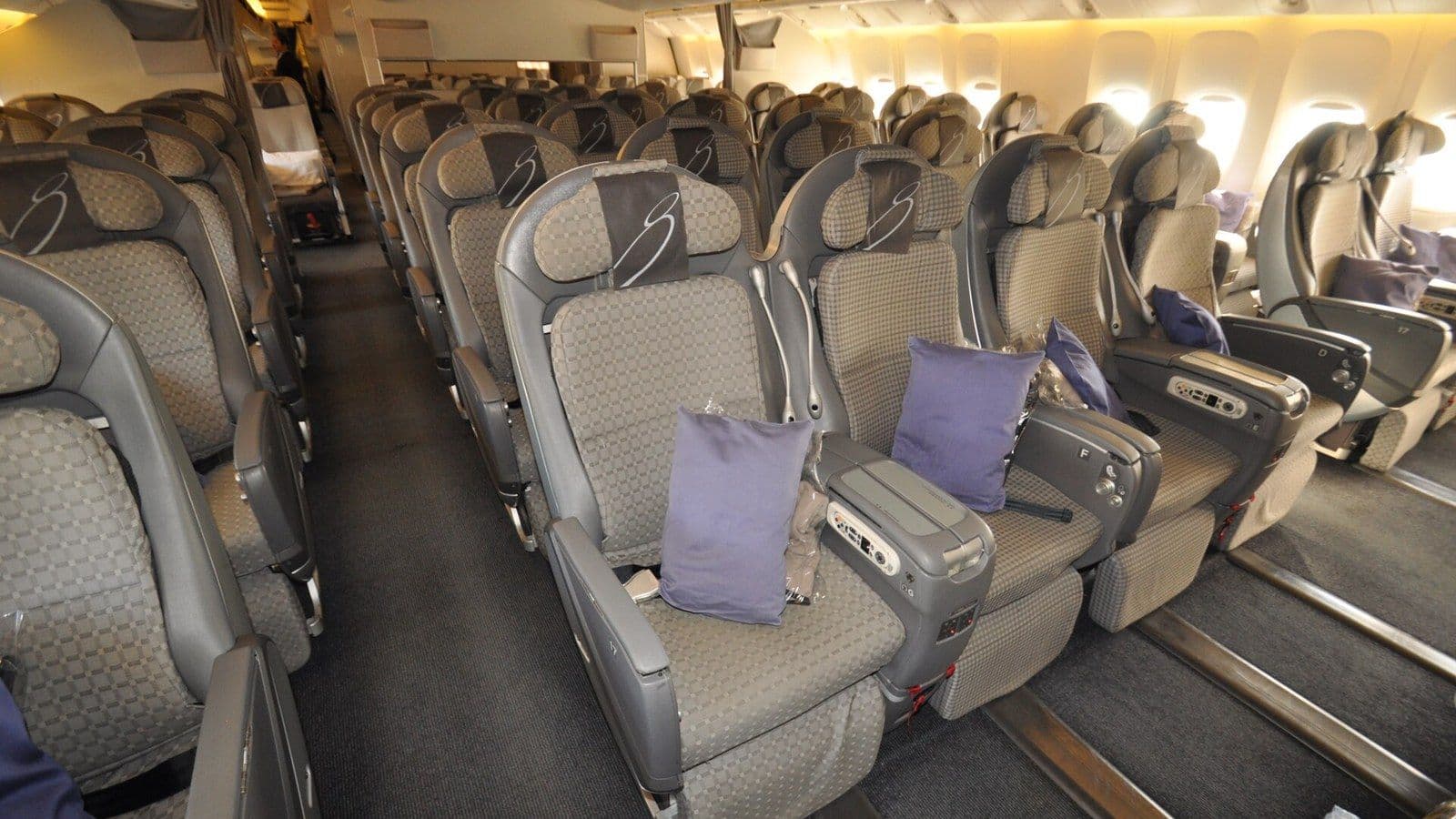
For years, the conventional wisdom among frequent flyers was simple: hoard your points and redeem them only for the front of the cabin. Business class was the aspirational prize, the reward that justified years of credit card spending and loyalty. But as 2026 unfolds, a quieter recalibration is underway across the loyalty landscape. Premium economy award tickets, long treated as an afterthought in redemption strategies, are increasingly looking like the most sensible deployment of a healthy mileage balance.
The shift is rooted in basic economics. Cash fares for premium cabins have climbed sharply since the post-pandemic travel rebound, and airlines have responded by tightening award inventory at the top of the cabin. Business-class saver awards, once findable with patience on many major routes, have become scarcer and more expensive in points terms as carriers refine dynamic pricing models. Meanwhile, premium economy has matured from a niche experiment into a genuine, revenue-generating cabin on long-haul fleets, with dedicated seats, improved catering and priority boarding that make it a credible product rather than a glorified extra-legroom row.
The key facts tell a consistent story. Across major alliance programs, premium economy redemptions typically require a fraction of the miles demanded for business class, often somewhere between a third and a half depending on the carrier and route. On long-haul transatlantic and transpacific services, that gap can translate into tens of thousands of miles saved per passenger. Availability is also generally more generous, because airlines have more premium economy seats to sell and less incentive to guard them as tightly as lie-flat inventory. For families or couples traveling together, the difference between finding two business-class awards and two premium economy awards is often the difference between a trip happening and a trip being postponed indefinitely.
The industry implications are significant. Airlines have invested heavily in premium economy as a revenue bridge between coach and business, and the cabin now occupies a strategic middle ground in fleet configurations. On widebody aircraft from Boeing and Airbus, premium economy sections have expanded, and carriers increasingly view these seats as a loyalty tool as much as a cash product. For frequent flyer programs, encouraging redemptions in premium economy helps airlines manage liability on their points balances while keeping members engaged. From the traveler's perspective, the value proposition is about more than seat width: it is about preserving miles for future trips, avoiding the frustration of phantom award space in business class, and securing a materially better journey than economy without the aspirational premium.
There are caveats worth noting. Not every route offers premium economy, and some carriers price awards in this cabin aggressively enough to erode the advantage. Taxes and carrier-imposed surcharges vary widely by program and can undermine the apparent savings. Travelers should also weigh the opportunity cost of miles against cash fares, since premium economy cash prices fluctuate and promotional fares can occasionally undercut the redemption value. The smartest approach is route-by-route and program-by-program analysis rather than a blanket rule.
Looking ahead, the outlook points toward continued refinement rather than reversal. As business-class award space remains constrained and premium economy inventories grow, the cabin is likely to cement its role as the pragmatic sweet spot for mid-tier and even high-balance loyalty members. Airlines may adjust award pricing to capture more value, but the fundamental math, fewer miles, better availability and a genuinely comfortable long-haul experience, is unlikely to change soon. For flyers sitting on substantial mileage balances in 2026, the quiet advice is increasingly clear: the smartest redemption may not be the flashiest one.