 Sky
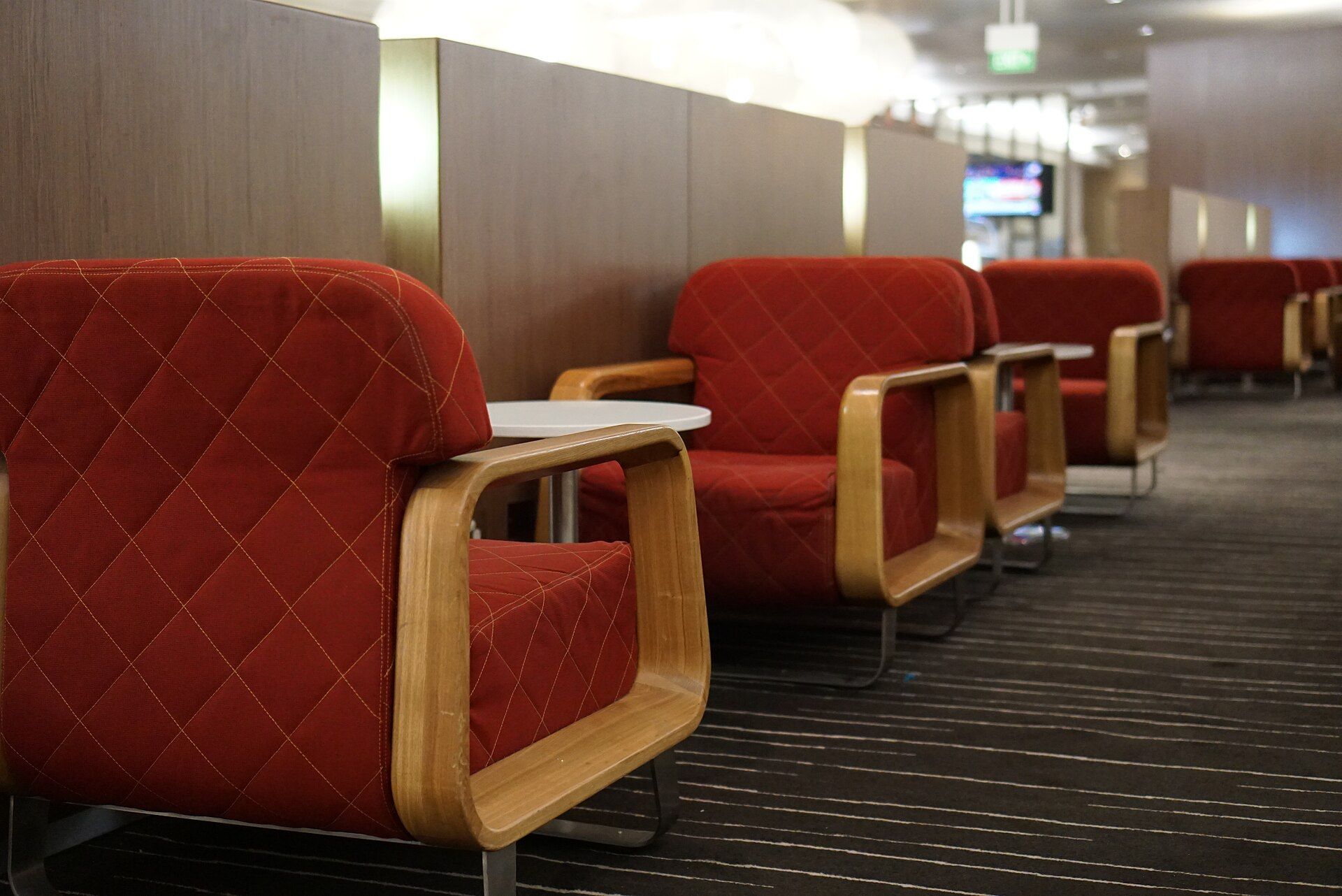
Qantas has built a reputation on distance. From its Sydney and Melbourne hubs, the Australian flag carrier pushes non-stop flying to the edge of what modern airframes can achieve, linking the east coast of Australia with London, Los Angeles, Dallas, Singapore and beyond. For premium travellers, the prize on these ultra-long sectors is the first class cabin, a small, exclusive space that commands some of the highest fares in commercial aviation. But what does a seat at the front of a Qantas long-haul flight actually cost, and what does that money buy? Understanding the answer requires context about the routes, the aircraft and the economics that shape premium pricing.
The background matters because Qantas does not offer first class across its entire network. The cabin is confined to a subset of its long-haul fleet, principally the Airbus A380, which the airline has retained and progressively returned to service on high-value routes. On the Boeing 787 Dreamliner, which increasingly carries the ultra-long-haul burden, Qantas offers business class as its top cabin rather than a true first class product. That distinction is central to the pricing story: the routes most associated with record-breaking distance are not always the routes that carry a first class seat. Where first class does appear, it is typically on trunk routes with strong premium demand, such as Sydney to Los Angeles or Melbourne to London via Singapore, where corporate traffic, high-yield leisure travellers and frequent flyers converge.
The key facts are straightforward but revealing. Qantas first class is a genuinely scarce product. The A380 carries only a small number of first suites relative to the overall cabin count, and the airline has invested in refurbishing them with larger beds, improved privacy and upgraded finishes. Scarcity, combined with the sheer length of the flights, drives fares upward. Published cash prices for first class on Qantas long-haul sectors routinely run into five figures in Australian dollars, and on peak dates or one-way itineraries the figure can climb higher still. Award pricing tells a parallel story: a first class redemption on a long-haul route demands a substantial number of frequent flyer points plus carrier charges, reflecting the cabin's position at the apex of the airline's premium hierarchy.
What the fare buys extends beyond the seat itself. On the ground, first class passengers access premium lounges, including Qantas's flagship first lounges in Sydney and Melbourne, with dining, spa treatments and dedicated service. On board, the experience includes elevated catering, premium wines, amenity kits and a crew-to-passenger ratio that allows genuinely personalised service across flights that can exceed fifteen hours. On a sector of that duration, the value proposition shifts: space, sleep quality and service consistency become functional necessities rather than indulgences, and that is precisely how airlines justify the price.
The industry implications are significant. Ultra-long-haul flying is expensive to operate, and premium cabins are where the margins live. Qantas's strategy of concentrating first class on selected high-yield routes, while deploying the 787 with business class as the top product on thinner or newer long-haul city pairs, reflects a broader industry trend: carriers are becoming more surgical about where they offer a true first class cabin. The forthcoming Project Sunrise non-stop flights from Australia's east coast to London and New York will test this calculus further. Those missions, flown by specially configured Airbus A350 aircraft, are expected to feature a premium-heavy layout, and the question of whether they include a first class product, and at what price, will shape how the market values the very longest journeys.
The outlook is one of continued polarisation. First class is not disappearing, but it is consolidating onto routes where demand and yields justify it. For Qantas, the cabin remains a halo product that anchors its premium brand and rewards its most loyal customers, even as the airline expands long-haul capacity with aircraft that top out at business class. Travellers should expect first class fares on the longest Qantas flights to remain firmly in the luxury bracket, with award availability scarce and cash prices resistant to discounting. The seat at the very front will stay expensive because, on a fifteen-hour flight, it is selling something increasingly rare: space, privacy and time itself.
Comments (0)
No comments yet. Be the first to share your thoughts.