 Sky
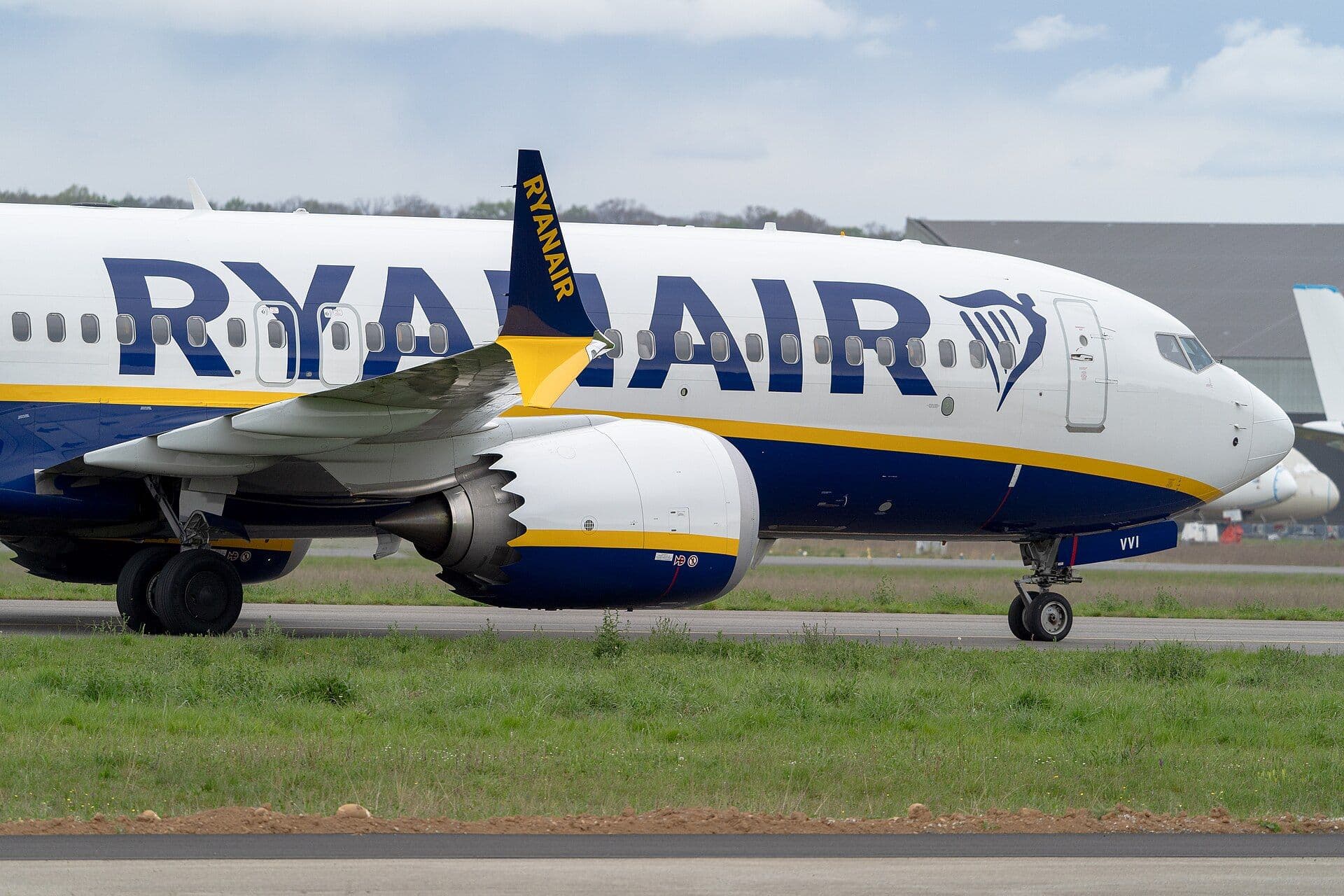
Ryanair is one of the most profitable airlines in the world, and it flies exactly one aircraft family. That is not a coincidence. For more than three decades the Dublin-based carrier has built its business model around a single type — the Boeing 737 — and the discipline of that choice explains as much about its margins as its famously low fares or its ancillary revenue machine. But the strategy is also a concentration risk, and with a colossal order for up to 300 Boeing 737 MAX aircraft on the books, the airline's monogamy is being tested as never before.
The logic of a single-type fleet is well understood in aviation economics. One aircraft family means one set of spare parts, one maintenance programme, one pilot pool and one training pipeline. For Ryanair, which operates a point-to-point network of short sectors across Europe, the operational simplicity translates into lower unit costs, faster turnarounds and greater scheduling flexibility. When a crew can fly any aircraft in the fleet and a mechanic can service any airframe with the same tooling, the airline strips out layers of complexity that competitors carrying mixed Airbus and Boeing fleets must absorb.
The benefits extend to the simulator hall. Training infrastructure is expensive, and a single-type operator can concentrate its investment in a small number of full-flight simulators rather than duplicating capability across two manufacturers. That matters for a carrier that trains and recurrently checks thousands of pilots a year, and it matters even more during growth phases when new entrants must be brought up to speed quickly. Ryanair's simulator fleet, aligned exclusively to the 737, is a quiet but significant competitive asset.
Yet the strategy carries an obvious vulnerability: delivery risk. By tying its entire growth plan to one manufacturer, Ryanair exposes itself to Boeing's production cycles, certification timelines and industrial health. The MAX grounding between 2019 and 2020 illustrated the danger starkly, forcing the airline to trim schedules and defer growth while the type was grounded worldwide. More recently, Boeing's manufacturing and quality-control troubles have again delayed deliveries, prompting Ryanair to warn of capacity shortfalls and adjust its traffic expectations. An airline with a mixed fleet can hedge; a single-type operator cannot.
That vulnerability is amplified by the scale of Ryanair's commitment. The carrier's order for up to 300 737 MAX aircraft — one of the largest single orders in European aviation history — is a bet that Boeing can deliver on time and on spec, and that the MAX's economics will underpin Ryanair's next decade of expansion. The aircraft offers lower fuel burn and more seats than the older 737 NG it replaces, which fits neatly with Ryanair's relentless focus on cost per passenger. But the order also locks the airline into Boeing's fortunes at a moment when the manufacturer is under intense scrutiny.
The industry implications are considerable. Ryanair's scale gives it outsized leverage in negotiations, and its willingness to commit to a single type has historically secured favourable pricing and priority in the delivery queue. That relationship is mutually reinforcing: Boeing gains a marquee launch customer, and Ryanair gains a cost base rivals struggle to match. Competitors pursuing mixed fleets, or those betting on Airbus, watch Ryanair's delivery schedule as a barometer of European short-haul capacity. When Ryanair sneezes on fleet planning, airport slot coordinators and lessors take notice.
There is also a strategic dimension in the low-cost arena. Rivals such as easyJet have built their models around Airbus, creating a duopoly of single-type operators in Europe. This split means the continent's budget carriers are effectively aligned to two different supply chains, each with its own risks and advantages. Ryanair's unwavering loyalty to Boeing has become part of its identity — a signal to investors that it will not be distracted by fleet complexity, even when the manufacturer stumbles.
Looking ahead, the question is whether that loyalty remains a strength. If Boeing stabilises production and delivers the MAX in volume, Ryanair will be well positioned to grow capacity, retire older NGs and press its cost advantage. If delays persist, the airline may be forced to extend older airframes, moderate growth or, for the first time in its history, seriously contemplate a second type. For now, the single-type obsession remains central to Ryanair's formula. The 300-aircraft gamble is simply that formula scaled to its logical extreme — and few airlines are better equipped to make it pay.