 Sky
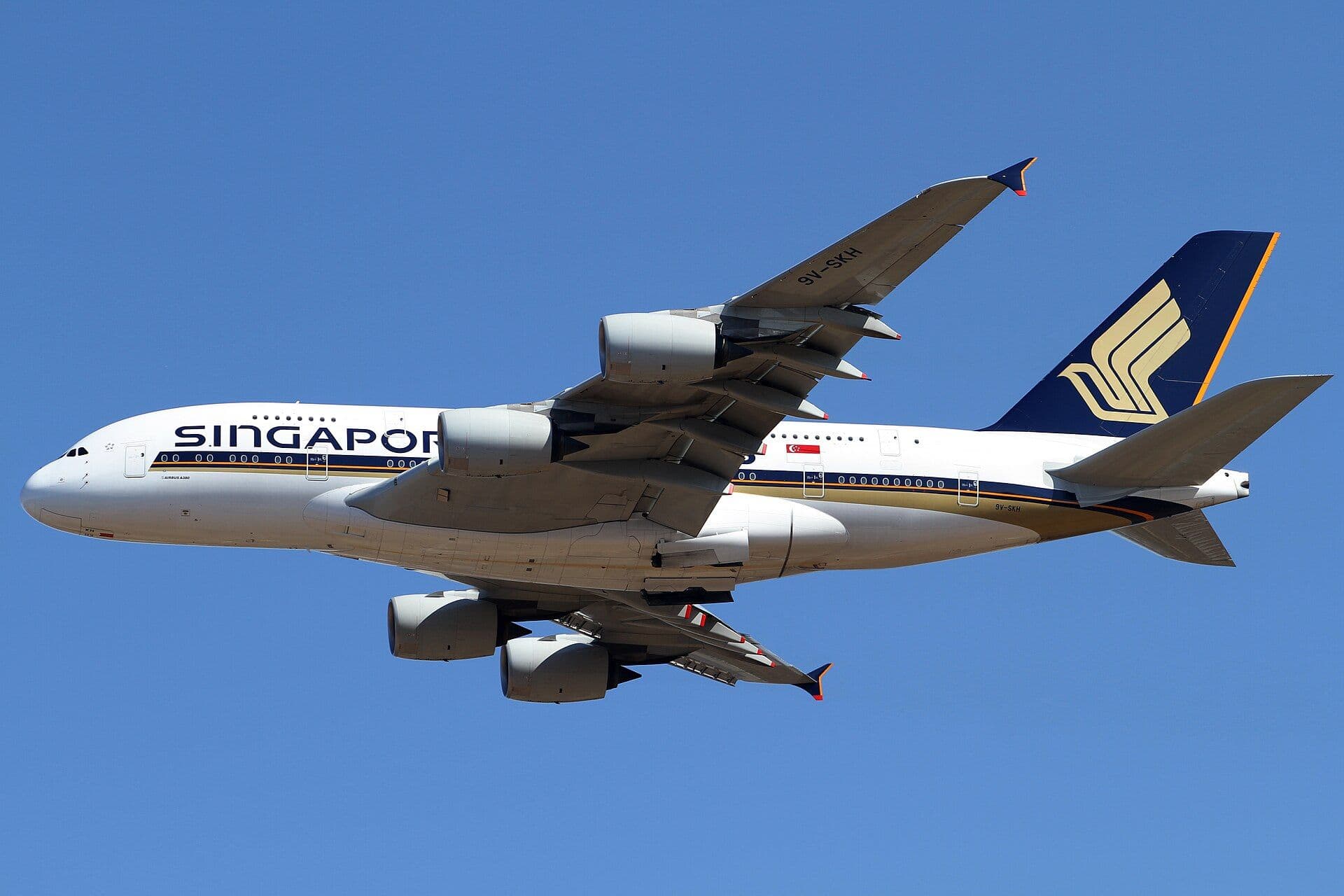
Singapore Airlines has never been a carrier content to follow the pack. For decades its premium cabins have served as a benchmark against which rivals from the Gulf, Europe and East Asia are measured, and its latest reveal for the Boeing 777-9 suggests the airline intends to keep that reputation firmly intact. The carrier has taken the wraps off an all-new First and Business Class product designed specifically for the 777-9, a widebody that has faced years of delays but remains central to long-haul fleet planning across the industry.
The headline claim is bold: Singapore Airlines says the new First Class suite will feature the largest double bed in commercial aviation. That assertion will draw scrutiny from competitors, but it also signals the strategic direction the airline is taking. Rather than treating First Class as a shrinking niche, Singapore appears to be doubling down, positioning the cabin as a genuinely differentiated, residential-style experience at the very top of its inventory. The double bed concept builds on the carrier's existing double-bed arrangements in its A380 and 777-300ER suites, but scales the proposition up in a way that is clearly intended to be a marketing and product statement as much as a comfort upgrade.
Background matters here. The 777-9 is the largest variant of Boeing's 777X family, an aircraft that has accumulated a lengthy and troubled development history. Entry into service has slipped repeatedly, and airlines that committed to the type years ago have had to recalibrate cabin designs, route plans and delivery expectations. For Singapore Airlines, the delay has an unexpected upside: more time to design a cabin unconstrained by earlier assumptions. Launching a flagship interior now, with the aircraft's arrival in sight, allows the carrier to bake in lessons from its A380 and A350 products and to respond to a premium market that has shifted markedly since the 777X was first ordered.
On the Business Class side, the reveal points to a substantial reworking rather than a cosmetic refresh. Singapore has been moving toward greater privacy and more consistent seat-to-bed transitions across its fleet, and the 777-9 cabin is expected to reflect that evolution with suites that offer improved enclosure, storage and direct aisle access. In a competitive landscape where carriers such as Qatar Airways, ANA and Delta have pushed business-class privacy to new levels, Singapore cannot afford to stand still, and the new cabin is best read as a direct competitive response.
Industry implications extend beyond one airline. Premium cabin design has become a genuine battleground on ultra-long-haul routes, where the difference between a flat bed and a private suite can determine corporate contracts and high-yield leisure bookings. Singapore's move raises the bar for 777-9 operators, including Emirates, Lufthansa and British Airways, all of which are preparing their own interiors for the type. It also underscores a broader trend: as aircraft deliveries remain constrained, airlines are extracting more value from each premium square metre, using cabin innovation to justify fares in a market where capacity discipline has kept long-haul yields relatively firm.
There are caveats. The 777-9's certification path remains the single biggest variable, and no cabin design can generate revenue until the aircraft is delivered and flying. Singapore Airlines has wisely avoided tying the reveal to a precise service-entry date, and the industry will watch closely for how quickly the product reaches routes. Operational realities, from crew familiarisation to airport and lounge integration, will determine how smoothly the new experience is rolled out.
Outlook: Singapore Airlines has again set an ambitious marker. If the 777-9 arrives without further significant slippage, the carrier will have a flagship cabin that reinforces its premium positioning for the rest of the decade. The larger question is whether rivals can match the double-bed proposition, or whether Singapore has opened a gap in the most exclusive end of the market that will take years to close. For passengers, the message is clear: the race for the world's best premium cabin is far from over.