 Sky
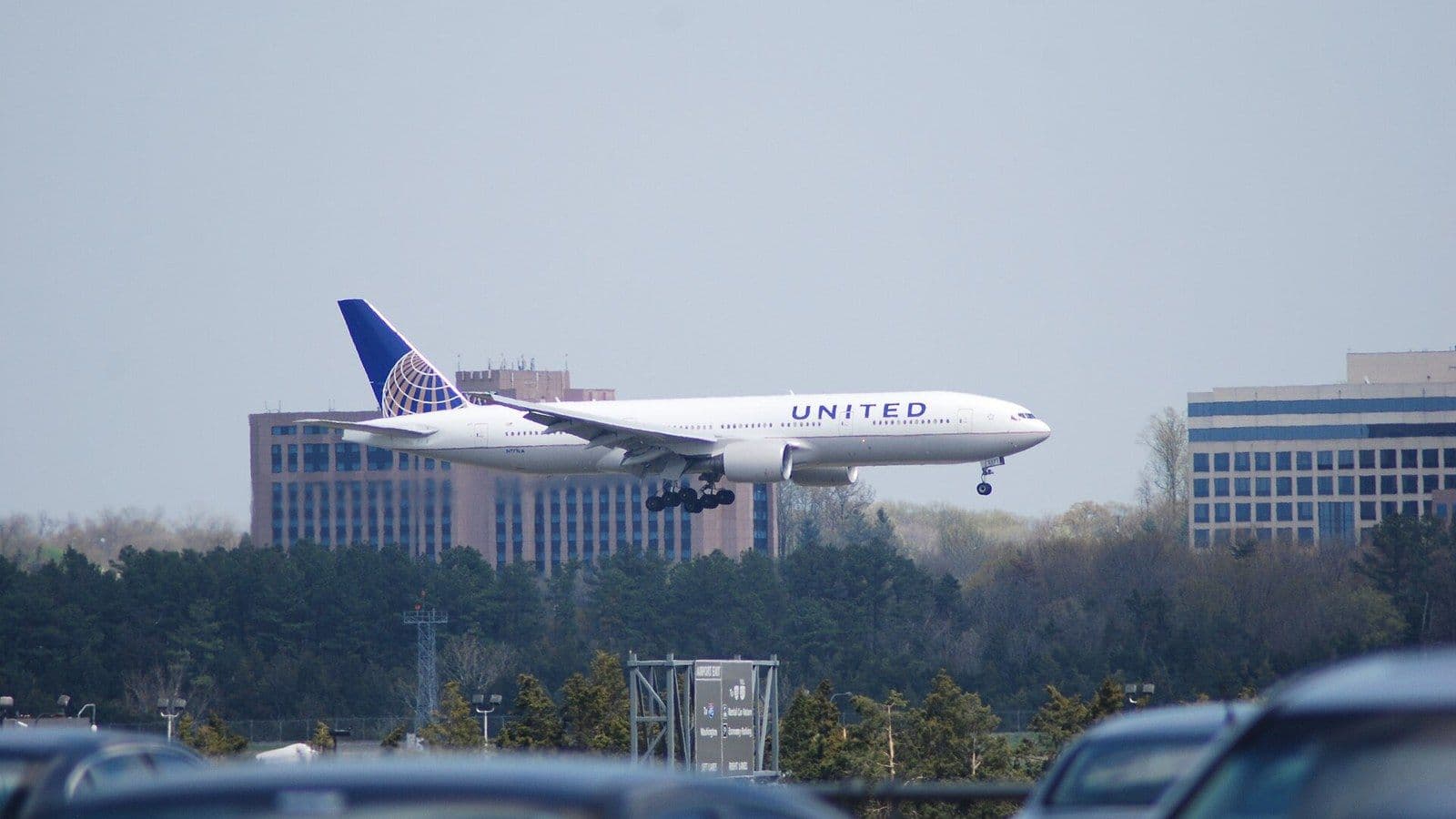
United Airlines has long been one of the world's most committed Boeing 777 operators, and its 2026 schedule makes clear that the older -200 and -200ER variants remain far more than legacy assets awaiting replacement. While attention often gravitates toward newer flagships and the carrier's incoming widebody orders, the 777-200 family continues to anchor some of United's most strategically important routes. An examination of the most frequently operated 777-200 city pairings in 2026 reveals a network built around three pillars: transatlantic services to Europe, high-volume leisure flying to Hawaii, and dense domestic trunk routes connecting United's major hubs.
The background here matters. United was the launch customer for the Boeing 777 in the mid-1990s, and its relationship with the type stretches back to the original 777-200A. Over the decades, the airline built a substantial fleet of both the baseline -200 and the extended-range -200ER, the latter becoming the workhorse for long, thin transatlantic and Pacific missions. Many of these airframes have since been reconfigured, with premium-heavy cabins and updated interiors that keep them competitive on high-yield routes. The 777-200ER in particular offers a combination of range, capacity and economics that few aircraft can match on the missions United assigns it, which is precisely why it endures in the 2026 timetable rather than being parked.
The key facts of the 2026 schedule point to a fleet deployed where demand density justifies a widebody. On the European side, United's most frequent 777-200/ER pairings link its hubs to major continental gateways, reflecting the strength of transatlantic demand and the carrier's joint venture partnerships. These are routes where a large, comfortable twin-aisle aircraft can be filled year-round, and where frequency itself is a competitive weapon against European and other US rivals. To Hawaii, the 777-200 serves as a people-mover on high-capacity leisure corridors, where the aircraft's seat count and cargo capability shine on relatively short overwater sectors. And domestically, the type appears on inter-hub trunk routes, ferrying passengers between United's major connecting complexes and repositioning aircraft efficiently within the network.
The industry implications are significant. First, United's continued reliance on the 777-200 family underscores a broader reality: the global widebody fleet is aging, and airlines are sweating existing assets harder as delivery slots for new aircraft remain constrained. With Boeing's production and certification challenges delaying new widebody arrivals, and with demand for long-haul travel holding strong, operators have strong incentives to keep capable older twins flying. The 777-200ER, with its proven reliability and parts commonality, is an attractive candidate for life extension.
Second, the schedule reveals how United thinks about capacity allocation. By concentrating 777-200 flying on a relatively small number of high-frequency city pairs, the airline maximizes aircraft utilization and simplifies crew and maintenance logistics, while reserving newer or more premium-configured aircraft for routes where product differentiation matters most. This is classic network economics: match the right aircraft to the right mission, and let frequency do the marketing.
Third, the Hawaii and domestic trunk deployments highlight the 777-200's versatility. The same airframe that crosses the Atlantic can, on a different day, haul vacationers to the islands or connect Denver and Chicago. That flexibility is a strategic asset in a network as complex as United's, allowing the carrier to respond to seasonal demand shifts without wholesale schedule surgery.
Looking ahead, the outlook is one of managed transition. United has orders and plans that will eventually bring newer, more efficient widebodies into the fold, and the 777-200 fleet will gradually cede its most prominent roles. But 2026 is unlikely to be a year of retreat. As long as transatlantic demand remains robust, Hawaii leisure traffic stays strong, and inter-hub connectivity drives the network, the 777-200 and -200ER will remain visible and vital. For passengers, that means continued access to a spacious, well-known cabin on some of United's most important routes; for the industry, it is a reminder that fleet strategy is as much about timing and economics as it is about the newest metal.