 Sky
Sky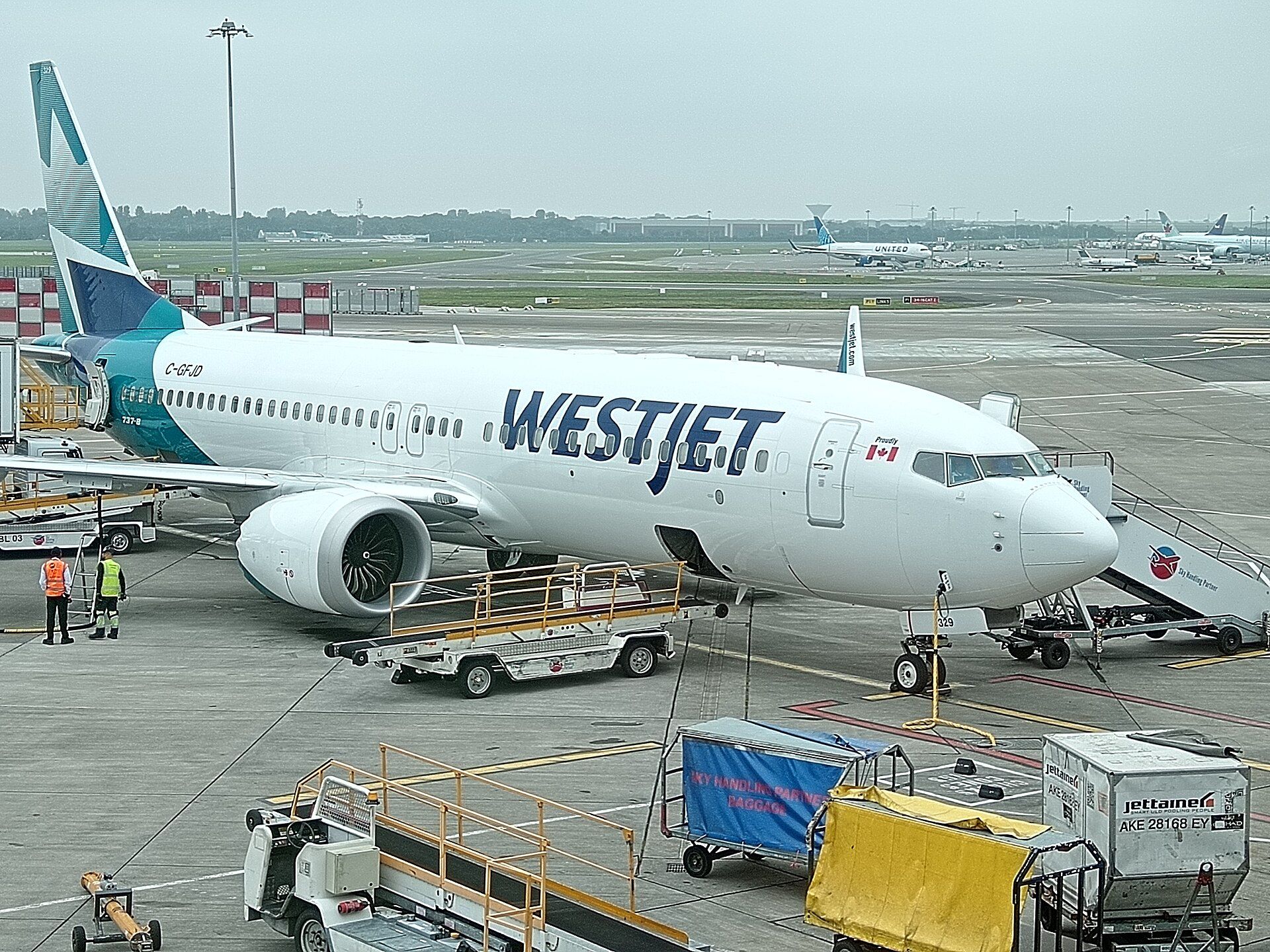
In an era where every gallon of jet fuel counts—both for airline bottom lines and environmental sustainability—a recent incident at Seattle-Tacoma International Airport (SEA) has thrust the issue of prolonged taxi times into the spotlight. A WestJet captain took to social media to highlight a startling statistic: his Boeing 737 burned 800 pounds of fuel simply taxiing from the gate to the runway. The post, which quickly gained traction among aviation professionals, underscores a growing frustration with airport infrastructure that struggles to keep pace with demand.
Seattle-Tacoma International Airport, a major gateway for both domestic and international traffic, has long been known for its congestion. The airport operates two parallel runways and a third crosswind runway, but capacity is often stretched thin, especially during peak hours. Taxi times of 20 to 30 minutes are not uncommon, and on particularly busy days, crews can find themselves waiting upwards of 45 minutes to reach the active runway. For airlines, this translates into significant fuel burn, increased emissions, and delayed arrivals that ripple across the network.
The WestJet incident occurred on a routine flight, but the captain’s decision to speak out reflects a broader unease. According to the post, the crew had already requested additional fuel before departure, anticipating the lengthy taxi. Even so, the 800 pounds (approximately 120 gallons) consumed during the ground movement was enough to raise eyebrows. To put that in perspective, 800 pounds of jet fuel is roughly enough to power a 737 for about 10 minutes of cruise flight—or, in economic terms, around $400 at current prices. While that may seem minor for a single flight, multiplied across thousands of departures each year, the costs—both financial and environmental—become staggering.
Industry analysts point to several factors exacerbating the problem at SEA. The airport is undergoing a massive $4.2 billion expansion project, dubbed the SEA Gateway Project, which aims to add gates, improve taxiways, and enhance passenger amenities. However, construction has temporarily reduced available taxi routes and added to ground delays. Additionally, the airport’s location between two major highways and its limited land footprint make expansion challenging. Airlines have also increased flight frequencies to meet post-pandemic travel demand, further straining the system.
For pilots, long taxi times are more than an inconvenience; they are a safety and operational concern. Extended ground operations increase the risk of engine wear, brake overheating, and crew fatigue. They also complicate fuel planning, as dispatchers must account for unpredictable taxi times when calculating required fuel loads. In some cases, crews may opt to carry extra fuel, which adds weight and further increases consumption—a vicious cycle.
WestJet, like many carriers, has been vocal about the need for airport improvements. The airline operates a significant number of flights from SEA, connecting Canadian cities to the Pacific Northwest and beyond. A spokesperson for WestJet acknowledged the challenges but emphasized that the airline continues to work with the airport authority to find solutions. “We are committed to reducing our environmental footprint, and efficient ground operations are a key part of that,” the spokesperson said. “We support ongoing efforts to modernize SEA’s infrastructure.”
The Port of Seattle, which oversees the airport, has implemented several measures to mitigate taxi delays, including the use of advanced surface surveillance systems and collaborative decision-making tools that better sequence departures. Nonetheless, the captain’s viral post serves as a reminder that technology alone cannot overcome physical constraints. The airport’s master plan includes new taxiways and a third runway, but these are years away from completion.
Looking ahead, the aviation industry is watching Seattle closely. As airports worldwide grapple with similar congestion issues, the lessons from SEA could inform strategies for optimizing ground movements. Some airlines are experimenting with single-engine taxiing, where one engine is shut down during taxi to save fuel, though this practice is limited by aircraft weight and weather conditions. Others are investing in electric tugs and alternative ground propulsion systems. But for now, the reality is that long taxi times remain a costly inefficiency.
The WestJet captain’s candid critique is a call to action. It highlights the need for airports, airlines, and regulators to collaborate on solutions that reduce fuel burn, lower emissions, and improve the passenger experience. As air travel continues to rebound, the pressure to address these ground-level challenges will only intensify. For Seattle-Tacoma International Airport, the runway to efficiency is clear—but it’s a long taxi ahead.
Comments (0)
No comments yet. Be the first to share your thoughts.