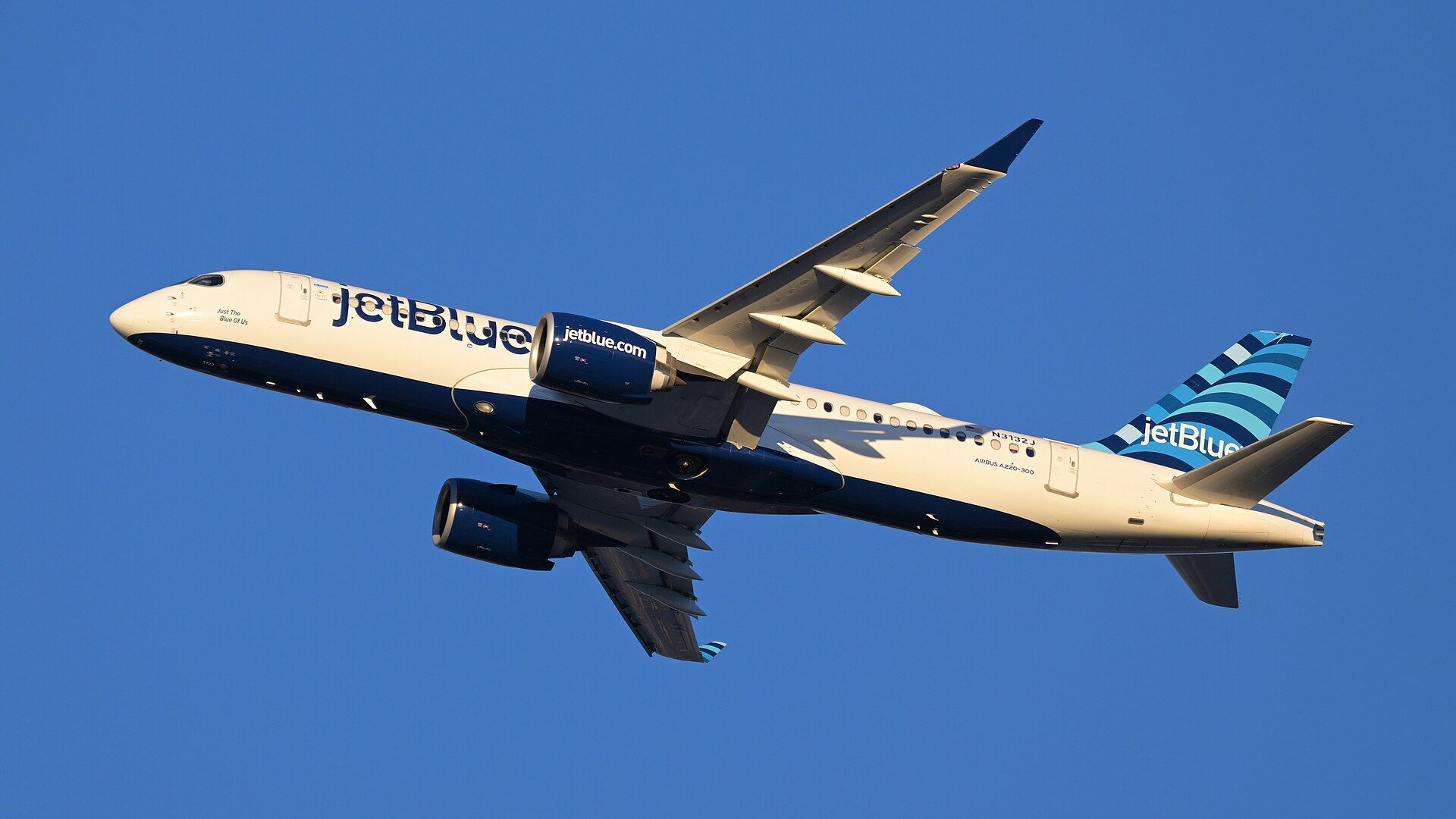
The regional jet market has become a two-horse race between Airbus and Embraer, with the A220-300 and E195-E2 representing the pinnacle of narrowbody efficiency. Both aircraft promise dramatic reductions in fuel burn and operating costs compared to the aging CRJs and Embraer E-Jets they replace. But as airlines weigh fleet decisions, a critical question emerges: which one actually costs less to fly? The answer, according to industry analysis, is nuanced: the A220-300 wins on cost per seat, while the E195-E2 wins on cost per trip. The deciding factor often comes down to route length and load factor.
Background: The A220, originally designed by Bombardier as the CSeries, entered service in 2016 and was later acquired by Airbus, which rebranded it as the A220-100 and A220-300. The larger -300 model seats 130-160 passengers in a typical two-class layout. Embraer, meanwhile, launched the E195-E2 in 2019 as the largest member of its E-Jets E2 family, with a capacity of 120-146 passengers. Both aircraft feature cutting-edge aerodynamics, fly-by-wire controls, and geared turbofan engines—Pratt & Whitney PW1500G for the A220 and PW1900G for the E195-E2—delivering double-digit fuel savings over previous generations.
Key facts: The A220-300’s advantage in cost per seat stems from its wider fuselage and higher seating capacity. In a typical configuration, the A220-300 can accommodate 140-160 seats, whereas the E195-E2 maxes out around 146 seats in a single-class layout. That extra capacity spreads fixed costs—such as crew salaries, landing fees, and maintenance—over more passengers, reducing the unit cost. Industry data suggests the A220-300’s cost per seat is roughly 10-15% lower than the E195-E2’s on comparable missions. However, the E195-E2’s lower trip cost is equally significant. Because it is a smaller, lighter aircraft, it burns less fuel per flight and incurs lower takeoff and landing fees. This makes it more economical on thin routes where demand does not justify a larger aircraft.
Route length plays a pivotal role. On short-haul routes (under 500 nautical miles), the E195-E2’s lower trip cost often outweighs its higher seat-mile cost, especially if the aircraft can be filled. On longer routes (over 1,000 nautical miles), the A220-300’s superior range and higher seat count allow it to spread costs more effectively, making it the cheaper option per available seat mile (CASM). Load factor is the other wild card. If an airline can consistently fill a 140-seat A220-300, its cost per seat advantage becomes decisive. But if demand is weak, the E195-E2’s ability to break even at lower passenger numbers makes it the safer bet.
Industry implications: The cost dynamics are shaping fleet strategies. Airlines like Delta and Air Canada have embraced the A220 for its seat-mile economics on medium-haul routes, while operators such as Azul and Porter Airlines have chosen the E195-E2 for its flexibility on shorter, thinner routes. The competition is also intensifying as both manufacturers push for orders in emerging markets. For lessors, the A220’s higher residual value and commonality with Airbus’s broader family are attractive, while the E195-E2’s lower acquisition cost and operational flexibility appeal to cost-conscious carriers. Moreover, the ongoing push for sustainability favors both aircraft, but the A220’s slightly better fuel efficiency per seat gives it an edge in environmental metrics.
Outlook: The battle will not be won solely on cost. Airbus and Embraer are continually refining their offerings. Airbus is exploring a larger A220-500 variant that could further improve seat-mile economics, while Embraer is enhancing the E195-E2’s range and payload. Ultimately, the choice between the two depends on an airline’s network profile and demand patterns. As regional travel rebounds post-pandemic, the winner will be the aircraft that best matches the mission—and that means both jets will continue to find their niches. For now, the A220-300 remains the cost-per-seat champion, but the E195-E2’s cost-per-trip advantage ensures it remains a formidable competitor.
Comments (0)
No comments yet. Be the first to share your thoughts.