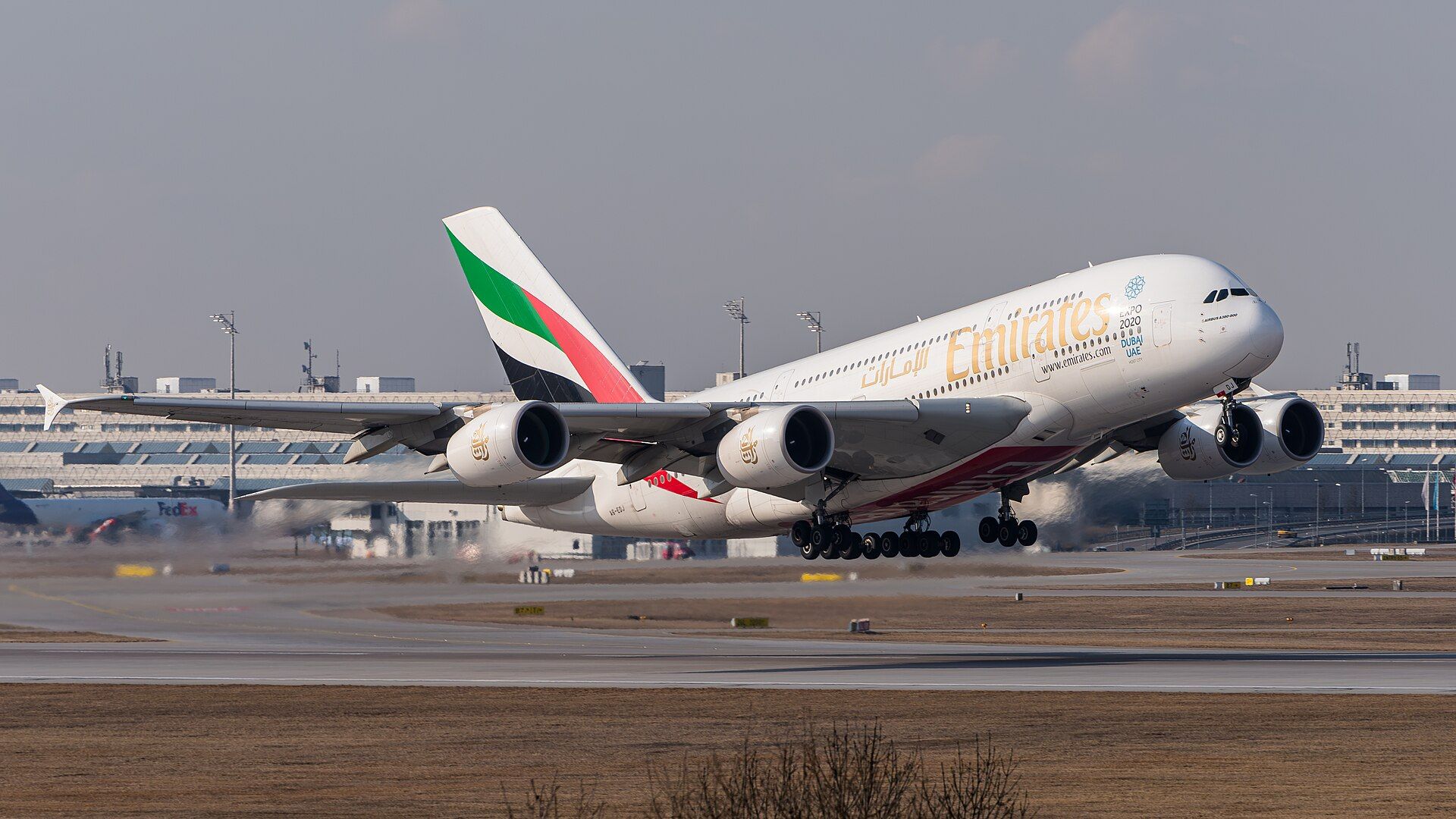
For nearly two decades, the Airbus A380 stood as the most visible symbol of long-haul ambition. The double-decker, four-engine giant could carry more than 500 passengers in typical layouts and became a favourite of passengers and planespotters alike. Yet the very qualities that made it iconic—its immense capacity and four-engine configuration—are the reasons it has fallen out of step with the economics of modern commercial aviation. The aircraft now widely seen as its natural successor is not another four-engine behemoth, but the Boeing 777X, a twin-engine widebody that reflects a very different set of industry priorities.
The A380 was conceived in an era when hub-and-spoke networks dominated and airport slot constraints at major gateways made moving as many passengers as possible on a single flight attractive. Airbus bet that congestion at hubs such as London Heathrow, Dubai, and Singapore would only intensify, favouring the largest possible aircraft. That bet paid off handsomely for a handful of operators, notably Emirates, which built its entire long-haul strategy around the type. But the broader market moved in the opposite direction. Advances in engine technology, particularly the arrival of efficient high-bypass turbofans, transformed the economics of twin-engine aircraft. Regulatory changes such as ETOPS extensions allowed twins to fly ever-longer routes over water and remote regions, eroding the operational advantage that four engines once provided.
The result was a decisive shift toward frequency over capacity. Airlines found that passengers generally prefer more departure choices spread across the day rather than a single massive flight, and that two smaller aircraft can generate more revenue than one very large one while offering greater scheduling flexibility. Point-to-point routes between secondary cities also proliferated, bypassing the mega-hubs the A380 was designed to serve. Airbus ultimately conceded the trend, ending A380 production in 2021 after delivering just 251 aircraft—a modest figure for a program of its scale and cost.
The Boeing 777X occupies the space the A380 vacated, but on fundamentally different terms. Built on the proven 777 platform, it features a composite wing, folding wingtips that allow it to use existing airport gates, and the GE9X, the most powerful commercial turbofan ever built. With seating typically in the 400-plus range depending on configuration and airline, it delivers much of the capacity airlines once sought from the A380 while burning substantially less fuel per seat. That efficiency gap is the crux of the succession story: in an industry where fuel is one of the largest operating costs, a twin-engine aircraft with modern aerodynamics and engines can undercut a four-engine predecessor on the same mission.
The implications extend well beyond a single aircraft comparison. Airports that invested in A380-ready infrastructure—widened taxiways, reinforced pavements, and double-deck boarding bridges—must now plan for a fleet mix centred on efficient twins. Manufacturers have consolidated around this logic, with Boeing positioning the 777X as a bridge between the 787 Dreamliner and whatever comes next, while Airbus counters with the A350 family. For airlines, the calculus is stark: capacity growth is now pursued through frequency and network breadth rather than sheer aircraft size. Even Emirates, the A380's most devoted customer, has ordered 777X variants to anchor its future fleet.
The transition has not been entirely smooth. The 777X program has faced repeated delays, with certification and entry into service slipping by several years, leaving a gap that the older 777-300ER and A350 have partly filled. Some analysts also question whether the very largest widebodies remain necessary at all, given that the 787 and A350 can serve many of the same routes with even lower trip costs. Still, for high-density long-haul missions where slot access is limited and demand is reliably strong, the 777X represents the most credible large-capacity option available.
Looking ahead, the A380's retirement marks the end of an era defined by scale, but not the end of large aircraft. The successor model is simply more efficient, more flexible, and better matched to a market that rewards frequency, fuel economy, and network agility. The 777X is unlikely to inspire the same affection as the double-decker it effectively replaces, but it embodies the pragmatism now driving long-haul aviation. For airlines, airports, and passengers alike, the lesson is clear: in the modern widebody era, efficiency—not size—wins.
Comments (0)
No comments yet. Be the first to share your thoughts.