 Sky
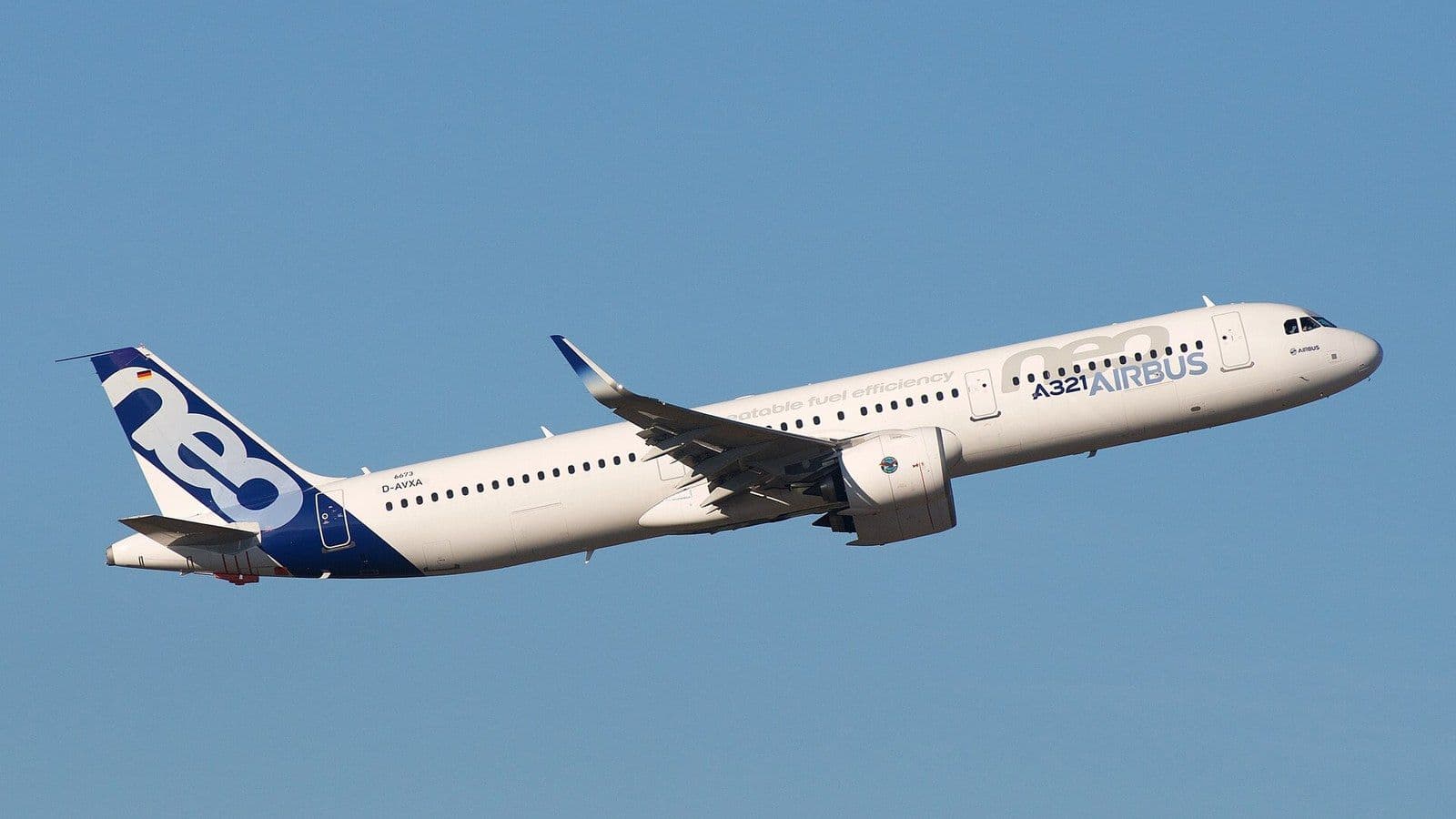
For decades, the transatlantic market was the near-exclusive preserve of widebody aircraft. The Boeing 747, 767, 777 and Airbus A330 and A350 defined the experience of flying between Europe and North America, and the economics of those aircraft dictated which city pairs could sustain nonstop service. That orthodoxy is now being steadily rewritten, and 2026 marks a notable milestone in the process. European carriers are deploying the Airbus A321LR and its longer-legged sibling, the A321XLR, on a growing roster of nonstop US routes, and the results are reshaping how airlines think about the Atlantic.
The background to this shift is well established. Airbus designed the A321neo family to offer widebody-rivalling range in a narrowbody package, and the Long Range variant pushed the type's capability beyond 4,000 nautical miles. The XLR extends that further still, with additional fuel capacity that allows routes previously considered marginal or unviable for a single-aisle jet. For airlines, the appeal is straightforward: the economics of a narrowbody on thinner routes, where a widebody would fly half empty, can transform a loss-making city pair into a profitable one. Lower trip costs, reduced risk on new routes, and the ability to match capacity to demand more precisely are powerful arguments.
The two most instructive case studies in Europe are Iberia and Aer Lingus, and the contrast between them is what makes the story worth watching. Both operate the A321LR on transatlantic missions, and both are adding the XLR to their fleets, but they are pursuing markedly different strategies. Iberia, part of the IAG group alongside British Airways and Aer Lingus itself, has leaned into the aircraft as a tool for connecting Spain with the United States, using the jet's range and efficiency to serve routes that would struggle to justify a widebody. The Spanish carrier's geography gives it a natural advantage: Madrid sits well positioned for both North American and Latin American connections, and the narrowbody allows Iberia to feed its hub with point-to-point US services that complement rather than cannibalise its long-haul widebody network.
Aer Lingus, by contrast, has built its transatlantic identity around a different model. The Irish carrier has long specialised in connecting North America with Ireland and, through Dublin's pre-clearance facilities, with the rest of Europe. Its A321LR and XLR operations are tightly woven into that strategy, serving US cities where the narrowbody's economics make nonstop service viable and where Dublin's geographic position shortens the crossing. The result is a network that looks quite different from Iberia's, even though the aircraft on the ramp are broadly the same.
The industry implications extend well beyond these two airlines. The narrowbody transatlantic trend lowers the barrier to entry for new routes and new carriers, and it puts pressure on established widebody operators to justify their capacity. It also raises questions about the passenger experience: a single-aisle jet on a seven- or eight-hour crossing is a different proposition from a widebody, particularly in premium cabins, and airlines are investing accordingly in lie-flat business seats and improved economy products to keep the offering competitive. Airports, too, are affected, as secondary and regional gateways gain nonstop access to North America that they previously lacked.
There are limits, of course. The A321LR and XLR cannot match a widebody on cargo capacity or on the very highest-demand routes, and there remain city pairs where the larger aircraft is simply the right tool. Fuel price volatility and the durability of transatlantic demand will also shape how aggressively carriers push the narrowbody model. Boeing's response, including the proposed 737 MAX 7 and the longer-range MAX variants, will add further competitive tension.
Looking ahead, the direction of travel is clear. The A321LR and XLR are not a niche experiment but a structural change in how the Atlantic is served. In 2026, with Iberia and Aer Lingus demonstrating two distinct playbooks, the rest of the industry will be watching closely. The carriers that master the narrowbody transatlantic model, matching aircraft to route economics with discipline, are likely to find themselves with a durable advantage in one of the world's most contested aviation markets.