 Sky
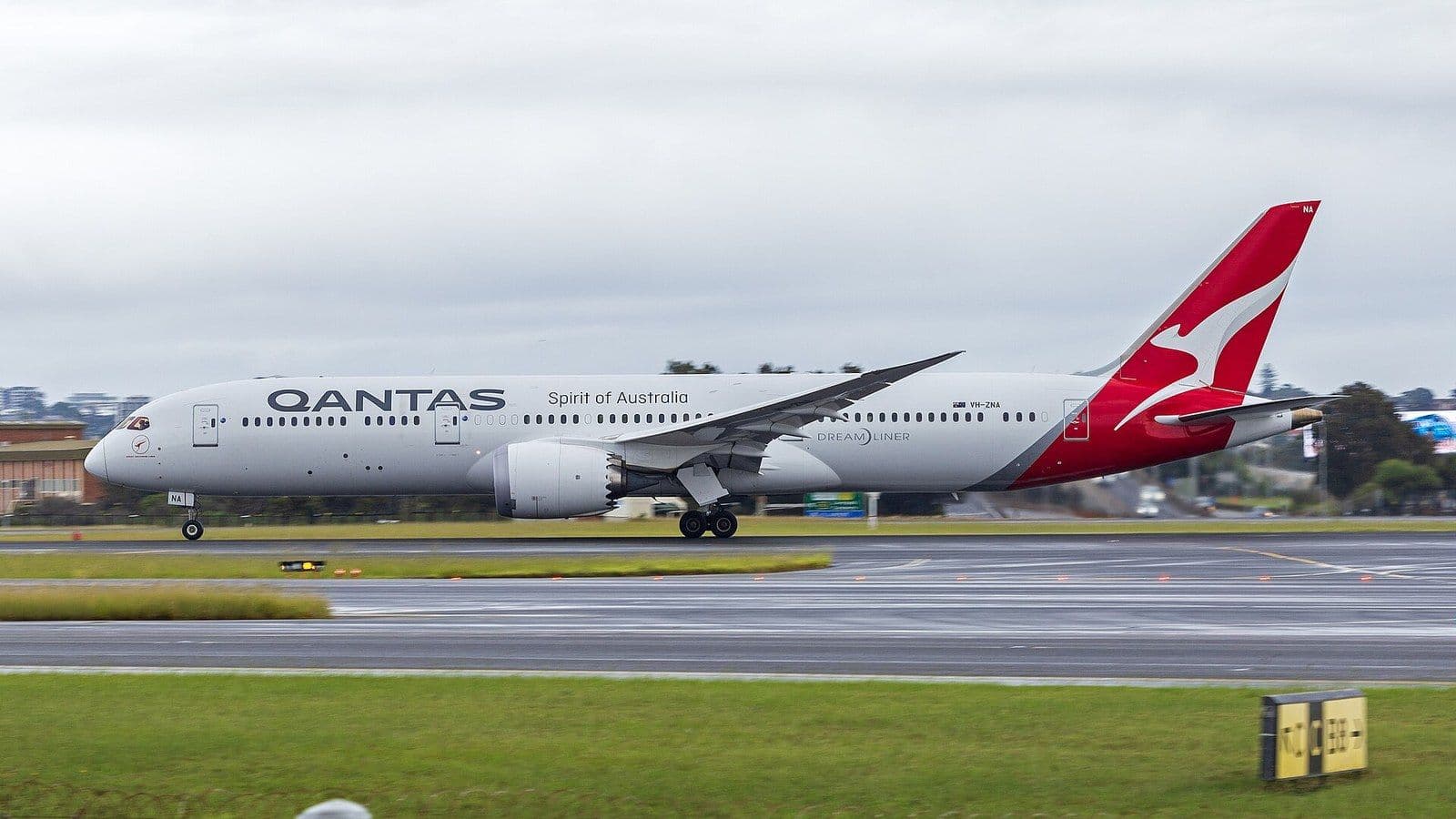
When Qantas flight QF21 lifted off from Melbourne on a scheduled long-haul service to Dallas-Fort Worth, few passengers could have anticipated that their journey would end roughly eight and a half hours later at the very airport where it began. The Boeing 787 Dreamliner, one of the most fuel-efficient widebodies in the Australian flag carrier's fleet, climbed out over Victoria and set course across the Pacific before evidence emerged that components had detached from the aircraft during its departure. Rather than continuing toward Texas, the crew elected to return to Melbourne, where the jet was taken out of service for inspection and repair.
The sequence of events is a familiar one in commercial aviation, even if the outcome is rare. During the climb-out phase, debris was shed from the aircraft and later recovered on or near the runway environment, prompting authorities and the airline to examine exactly which parts had separated and why. Qantas has characterised the diversion as a precautionary measure taken once the evidence of detachment became clear, and the aircraft was subsequently grounded pending engineering checks. No injuries were reported among the passengers and crew, and the airline moved to reaccommodate travellers on alternative services.
The most striking element of the incident is the duration of the flight to nowhere. An eight-and-a-half-hour sortie that returns to its origin is not a trivial matter: it consumes tens of thousands of litres of fuel, occupies a valuable widebody airframe and crew for the better part of a working day, and imposes significant disruption on passengers expecting to reach the United States. It also reflects a conservative safety culture. When crews cannot be certain that a departing aircraft is structurally intact, the calculus favours returning to a maintenance base with full engineering capability rather than pressing on to a distant destination where the aircraft might be stranded and repairs more difficult to arrange.
For Qantas, the episode lands at an awkward moment. The airline has invested heavily in its long-haul international network, positioning Melbourne and Sydney as gateways to North America and leaning on the 787 as the backbone of those routes. Any suggestion of inspection lapses or maintenance shortfalls carries reputational weight, particularly given the intense scrutiny Australian carriers have faced over operational reliability and customer service in recent years. The carrier will be keen to demonstrate that the event was an isolated technical issue rather than a systemic problem, and that its engineering processes caught the defect before it could escalate into something more serious.
For Boeing, the incident is another data point in a long-running conversation about quality assurance on its commercial programmes. The 787 has a strong safety record in service, but the broader aerospace manufacturing ecosystem has been under the microscope since a series of high-profile defects and production concerns at various suppliers. Debris shedding on takeoff can stem from a range of causes, from panel or fairing fasteners working loose to components in the landing gear or flap track mechanisms. Until investigators and the manufacturer identify the specific origin, it would be premature to draw sweeping conclusions about the type. Nonetheless, regulators and operators will be watching closely for any airworthiness directive or fleet-wide inspection recommendation that might follow.
From an operational standpoint, the incident underscores the value of airport surveillance and post-departure debris reporting. Runway inspections and reports from following aircraft frequently provide the first indication that something has come adrift, and the prompt transmission of that information to the crew is what allows a timely decision to return. In this case, the coordination between air traffic control, the airport and the airline appears to have functioned as intended, converting what could have been a prolonged and potentially hazardous trans-Pacific diversion into a controlled return to base.
Looking ahead, the focus will shift to the engineering findings. Qantas will want a clear root-cause explanation before returning the airframe to service, and the relevant safety authorities are likely to review the maintenance history of the aircraft and any recent work performed on the affected areas. Passengers, meanwhile, will be watching how the airline handles compensation and communication after a journey that lasted more than eight hours and delivered them back to their starting point. The episode is a reminder that in long-haul aviation, the most important destination is always a safe one, and that a flight to nowhere is sometimes the right call.