 Sky
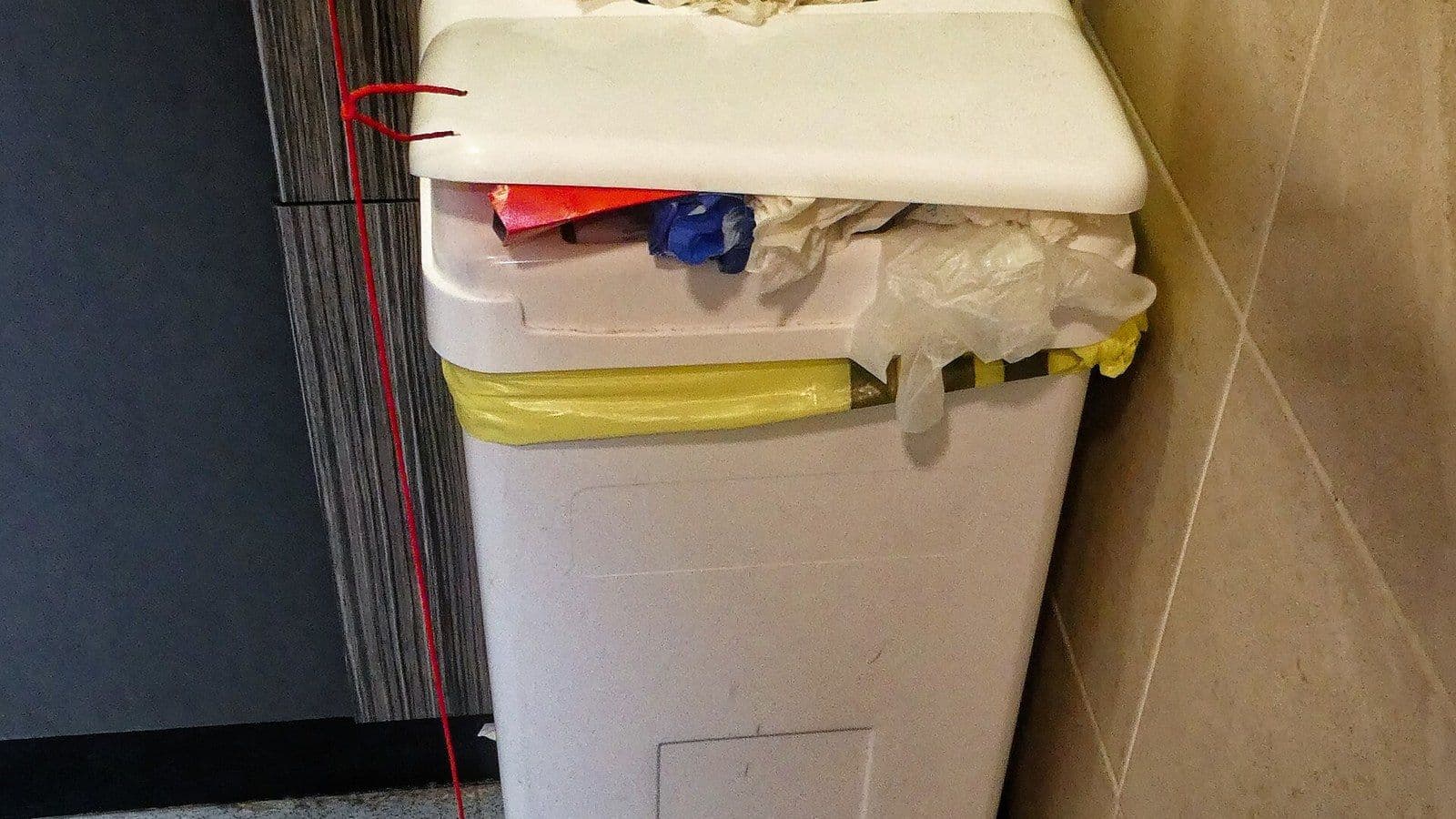
Long-haul flying is an exercise in redundancy. Twin engines, multiple hydraulic systems, backup power sources and duplicated avionics all exist so that a single failure never becomes a catastrophe. Yet every so often, an aircraft is grounded by something far more mundane than an engine surge or a pressurization fault. That was the case for an American Airlines widebody bound for Buenos Aires, whose overnight journey from the United States ended not in Argentina but back where it started, after one of the aircraft's lavatories overflowed.
The flight was scheduled as a roughly ten-hour trek southbound, crossing the equator and delivering passengers to Ezeiza International Airport outside Buenos Aires in the morning local time. Instead, crew members confronted a plumbing problem that could not be ignored. When a lavatory overflows, the consequences extend well beyond a soggy patch of carpet. Lavatory waste systems are complex assemblies of holding tanks, vacuum lines, valves and seals, and a failure can render a lavatory unusable, produce odors throughout the cabin, and in some configurations create a slippery hazard in the aisle. On a full long-haul flight, the loss of even one lavatory can tip the ratio of passengers to facilities below acceptable levels, particularly on a service where a large share of travelers expect to sleep through the night.
The decision to turn back rather than press on is rarely taken lightly. Dispatchers, the flight crew and American's maintenance and operations controllers would have weighed the remaining flight time, the availability of suitable diversion airports, the number of serviceable lavatories, and the carrier's own minimum equipment list guidance. Continuing toward South America would have meant hours overwater and remote terrain with degraded passenger amenities and the risk of further system problems. Returning to the departure region allowed the aircraft to be met by maintenance personnel and, potentially, for passengers to be reaccommodated more quickly than at an intermediate field with limited handling capability.
The operational cost of such an event is considerable. A widebody that flies for hours and then returns must be inspected, repaired and recleaned before it can re-enter service, and the disruption ripples through the carrier's schedule because long-haul aircraft are typically rotated tightly between intercontinental routes. Passengers face missed connections, hotel stays and rebooking onto later flights, while the airline absorbs fuel burned on the round trip, crew duty-time implications and the logistics of finding seats on what are often heavily booked South American services.
For the industry, the episode is a reminder that cabin systems deserve the same attention as flight-critical hardware. Lavatory and water systems are notorious for generating maintenance write-ups, and carriers have increasingly invested in sensor-based monitoring and predictive maintenance to catch valve and vacuum failures before they manifest in flight. Modern widebodies from Boeing and Airbus have improved waste-system designs, but no architecture eliminates the possibility of a blockage or seal failure, particularly on high-utilization aircraft where components cycle hundreds of times per week.
There is also a passenger-experience dimension that airlines cannot afford to dismiss. Travelers tolerate delays caused by weather or air traffic control because the reasons are self-evident. A diversion caused by an overflowing toilet is harder to accept, and it places a premium on clear, honest communication from the flight deck and cabin crew. Carriers that explain the situation promptly and set realistic expectations tend to preserve goodwill even when the outcome is a ten-hour flight to nowhere.
The broader outlook is one of incremental resilience. Expect continued investment in cabin-system reliability, more granular real-time health monitoring, and refined minimum equipment list provisions that give crews clearer guidance on when a degraded lavatory configuration is acceptable and when it is not. None of that will eliminate the occasional ignominious return to the gate, but it can reduce their frequency and soften their impact. For American and its peers, the lesson is familiar: on a long-haul network, the smallest component can still dictate the fate of an entire mission.