 Sky
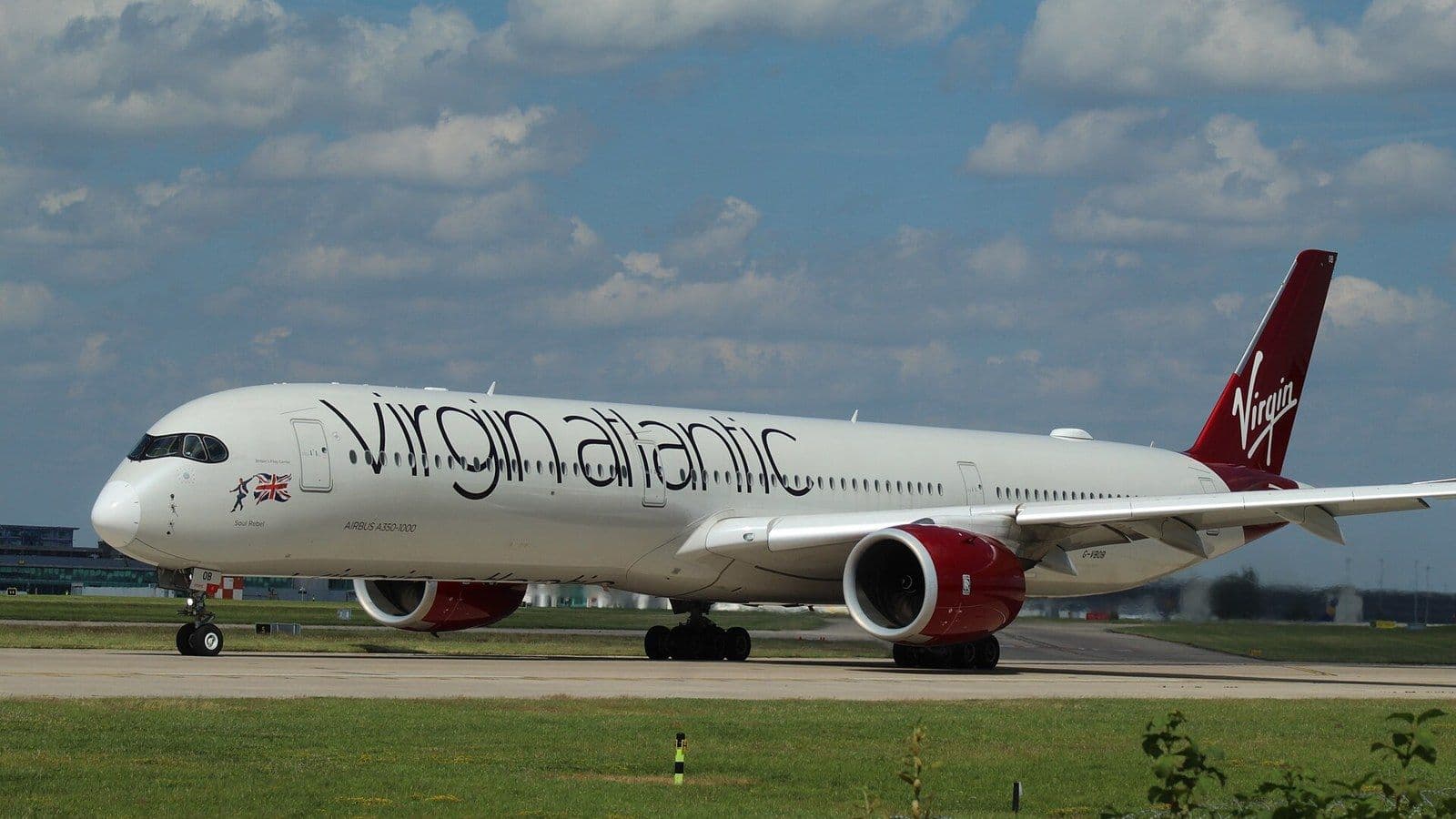
Virgin Atlantic has launched a targeted recruitment campaign aimed squarely at former Royal Air Force fast-jet pilots, with a particular focus on the small, highly specialised community of aviators who fly and sustain Britain's F-35 Lightning II fleet. The move underscores a widening competition for cockpit talent that now reaches directly into the military's most advanced and thinly stretched squadrons.
The background here matters. Virgin Atlantic operates a long-haul, transatlantic-heavy network from its Heathrow and Manchester bases, and its growth ambitions depend on a steady pipeline of experienced captains and first officers. Like many carriers emerging from the pandemic, the airline found that the supply of suitably qualified long-haul pilots had not recovered as quickly as demand. Command upgrades take years, simulator capacity is finite, and the pool of aviators with widebody experience is shallow. That reality has pushed recruitment teams to look beyond the traditional civilian career ladder and toward military fast-jet communities, where discipline, decision-making under pressure and high-tempo operational experience are baked in.
The F-35 dimension gives this story its edge. Britain's Lightning II force is small and carefully managed, with a limited number of frontline pilots rotating through operational squadrons, training units and test establishments. The roughly 40 RAF pilots associated with keeping the F-35 fleet flyable represent an extraordinarily scarce human resource, one that the Ministry of Defence guards closely. For Virgin Atlantic, this group is attractive precisely because it is so small and so elite: these are aviators accustomed to complex, sensor-rich cockpits, demanding mission planning and the kind of professional rigour that translates well into airline standard operating procedures.
There is an important nuance, however. The airline is not attempting to poach serving personnel mid-tour or undermine frontline readiness. The campaign is aimed at former RAF pilots, individuals who have already left or are approaching the end of their commissions and are weighing civilian careers. Even so, the optics are delicate. Defence planners are already conscious of a retention challenge in fast-jet communities, where airlines can offer better work-life balance, competitive pay and a defined career path. Every experienced pilot who leaves the military represents years of expensive training that is difficult to replace.
For Virgin Atlantic, the appeal of ex-military aviators is straightforward. Fast-jet pilots arrive with thousands of hours of high-performance jet time, strong instrument flying skills and a proven ability to operate in complex, high-stakes environments. They typically adapt quickly to airline operations, though the transition is not frictionless: long-haul flying demands a different rhythm, a heavy emphasis on crew resource management, and familiarity with the more procedural, service-oriented culture of commercial aviation. Virgin Atlantic's training organisation would need to invest in type conversions and line training, but the underlying aptitude is exactly what the airline wants.
The industry implications extend beyond a single carrier. Virgin Atlantic's overture is part of a broader trend in which airlines across Europe and North America are competing for military-trained pilots as civilian experience pipelines remain constrained. This competition has knock-on effects for defence readiness, particularly in specialised fleets such as the F-35, where the pool of qualified instructors and mission commanders is small. It also raises questions about how governments and airlines might cooperate, for example through structured reserve arrangements that allow former military pilots to maintain currency while flying commercially.
Looking ahead, expect Virgin Atlantic to continue marketing itself as an attractive destination for military leavers, emphasising basing, lifestyle and career progression. The airline's transatlantic growth plans require commanders, and military fast-jet communities remain one of the few sources of experienced, high-capability aviators available at scale. For the RAF, the challenge will be retention: keeping enough of its F-35 expertise in uniform while accepting that some will inevitably move to the airlines. The result is likely to be a continuing, quiet tug-of-war over a very small group of highly skilled people, with Virgin Atlantic making its case directly to those who once flew Britain's most advanced combat aircraft.