 Sky
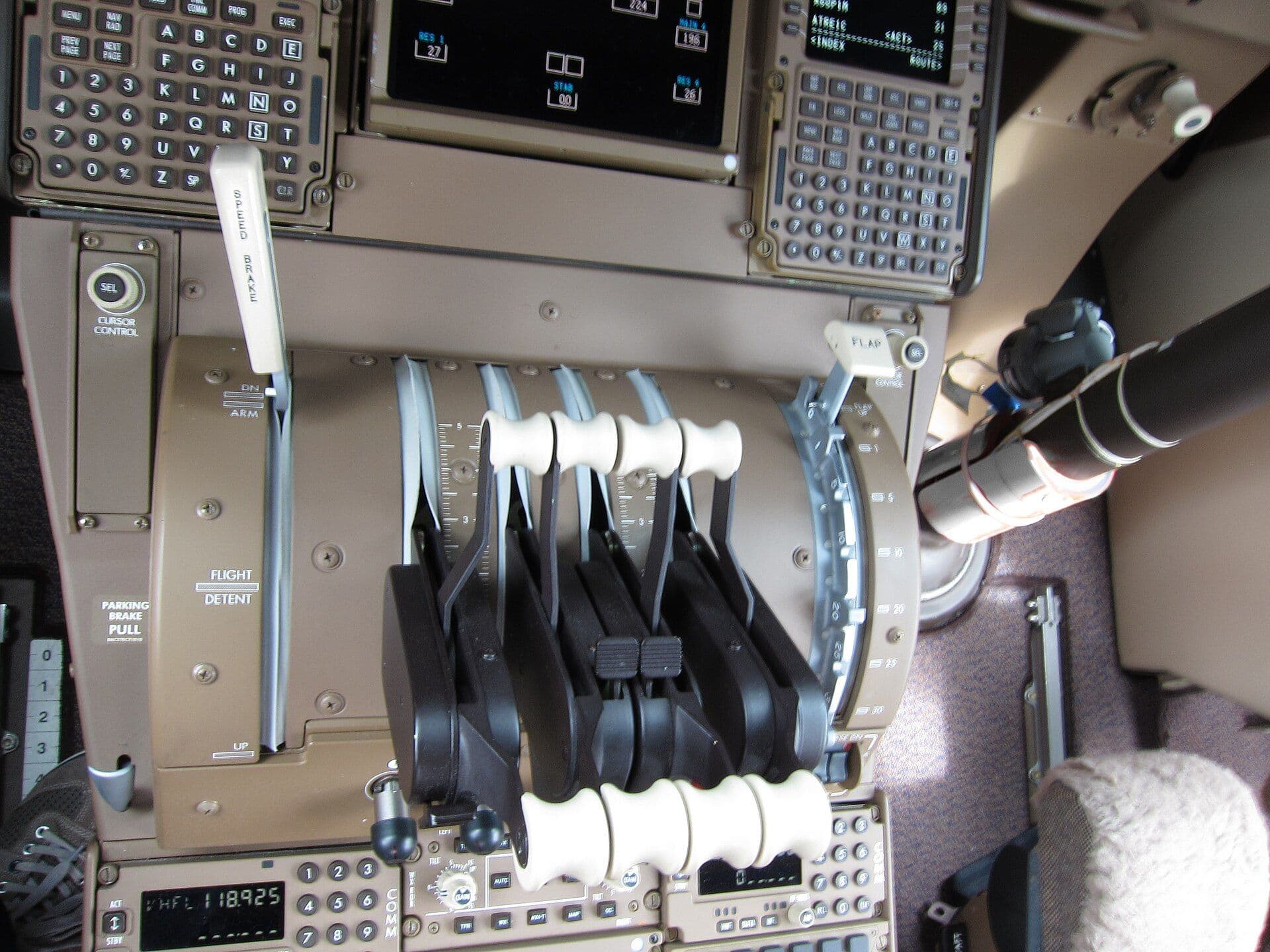
The Boeing 747-8, the final and largest iteration of the iconic 747 family, has seen its passenger role steadily diminish. By 2026, the majority of the global 747-8 fleet is operated by cargo airlines, a shift that has profound implications for pilot compensation. While the passenger version—the 747-8 Intercontinental—remains in service with a handful of carriers such as Lufthansa and Korean Air, the freighter variant now dominates the type's operational landscape. This transition has created a specialized labor market where pay scales are shaped by cargo economics, seniority, and the unique demands of flying the Queen of the Skies in an all-cargo configuration.
Background: The 747-8 program, launched in 2005, was Boeing's answer to the growing demand for larger, more efficient long-haul aircraft. The freighter version entered service in 2011, followed by the passenger variant in 2012. However, sluggish passenger sales—due to the rise of more fuel-efficient twinjets like the 777 and A350—led Boeing to focus increasingly on the cargo market. By the mid-2020s, production of the 747-8 had slowed to a trickle, and the final aircraft was delivered in 2023. Today, the fleet is aging but still highly valued for its unique combination of payload, range, and nose-loading capability. Cargo giants such as Atlas Air, Cathay Pacific Cargo, and UPS operate significant numbers of 747-8Fs, while niche operators like Silk Way West Airlines and AirBridgeCargo (where sanctions permit) also rely on the type.
Key Facts: Pilot pay for the 747-8 in 2026 varies widely by region, airline, and seniority. In the United States, cargo carriers typically offer the highest compensation. At Atlas Air, a 747-8 captain with 12 years of seniority can earn a base salary of approximately $280,000 to $320,000 per year, with additional per-diems, overtime, and profit-sharing pushing total compensation above $350,000. First officers with similar seniority earn between $180,000 and $220,000. At UPS, where the 747-8F is a cornerstone of the long-haul fleet, captain pay scales top out around $330,000, while first officers reach $210,000. These figures are notably higher than those for passenger 747-8 pilots at Lufthansa, where a captain with 15 years of service earns a base salary of roughly €180,000 to €220,000 (about $195,000 to $240,000), supplemented by allowances. In Asia, Cathay Pacific Cargo offers competitive packages, with 747-8 captains earning upwards of $250,000, while Middle Eastern cargo operators like Emirates SkyCargo (which does not operate the 747-8 but competes for similar crews) influence regional benchmarks.
The disparity reflects the broader cargo pilot market, where demand for type-rated crews remains strong despite the 747-8's production end. Cargo airlines value the aircraft for its ability to carry oversized freight and its reliability on long-haul routes, and they are willing to pay a premium to retain experienced pilots. Moreover, the 747-8 requires a specific type rating, and the pool of qualified pilots is limited, further driving up wages. In contrast, passenger operators face less pressure to offer top-dollar salaries because the 747-8 is a smaller part of their fleets and because passenger pilots often have more alternative type ratings.
Industry Implications: The cargo-centric nature of the 747-8 fleet has several implications. First, it accelerates the type's transition into a niche freighter role, which may eventually lead to a dedicated cargo pilot career path. Second, it puts upward pressure on cargo pilot salaries across the board, as airlines compete for a shrinking pool of 747-8-rated aviators. Third, it highlights the growing divide between passenger and cargo pilot compensation, with cargo carriers increasingly offering premium pay to attract talent. For pilots, obtaining a 747-8 type rating can be a lucrative investment, but it also locks them into a cargo career, as passenger opportunities for the type are scarce. For airlines, the high cost of 747-8 crews is offset by the aircraft's revenue-generating capacity on dense cargo routes.
Outlook: Looking ahead, 747-8 pilot pay is likely to remain stable or even increase modestly through 2026 and beyond, as the fleet continues to age and retirements loom. However, the long-term picture is uncertain. The 747-8F will eventually be replaced by next-generation freighters like the 777-8F, which will require different type ratings and may reset pay scales. For now, the 747-8 remains a coveted assignment for cargo pilots, offering some of the highest salaries in the industry. As the last of the legendary 747 line, it carries a certain prestige that translates into tangible compensation—a fitting tribute to the Queen of the Skies in her final chapter.