 Sky
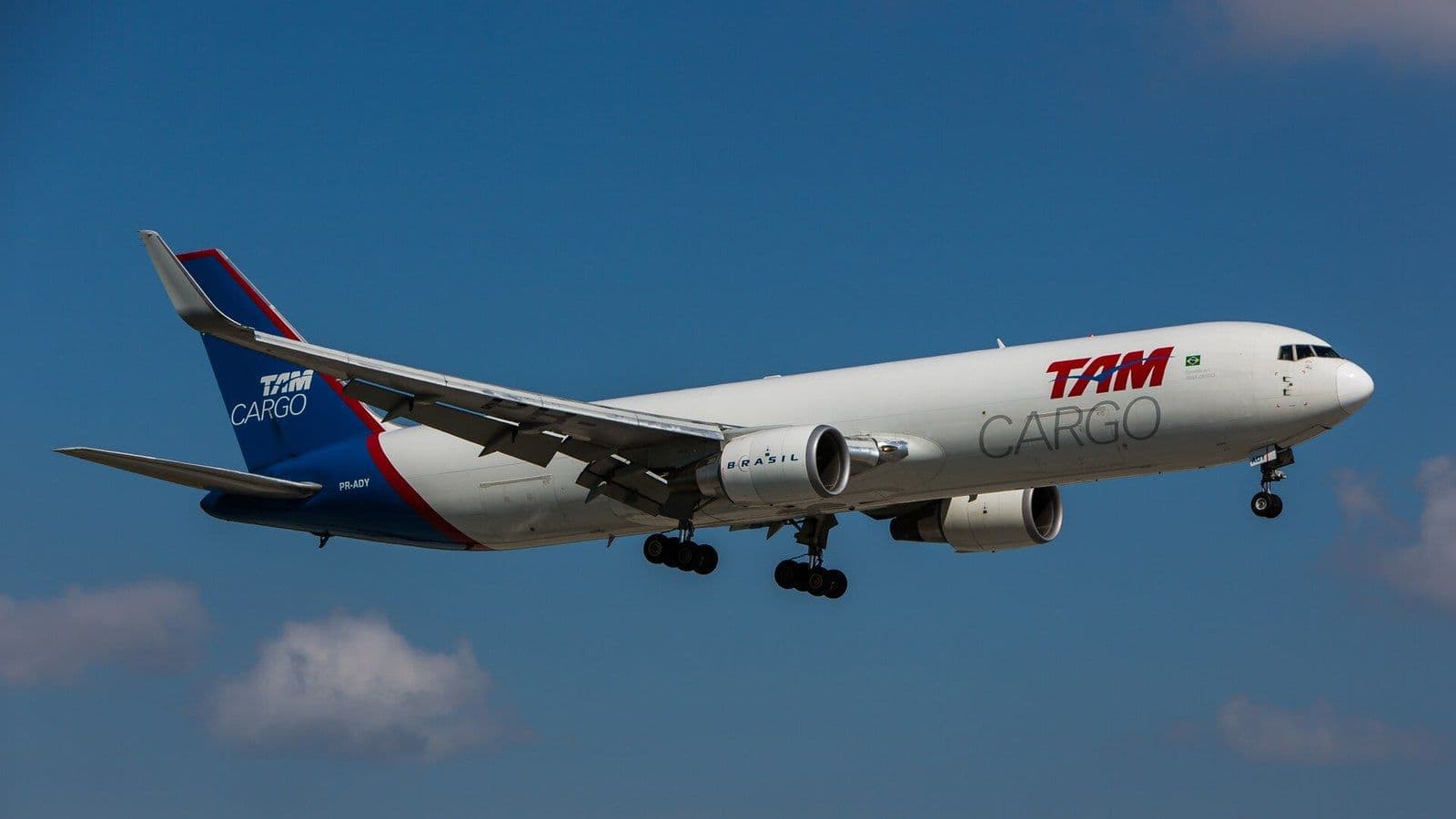
Few commercial aircraft have demonstrated the staying power of the Boeing 767. Introduced into service in the early 1980s, the widebody twinjet has outlasted many of the types it once competed against and, remarkably, remains in production today alongside only one other Boeing airliner with a longer continuous manufacturing run. That longevity is not an accident. It is the product of deliberate re-engining and incremental modernization that have allowed Boeing to keep the 767 relevant in markets where a larger, newer widebody would be uneconomical.
The story of the 767 is fundamentally a story about right-sizing. When it entered service, the aircraft helped pioneer the concept of long-haul twin-engine operations, benefiting from evolving ETOPS rules that gradually allowed twinjets to fly routes previously reserved for three- and four-engine aircraft. Over the decades, the 767 became a workhorse for transatlantic carriers, a staple of domestic trunk routes in Japan, and later a favored platform for cargo operators. Its combination of moderate capacity, efficient twin-engine economics, and a fuselage cross-section well suited to freighter conversion gave it a versatility that few airframes can match.
The key development in the type's later life has been the addition of new engine options. The 767-300ER and the freighter variant have been offered with modern powerplants that improve fuel burn, reduce emissions, and lower noise footprints compared with the original engine generations. These upgrades matter because they allow operators to keep acquiring factory-new 767s with economics that, while not matching the latest composite widebodies, remain attractive for specific missions. For cargo carriers in particular, the 767 freighter occupies a sweet spot: it can serve medium-range and transcontinental routes with lower trip costs than larger freighters, and it fits into airport infrastructure that cannot easily accommodate bigger aircraft.
The industry context is what makes this persistence notable. Boeing's commercial lineup has consolidated around the 737 MAX and the 787 Dreamliner, with the 777X still working toward certification. The 767 sits in a gap between narrowbody and large widebody capacity, a gap that the 787-8 nominally fills but at a higher acquisition cost and with different operating characteristics. Until a new generation of mid-size widebody twinjets matures, the 767 serves as a bridge, giving airlines and freight operators a proven, familiar platform with modern engines and an established support ecosystem.
There is also a strategic dimension. The 767 airframe underpins the KC-46A Pegasus tanker, a critical U.S. Air Force program. Maintaining the commercial production line supports the military supply chain and keeps tooling, engineering expertise, and supplier networks active. That dual-use dynamic has helped justify continued investment in the type even as passenger demand for the 767 has narrowed to niche operators and leasing companies.
For airlines, the calculus is straightforward. The 767 is not the most fuel-efficient widebody on the market, but it is reliable, well understood by crews and maintenance teams, and available with financing and conversion options that newer types cannot yet match. For airports, the aircraft's moderate size and wingspan make it compatible with gates and runways that would strain under larger equipment. For manufacturers, the lesson is that incremental engine and systems upgrades can extend an airframe's commercial life well beyond its original design horizon.
The outlook is one of managed decline rather than abrupt retirement. Boeing has signaled that the 767's future is increasingly tied to freighter and military demand, with passenger orders thinning. Yet as long as cargo growth outpaces freighter supply and as long as the KC-46 program requires a stable production base, the 767 will continue to roll off the line. Its re-engining story is a reminder that in aviation, the most consequential innovations are sometimes not new airframes but smart upgrades that keep proven ones flying. The 767 may be in its twilight, but it is a twilight carefully engineered to last until its successor is ready.