 Sky
Sky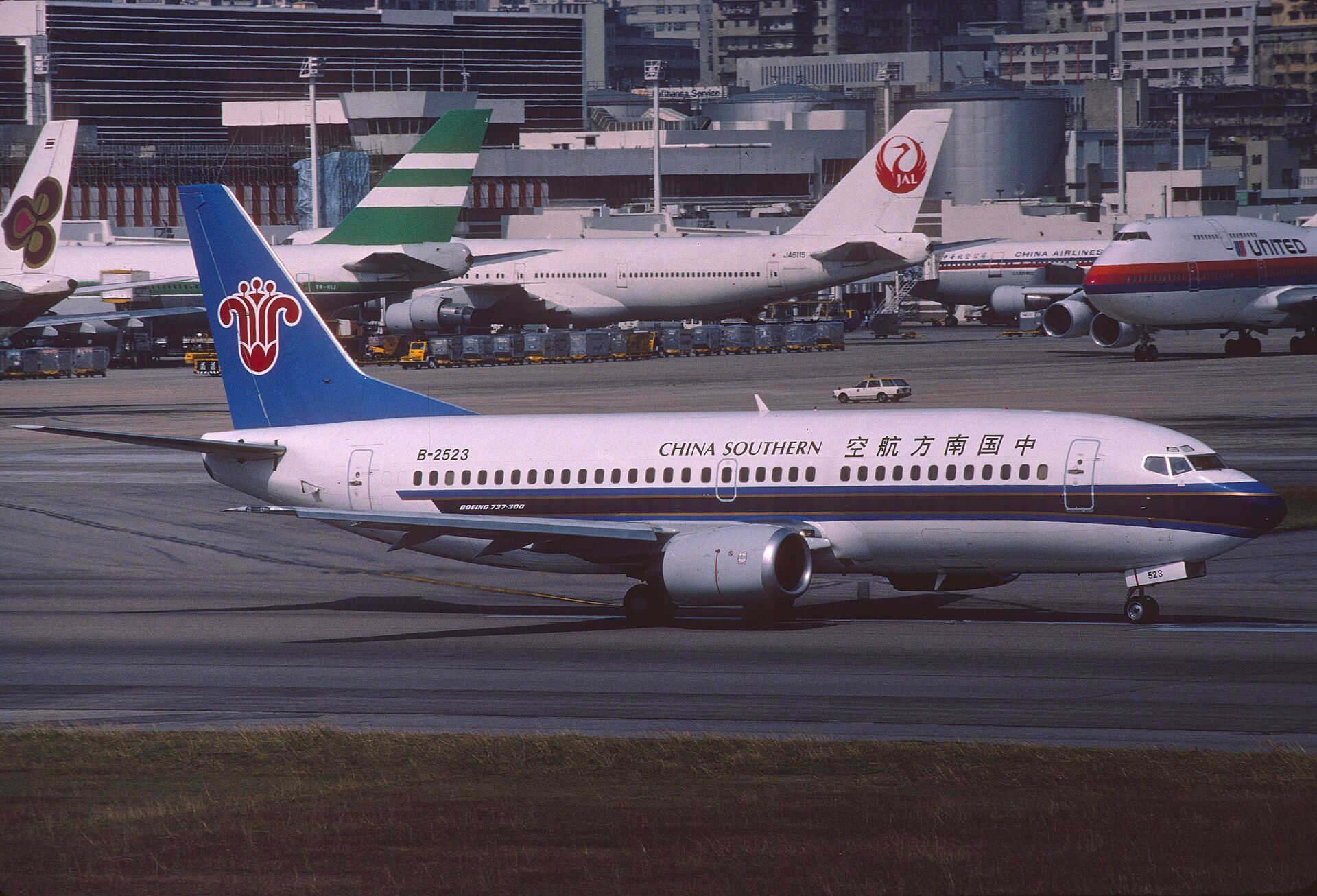
After years of geopolitical tensions, regulatory hurdles, and the devastating impact of the 737 MAX groundings, Boeing has finally secured a series of orders and deliveries in China. The breakthrough, which includes commitments for hundreds of aircraft and the resumption of 737 MAX deliveries, marks a critical turning point for the American manufacturer. Yet, despite these gains, Airbus remains firmly ahead in the world's second-largest aviation market, and that lead is unlikely to be erased by 2026.
China's aviation market has been a battleground for Boeing and Airbus for decades. Boeing once held a slight majority share, but the 737 MAX crashes in 2018 and 2019, followed by a lengthy grounding and subsequent trade disputes, allowed Airbus to surge ahead. Airbus capitalized on the void, securing massive orders from Chinese carriers and, crucially, establishing a final assembly line (FAL) in Tianjin in 2008. That facility, which now produces A320 family aircraft for the Chinese market, has given Airbus a local presence that Boeing lacks. In contrast, Boeing's completed aircraft are built in the United States and must be ferried across the Pacific, making them subject to tariffs and political whims.
Boeing's recent breakthrough includes an order from China Southern Airlines for 100 aircraft and a commitment from Air China for 96 jets, among others. These deals, valued at tens of billions of dollars, signal a thaw in relations and a recognition that China needs Boeing to meet its soaring demand. The Civil Aviation Administration of China (CAAC) has also cleared the 737 MAX to return to service, and deliveries have resumed. However, the scale of these orders, while impressive, does not immediately translate into a shift in market share. Airbus still holds a backlog of over 800 aircraft for Chinese carriers, compared to Boeing's roughly 400. Moreover, Airbus's Tianjin FAL is ramping up production, with plans to increase output to 75 A320s per month globally by 2025, many of which will serve Chinese customers.
Industry analysts point out that Boeing's challenges are not just about orders. The company faces supply chain constraints, quality control issues, and a backlog of its own that stretches years into the future. Delivering aircraft to China requires not only regulatory approval but also the ability to produce them on time. Boeing's 737 MAX production rate has been slow to recover, and the recent discovery of manufacturing defects has further complicated its recovery. Airbus, meanwhile, has a more stable production system and a diversified supply chain that includes Chinese suppliers, making it more resilient to geopolitical shocks.
Geopolitics also looms large. The U.S.-China relationship remains tense, with issues ranging from technology transfer to human rights. Boeing's fortunes in China are tied to the broader diplomatic climate. While the recent orders suggest a warming of ties, any deterioration could halt deliveries overnight. Airbus, with its European identity and local manufacturing, is less exposed to such volatility. Furthermore, China's long-term goal of developing its own commercial aircraft, the COMAC C919, adds another layer of complexity. The C919, though not yet a serious threat to Boeing or Airbus in terms of range and capacity, is a symbol of China's ambition to reduce reliance on foreign manufacturers. Both Boeing and Airbus will need to navigate this emerging competitive landscape carefully.
Looking ahead to 2026, Airbus is poised to maintain its lead. Its backlog, local production, and strong relationships with Chinese airlines provide a buffer that Boeing cannot easily overcome. Boeing's breakthrough is real and significant, but it is a step toward recovery, not a leap into dominance. The company must execute flawlessly on deliveries, rebuild trust with Chinese regulators and customers, and hope for a stable geopolitical environment. Even then, Airbus's head start in China—built over two decades of investment and strategic localization—will likely keep it ahead. For Boeing, the goal is not to overtake Airbus in China by 2026, but to regain a competitive duopoly. That alone would be a victory.
Comments (0)
No comments yet. Be the first to share your thoughts.