 Sky
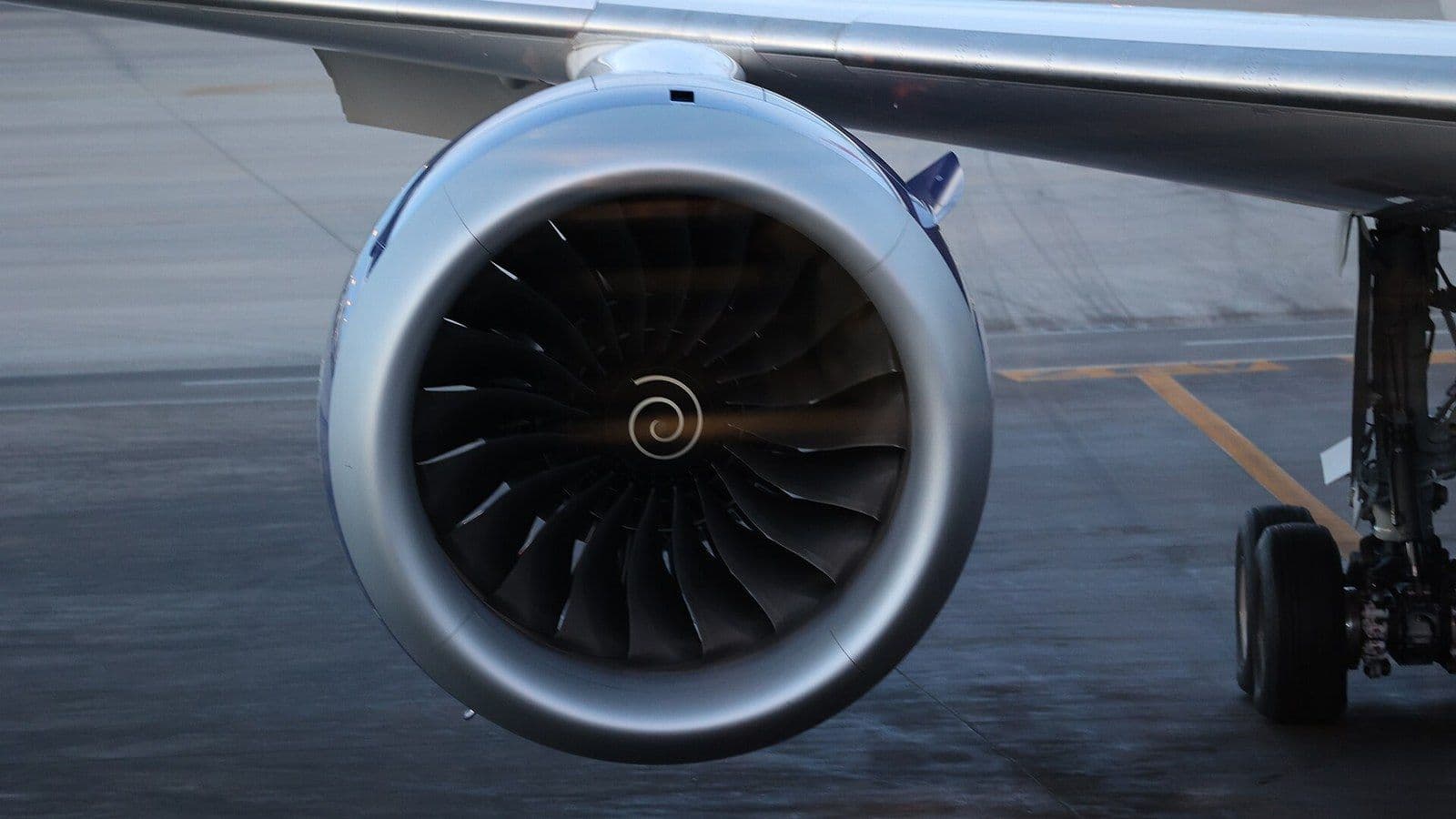
British Airways is once again confronting uncomfortable questions about the reliability of its Boeing 787-10 fleet after one of the type's aircraft declared an emergency while en route to Boston, marking the second engine oil-related incident involving the same airframe in barely ten days. The sequence of events has drawn scrutiny from regulators, passengers and industry observers alike, and it underscores the operational and reputational risks carriers face when a single aircraft suffers repeat technical faults in quick succession.
The background matters here. The 787-10 is the largest member of Boeing's Dreamliner family and a cornerstone of British Airways' long-haul strategy, prized for its fuel efficiency and passenger comfort on high-density routes across the North Atlantic and to the Middle East. The airline operates a sizeable fleet of the variant, deploying it on trunk routes where dispatch reliability is paramount. When an aircraft is removed from service unexpectedly, the knock-on effects ripple through schedules, crew rosters and connecting traffic, and the costs mount quickly.
According to the source reporting, the same 787-10 had already faced an engine shutdown and diversion days earlier during a flight to Dubai. Now, on a subsequent service bound for Boston, the aircraft declared an emergency over what was described as a second oil leak in ten days. The pattern is what makes this story significant. A single oil leak can be attributed to a component failure, a maintenance lapse or simple wear. Two on the same airframe within a fortnight suggests something more systemic, whether a recurring fault in a specific engine or accessory, an incomplete troubleshooting process, or a gap in the way the defect was signed off before the aircraft returned to service.
Industry implications extend beyond one airline and one route. Engine oil systems are critical to safe operation, and crews treat anomalies with appropriate seriousness. Declaring an emergency is not a routine administrative step; it prioritises the aircraft with air traffic control, clears surrounding traffic and prepares airports for a possible diversion or priority landing. That the crew took this action reflects the caution embedded in modern flight operations, but it also signals that the issue was judged serious enough to warrant the highest level of attention.
For British Airways, the episode arrives at a sensitive moment. The carrier, like many European long-haul operators, is managing engine maintenance burdens across its widebody fleet, with supply chain pressures and shop visit backlogs affecting turnaround times for engine overhauls. Repeat defects on a single airframe can strain engineering capacity, consume spare parts and force schedule adjustments at short notice. They also invite regulatory interest: civil aviation authorities increasingly examine whether operators are identifying and correcting recurring faults effectively, and whether maintenance documentation accurately reflects the work performed.
Passengers, meanwhile, are left to weigh reassurance against disruption. A declared emergency on a transatlantic service will inevitably generate headlines, even when the aircraft lands safely and without injury. Airlines must communicate clearly and quickly in such moments, because the gap between a controlled precautionary diversion and a public perception of danger can be wide. Reputationally, consistent transparency tends to serve carriers better than silence.
From an engineering perspective, the focus will fall on the engine type fitted to the aircraft, the maintenance history of the affected powerplant, and whether the earlier Dubai incident was fully resolved before the jet was released back into service. Investigators and the airline's own quality assurance teams will want to establish whether the two events share a common root cause. If they do, the fix may be straightforward but the process failure more troubling. If they do not, the coincidence is unfortunate but less alarming.
Looking ahead, the key tests will be how quickly British Airways returns the aircraft to service, what it discloses about the root cause, and whether the wider 787-10 fleet shows similar patterns. The Dreamliner remains a capable and economically attractive aircraft, and oil system anomalies are not unique to any one operator or type. But repeated incidents on a single airframe are precisely the kind of signal that maintenance organisations are designed to catch. How the airline responds over the coming weeks will say as much about its engineering culture as about the aircraft itself.