 Sky
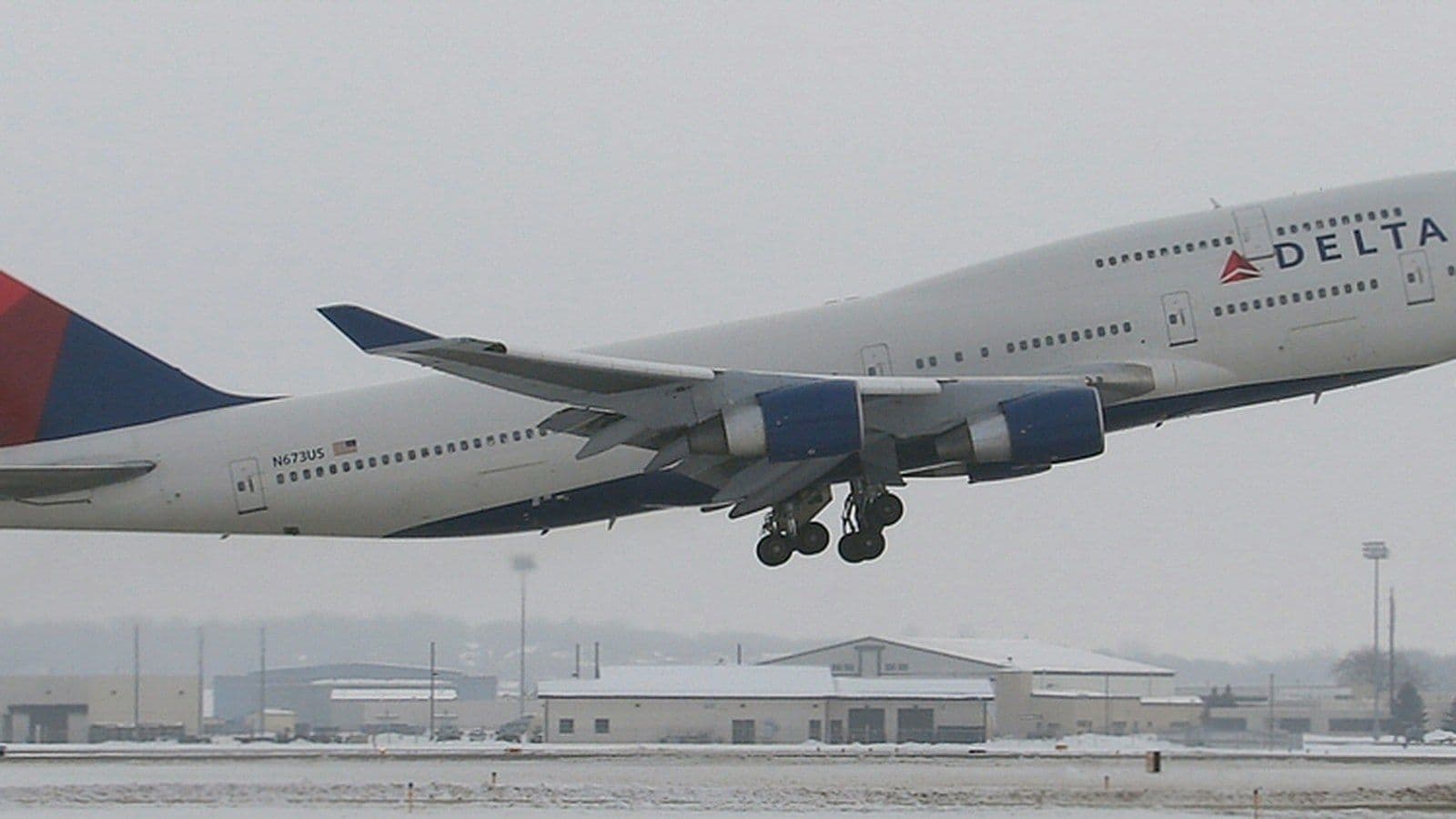
Few aircraft commands the affection of the Boeing 747, and few airlines have had as complicated a relationship with it as Delta Air Lines. The Atlanta-based carrier believed it had closed the book on the jumbo jet, only to find the aircraft returning to its fleet decades later through circumstances largely beyond its control. The story, revisited in reporting by Simple Flying, is less a tale of nostalgia than a case study in how mergers, route networks and aircraft economics can overturn even the most carefully laid fleet plans.
Delta's first encounter with the 747 came in the early 1970s, when the airline operated the type on high-density domestic and transatlantic services. Like many carriers of the era, Delta was drawn to the jumbo's enormous capacity, but the economics proved difficult. The 1970s oil shocks, fluctuating demand and the sheer cost of filling hundreds of seats pushed the aircraft out of favor. Delta retired its original 747s in the late 1970s, seemingly saying goodbye to the Queen of the Skies for good.
For more than three decades, that farewell held. Delta rebuilt itself around a more disciplined fleet philosophy, favoring twin-engine widebodies such as the Boeing 767 and, later, the 777 and Airbus A330 for long-haul missions. The 747 became a historical footnote, a chapter from an earlier, more experimental era of jet travel. Industry observers widely regarded Delta as one of the major U.S. carriers least likely to ever operate the jumbo again.
Then came the merger with Northwest Airlines, completed in 2010. Northwest had long been a devoted 747 operator, flying the type across the Pacific and on key transatlantic routes. The combination handed Delta a substantial fleet of Boeing 747-400s virtually overnight. Delta had not chosen the aircraft; it inherited it as part of the corporate union. The airline suddenly found itself back in the jumbo business, roughly 31 years after its original retirement, exactly the twist captured in the source headline.
Delta did not simply tolerate the inheritance. It integrated the 747-400s into its international network, deploying them on transpacific routes and high-demand long-haul services where the aircraft's capacity and range made sense. The jumbo became a recognizable part of Delta's long-haul identity through the 2010s, even as newer, more fuel-efficient twins such as the Airbus A350 and A330neo began to arrive. Delta invested in cabin refurbishments and kept the fleet flying longer than many expected.
The reprieve was temporary. By the late 2010s, the economics of four-engine aircraft had turned decisively against the 747. Fuel burn, maintenance costs and the superior efficiency of modern twins made the jumbo increasingly difficult to justify. Delta announced the type's final retirement, and in late 2017 operated a farewell flight that drew enthusiasts and employees alike. This time, the goodbye appeared definitive: the airline had a clear replacement path with Airbus widebodies and no merger on the horizon to reintroduce the Queen of the Skies.
The saga carries broader lessons for the industry. Fleet decisions are rarely purely technical; they are shaped by corporate strategy, network geography and, sometimes, the unpredictable consequences of consolidation. Delta's 747 story illustrates how a merger can override years of deliberate fleet planning, forcing an airline to operate an aircraft it had consciously abandoned. It also underscores the durability of the jumbo's operational value on specific routes, even as its overall economic case eroded.
For passengers and aviation enthusiasts, the episode preserved an unexpected encore for an icon. For analysts, it is a reminder that fleet commonality and efficiency are powerful forces, but they can be interrupted by events outside an airline's control. Delta's relationship with the 747 was never a simple love affair; it was a pragmatic calculation repeated across decades, with different answers each time.
Looking ahead, the Queen of the Skies is unlikely to return to Delta's mainline fleet. The carrier's future long-haul strategy rests on fuel-efficient twins, and the 747's passenger era is winding down globally. Yet the story endures as a favorite among aviation historians, a rare instance in which an airline's formal farewell proved premature by three decades. For Delta, the lesson is clear: in aviation, goodbyes are sometimes only temporary, and the aircraft you retire today may one day return through a merger, a market shift or simple necessity.