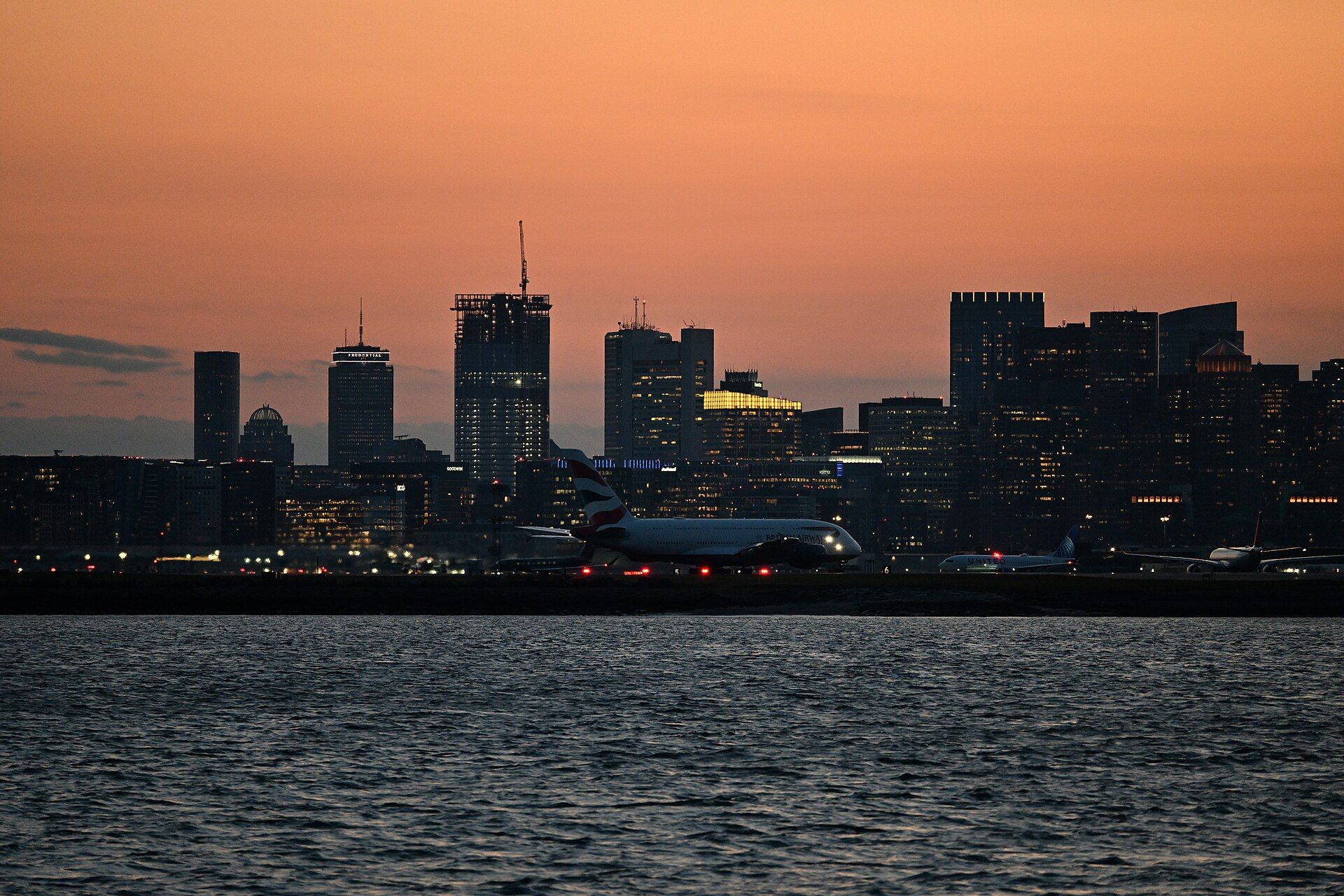
British Airways is undertaking a significant cabin retrofit across its Airbus A380 fleet that will see 88 economy seats removed from each aircraft. The move, first reported by Simple Flying, is part of a broader strategy to modernize the Superjumbo's interior and align capacity with evolving demand for premium travel. While the exact timeline remains under wraps, the airline has confirmed it intends to keep the A380 in service well into the next decade, making this refit a cornerstone of its long-haul product strategy.
The A380 has had a turbulent history. Airbus delivered the first Superjumbo to Singapore Airlines in 2007, but the type never achieved the sales success envisioned. Airlines struggled to fill the massive aircraft economically, and by 2019 Airbus announced the end of production. Yet the A380 has enjoyed a surprising renaissance in the post-pandemic era. With international travel rebounding and airports slot-constrained, the A380's ability to carry 500+ passengers on high-demand routes has proven valuable. British Airways, one of the largest A380 operators with 12 aircraft, has been among the type's most vocal supporters.
British Airways currently configures its A380s with 469 seats: 14 in First, 97 in Club World business class, 55 in World Traveller Plus premium economy, and 303 in World Traveller economy. The removal of 88 economy seats will reduce total capacity to 381, a 19% decrease. While the airline has not disclosed the exact new layout, industry insiders speculate that the freed space will be used to add more premium economy and business class seats, and possibly a new business class product. The refit is expected to include updated interiors, larger entertainment screens, and improved amenities across all cabins.
This strategic shift reflects a broader industry trend: the rise of premium leisure travel. Since the pandemic, demand for business class and premium economy has surged, while pure economy demand has been slower to recover, especially on long-haul routes. Airlines are capitalizing on higher yields from premium cabins. For British Airways, which competes with the likes of Virgin Atlantic, Emirates, and Delta on transatlantic and Middle Eastern routes, offering a competitive premium product is essential. The A380's spacious cabin makes it an ideal platform for such a transformation.
The implications extend beyond British Airways. The refit signals confidence in the A380's long-term viability. Other operators, such as Emirates, Singapore Airlines, and Qantas, have also invested in cabin upgrades for their A380s. This suggests that the Superjumbo, once considered a white elephant, is finding a second life as a premium people-mover on slot-constrained routes. For passengers, the changes mean fewer cheap seats but a more comfortable experience overall. For the industry, it underscores the importance of adapting cabin configurations to shifting demand patterns.
From a financial perspective, the refit is a significant investment. Each A380 retrofit can cost millions of dollars and requires extensive downtime. British Airways has not disclosed the cost, but the airline is clearly betting that the improved product will attract high-paying customers and boost profitability. The move also aligns with BA's parent company IAG's focus on premiumization across its brands. In addition, the refit will help BA retain its competitive edge against Middle Eastern carriers that offer luxurious A380 experiences.
Looking ahead, the success of this refit will depend on execution and market conditions. If premium demand remains strong, BA could see improved yields and higher customer satisfaction. However, if economic headwinds dampen premium travel, the reduced seat count could limit the airline's ability to compete on price-sensitive routes. Nonetheless, the A380's unique appeal—its quiet cabin, spaciousness, and iconic status—gives BA a valuable asset. As the airline prepares to welcome new widebody aircraft like the Boeing 777X and Airbus A350, the A380 will continue to play a niche but important role. For now, the removal of 88 economy seats is a clear statement: British Airways is doubling down on premium, and the Superjumbo is at the heart of that strategy.
Comments (0)
No comments yet. Be the first to share your thoughts.