 Sky
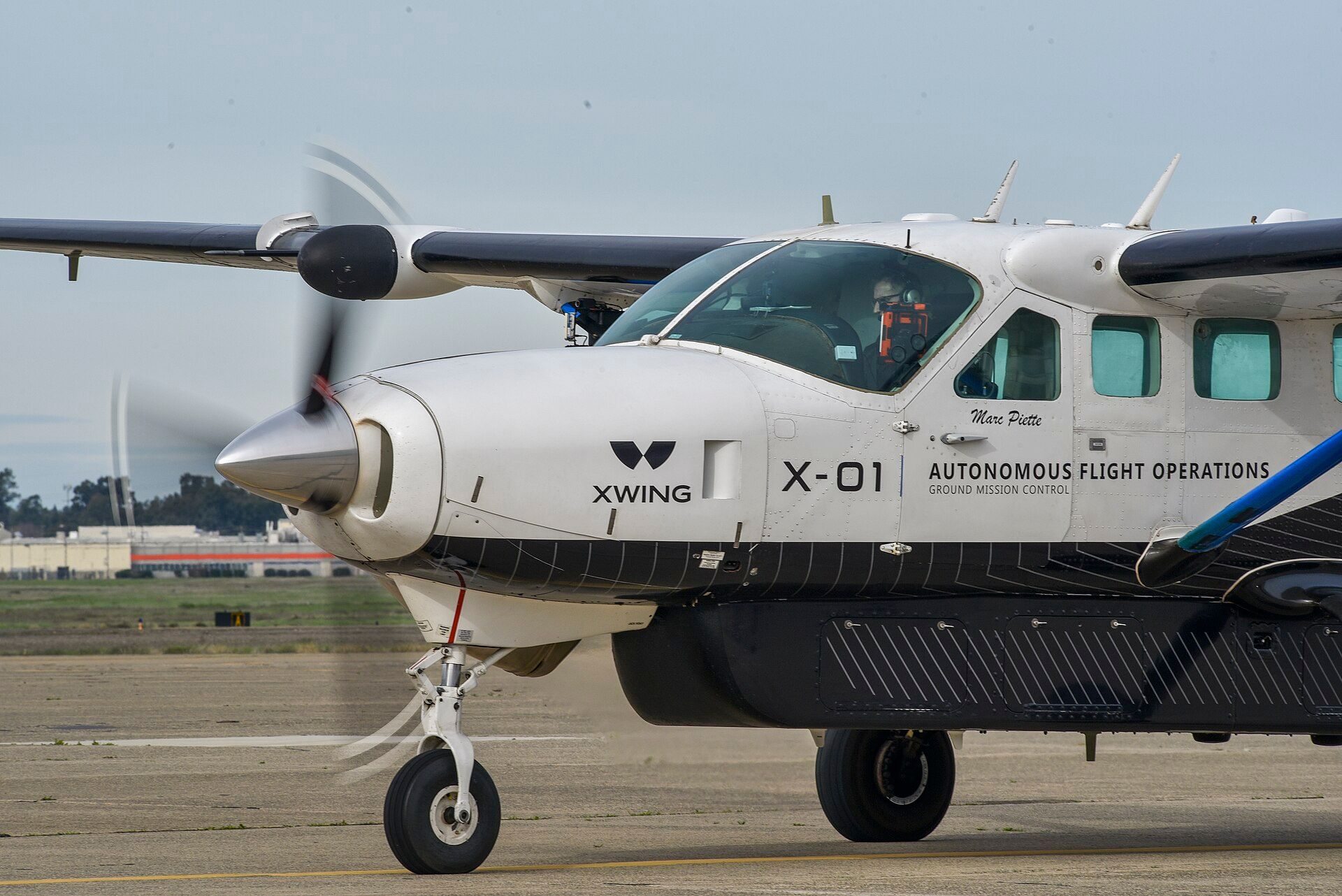
In an industry that celebrates Mach numbers and nonstop ultra-long-haul missions, the Cessna Grand Caravan occupies a curious place. It is not fast. It was never meant to be. Yet the turboprop single has become one of the most consequential aircraft in civilian aviation, and understanding why requires looking past the airspeed indicator to the mission profile that made it a legend.
The Grand Caravan traces its lineage to the Cessna 208 Caravan, which first flew in the mid-1980s as a rugged utility aircraft built around a simple proposition: carry a lot, operate almost anywhere, and do it reliably. The stretched Grand Caravan, designated the 208B, added roughly four feet of fuselage and a more powerful Pratt & Whitney Canada PT6A turboprop, giving operators substantially more cabin volume and payload capacity. That combination of a forgiving high-wing airframe, a fixed tricycle gear, and a single engine has kept the type in continuous production for decades, a rarity in a market that routinely retires designs after a fraction of that lifespan.
On the speed question, the numbers are modest but meaningful. The Grand Caravan typically cruises in the range of roughly 170 to 185 knots true airspeed, depending on altitude, weight, and power settings, with a maximum operating speed in the neighborhood of 190 knots. In plain terms, that is around 200 miles per hour, slower than regional jets, slower than most business turboprops, and well below the high-speed cruise figures touted by pressurized competitors. But raw cruise speed tells only part of the story. The Caravan's real performance advantage lies in its ability to operate from short, unpaved, and otherwise marginal strips, to haul bulky cargo that would never fit through a conventional airliner door, and to do so with dispatch reliability that operators have come to trust.
That versatility explains why the type is so ubiquitous in roles that have little to do with speed. Regional and feeder airlines, particularly in island and remote markets, use the Caravan to connect communities that cannot support jet service. Cargo operators value its large, squared-off cabin and generous payload. Skydiving outfits prize its climb performance and capacious jump door. Humanitarian and missionary aviation organizations rely on it to reach airstrips where infrastructure is minimal. In each case, the aircraft's speed is calibrated to the mission rather than to a spec sheet, and the economics work because the Caravan can fly routes and carry loads that faster aircraft simply cannot serve profitably.
For the broader industry, the Grand Caravan offers a useful counterpoint to the prevailing narrative that bigger, faster, and more complex always wins. Modern regional aviation has largely moved toward jets, and the economics of high-frequency, long-sector flying favor that shift. But the Caravan demonstrates that a large addressable market remains for aircraft optimized around accessibility, low operating costs, and operational flexibility. It also highlights the enduring appeal of the PT6 turboprop family, whose power-to-weight characteristics and reliability have made single-engine turboprops credible for commercial operations in many jurisdictions.
From an operational standpoint, the aircraft's speed profile has practical consequences. Slower cruise speeds mean longer block times on comparable sectors, which can matter on high-demand routes. But they also translate into lower fuel burn per seat-mile in the right configuration and, crucially, into the ability to use shorter runways and slower approach speeds, expanding the universe of usable airports. For operators, the trade is deliberate: accept a longer flight in exchange for access to places a faster aircraft cannot go.
The outlook for the type remains solid. Textron Aviation continues to produce and support the Caravan family, and demand persists across cargo, utility, and passenger segments. As regional connectivity becomes a policy priority in many parts of the world and as operators seek economical alternatives to aging commuter fleets, the Caravan's combination of payload, short-field capability, and proven reliability is likely to keep it relevant. It will never be the fastest aircraft in the sky. It does not need to be. In aviation, as in logistics, the aircraft that shows up, carries the load, and gets the job done on time often matters more than the one that gets there first.
Comments (0)
No comments yet. Be the first to share your thoughts.