A routine tow at Los Angeles International Airport (LAX) turned into a dramatic tarmac incident on [date], when a Delta Air Lines Airbus A350-900 collided with an Air Canada Boeing 777-300ER, leaving the Delta jet's winglet embedded in the empennage of the Canadian carrier's widebody. The accident, which occurred while the Air Canada 777 was being towed to its gate, has reignited industry discussions about ground safety, the risks of congested aprons, and the operational consequences when two long-haul flagships are taken out of service simultaneously.
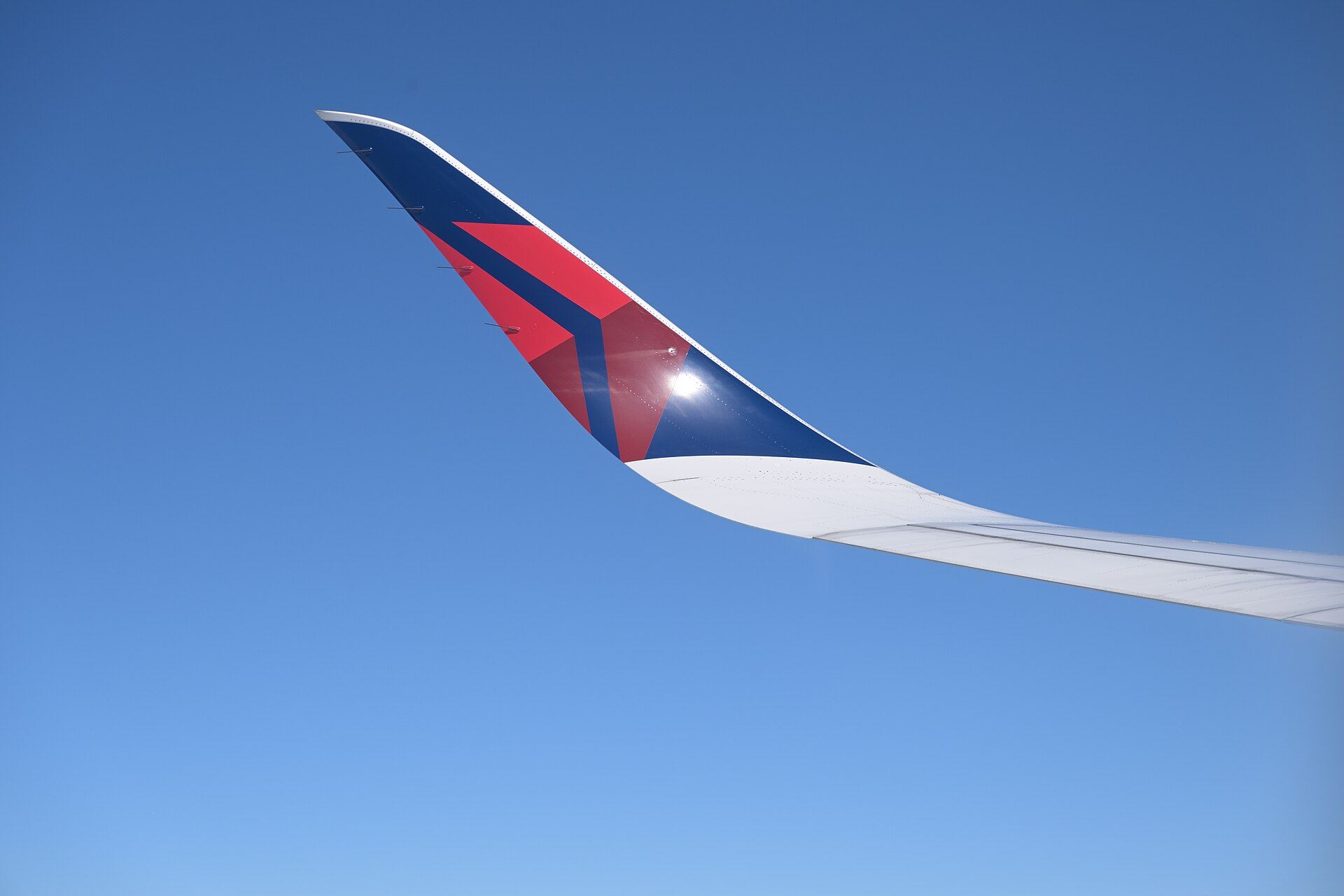
According to initial reports, the Air Canada 777 was under tow—likely by a ground handling contractor—when its tail section came into contact with the parked Delta A350. The impact forced the Delta aircraft's winglet, a distinctive curved extension designed to reduce drag, deep into the 777's vertical stabilizer and rudder area. Images circulating on social media show the winglet wedged into the tail, a striking visual that underscores the forces involved even at low towing speeds. There were no immediate reports of injuries, but both aircraft sustained substantial structural damage.
The incident is a stark reminder that ground collisions, though rare, remain a persistent threat in the world's busiest airports. LAX, a sprawling complex with nine terminals and four runways, handles over 700,000 aircraft movements annually. Its apron areas are often cramped, especially during peak international departure banks when widebodies from multiple carriers jostle for gate space. Towing operations, which involve complex coordination between pilots, tug drivers, and ground marshals, are particularly vulnerable to miscommunication or blind spots. In this case, the Air Canada 777's tail may have swung wide during a turn, catching the Delta A350's winglet—a scenario that highlights the challenges of maneuvering large aircraft in tight quarters.
Both the Airbus A350 and Boeing 777 are among the most advanced widebody jets in service. The A350-900, with its carbon-fiber fuselage and 64-meter wingspan, is a fuel-efficient long-haul workhorse for Delta, while the 777-300ER remains the backbone of Air Canada's international fleet. The damage to the 777's tail—potentially affecting the rudder, vertical stabilizer, and surrounding structures—could require extensive repairs, possibly at a maintenance base rather than at LAX. Similarly, the A350's winglet, though replaceable, may have suffered internal damage to the wing's leading edge or fuel systems. Both aircraft will likely be grounded for days, if not weeks, forcing the airlines to reshuffle schedules and rebook passengers.
The collision also raises questions about insurance and liability. Ground handling at LAX is typically managed by the airport or third-party contractors, and determining fault will involve a detailed investigation by the FAA and the National Transportation Safety Board (NTSB). In recent years, the NTSB has highlighted the need for better training and technology—such as proximity sensors and enhanced marshalling procedures—to prevent similar incidents. The COVID-19 pandemic exacerbated staffing shortages among ground crews, and while traffic has rebounded, the experience gap may still linger.
For Delta and Air Canada, the timing is particularly unfortunate. Both carriers are in the midst of robust transatlantic and transpacific schedules, and the loss of two widebodies—even temporarily—could ripple through their networks. Delta has been aggressively expanding at LAX, its West Coast hub, while Air Canada relies on the 777 for high-density routes to Asia and Europe. Passengers booked on affected flights may face delays, cancellations, or equipment swaps, though both airlines have robust reaccommodation policies.
Looking ahead, the industry must continue to invest in ground safety technologies and training. While the FAA has mandated stricter oversight of towing operations, human error remains the leading cause of apron accidents. The integration of artificial intelligence and real-time tracking systems could help, but ultimately, the culture of safety on the ramp must be reinforced. As widebody fleets grow and airports become more congested, the margin for error shrinks. This incident at LAX is a costly reminder that even the most modern jets are vulnerable when they are not in the air.
Investigators will now comb through flight data, tug records, and surveillance footage to piece together the sequence of events. For now, the image of a Delta winglet lodged in an Air Canada tail serves as a vivid cautionary tale for the global aviation community.
Comments (0)
No comments yet. Be the first to share your thoughts.