 Sky
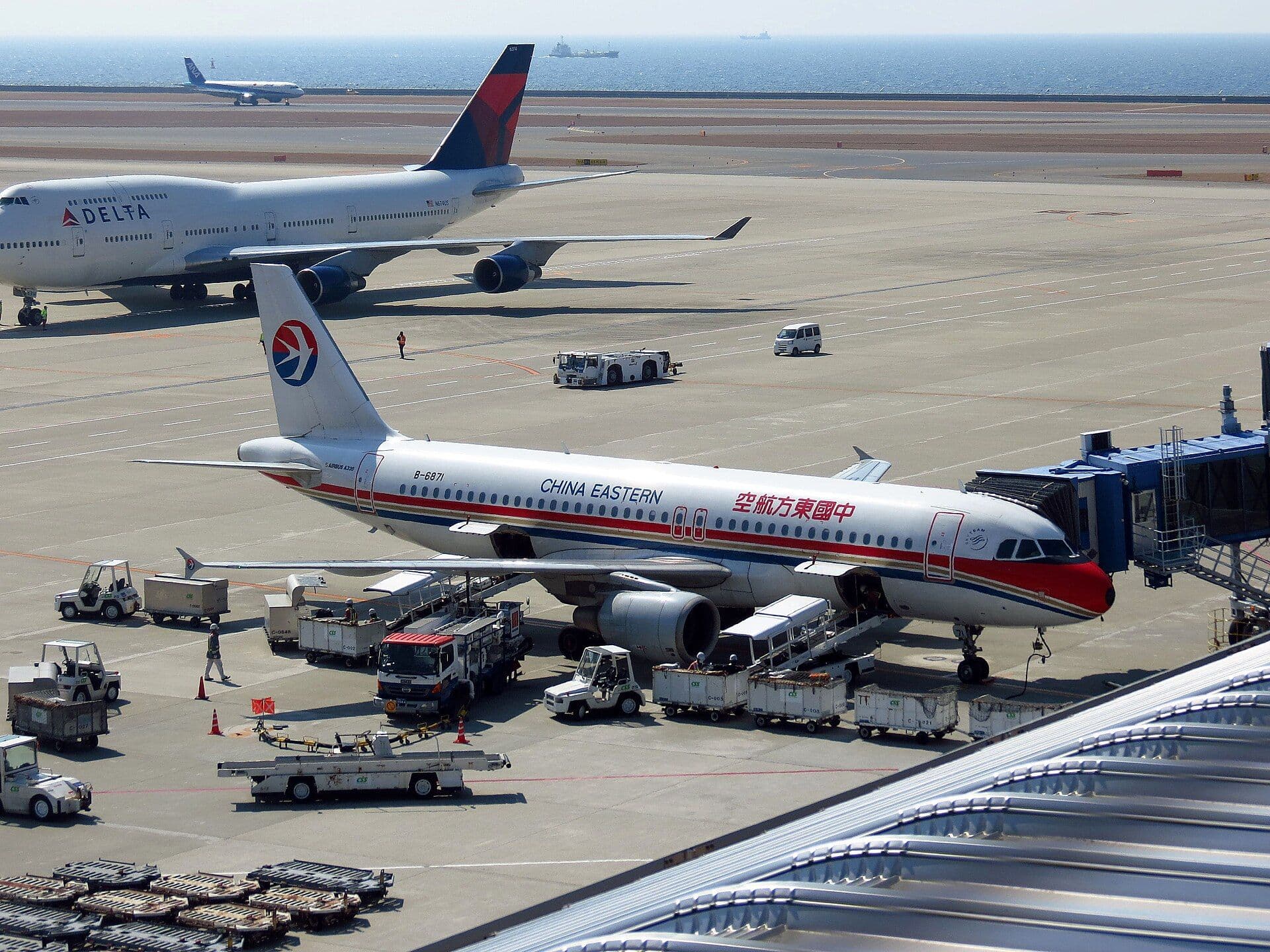
Delta Air Lines has quietly assembled one of the more distinctive long-haul fleets in North America, and the distinction is increasingly visible at the gate. Among US carriers, Delta stands alone as the only operator of Airbus' newest generation of widebody aircraft, a position built on the A330neo and the A350 family rather than on the Boeing types that dominate its domestic rivals' international operations. The strategy is not a slogan; it is a fleet-planning decision with consequences for route economics, cabin consistency and competitive positioning through the end of the decade.
The background matters. For years, the conventional wisdom among US network carriers favored Boeing widebodies for long-haul missions, with Airbus twins playing a supporting role or, in some cases, no role at all. Delta took a different path. It inherited a substantial Airbus narrowbody and widebody footprint through its merger with Northwest Airlines, then chose to build on that foundation rather than unwind it. The result is a carrier that has developed genuine operational depth with Airbus platforms, including maintenance arrangements, crew training pipelines and supplier relationships that make adding more Airbus widebodies a comparatively natural step rather than a costly strategic pivot.
The key facts are straightforward. Delta operates the A330neo, Airbus' re-engined update to the long-serving A330 line, and the A350, the manufacturer's flagship long-haul twinjet. No other US carrier currently flies either type in the newest configurations Delta has adopted. The airline has also placed orders for the largest member of the A350 family, the A350-1000, with deliveries expected to begin in 2027. That order is significant because it gives Delta a high-capacity aircraft suited to the densest long-haul markets, a segment where the largest twinjets offer compelling seat-mile economics and where Delta has historically relied on older or less efficient equipment.
Industry implications extend beyond Delta's own network. First, the A330neo and A350 give Delta a fuel-efficiency advantage on medium and long sectors that matters acutely as carriers manage cost per available seat mile and sustainability commitments. Second, the fleet simplifies the passenger experience: a modern Airbus widebody cabin can be standardized across a large share of the long-haul network, reducing training complexity and improving product consistency. Third, Delta's commitment provides Airbus with a credible US reference customer for its newest widebodies, a point the manufacturer can use in sales campaigns elsewhere. And fourth, it creates a competitive dynamic in which rivals must justify their own fleet choices on economics rather than habit.
There are risks and trade-offs. Operating a fleet that diverges from competitors' can complicate spares and maintenance logistics, and it leaves Delta more exposed to Airbus production and supply-chain timelines than a mixed or Boeing-heavy operator might be. The A350-1000 delivery schedule in 2027 is a particular watch item, given well-documented pressure across the widebody supply chain. Delta's ability to phase out older aircraft on schedule will determine how quickly the efficiency gains translate into financial results.
Looking ahead, the outlook is one of gradual consolidation around Airbus widebodies for Delta's premium long-haul missions. The A330neo will likely continue to serve medium-haul and thinner long-haul routes where its economics shine, while the A350-900 and, from 2027, the A350-1000 anchor the flagship markets. If deliveries hold, Delta will enter the latter part of the decade with one of the youngest and most fuel-efficient long-haul fleets among US carriers, a durable advantage in a sector where fleet decisions are made years in advance and paid for over decades. The question for competitors is no longer whether Delta's Airbus bet was contrarian, but whether they can match its economics without the same foundation.