 Sky
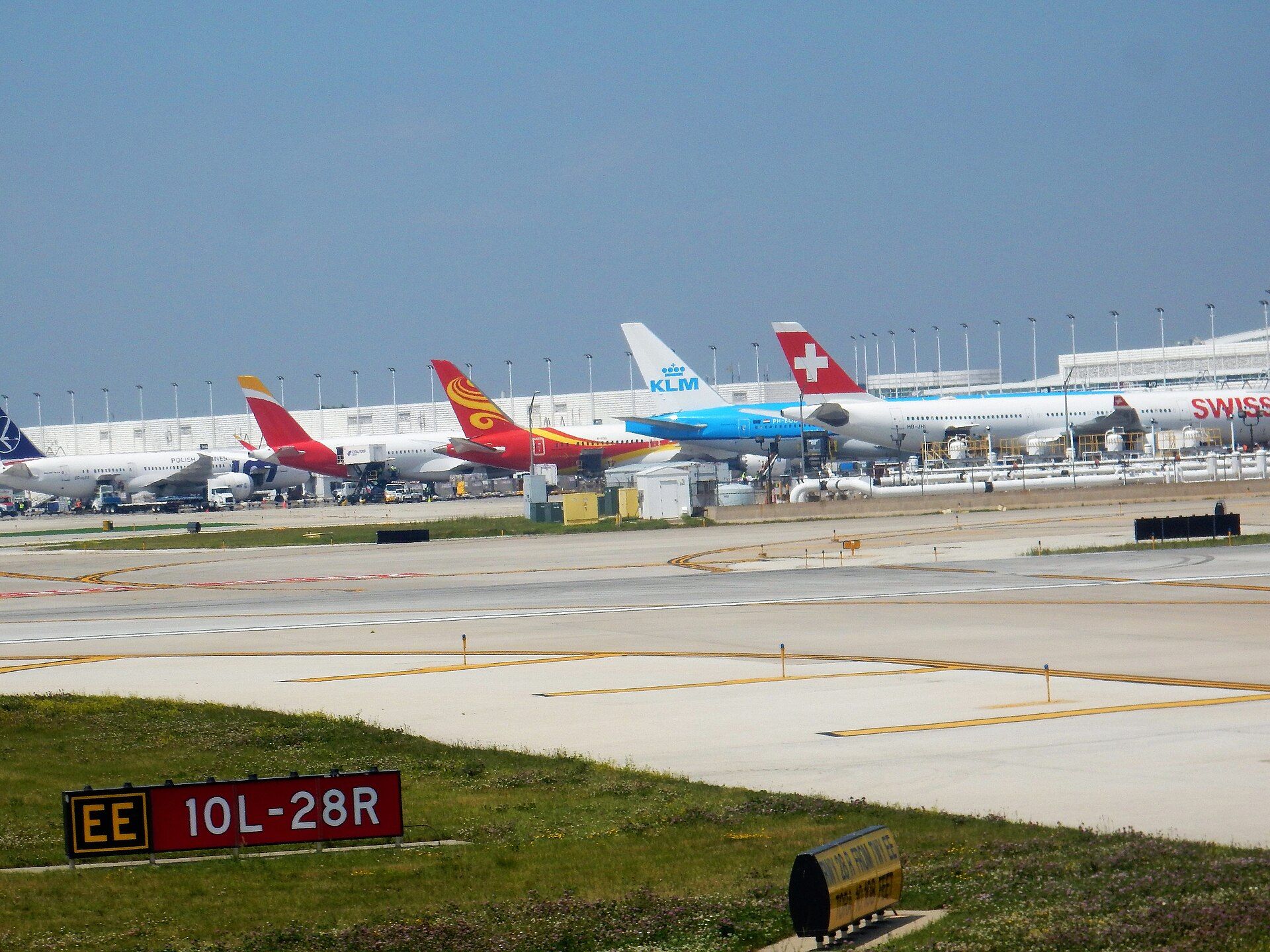
KLM Royal Dutch Airlines has marked a genuine milestone in its long and storied history, operating its first commercial Airbus A350 flight and immediately signalling that the aircraft is not being introduced as a niche or experimental addition. After an initial phase of five weekly rotations, the Dutch flag carrier is stepping the A350 up to daily transatlantic service, a clear vote of confidence in an aircraft that represents a decisive break from the airline's traditional widebody lineage.
The background here matters as much as the launch itself. For decades KLM's long-haul fleet has been built around Boeing platforms, with the 747, 777 and 787 forming the backbone of its intercontinental network. Introducing the A350 is therefore more than a fleet renewal exercise; it is a strategic recalibration. The A350 brings markedly better fuel efficiency per seat, lower noise and emissions footprints, and a cabin that allows KLM to refresh its premium and economy products in line with evolving passenger expectations. For an airline operating from Amsterdam Schiphol, where slot constraints and environmental scrutiny are persistent realities, those efficiency gains are not abstract benefits but operational necessities.
The key facts of the launch are straightforward but significant. The inaugural A350 flight has now operated, and the type is transitioning from a five-times-weekly rotation to a daily transatlantic schedule. That cadence matters because daily service is the commercial threshold at which an aircraft type becomes genuinely embedded in an airline's network rather than a showcase. It allows KLM to build consistent schedules, sell connections through its Schiphol hub with confidence, and generate the utilisation figures needed to justify further expansion. The airline has also indicated that Montreal and destinations in Africa are next in line for A350 deployment, suggesting a deliberate strategy of phasing the aircraft across a mix of mature transatlantic and emerging long-haul markets.
From an industry perspective, the move reinforces a broader trend that has been accelerating across Europe. Carriers including Air France, Lufthansa, Iberia and others have been steadily embracing the A350 as the centrepiece of their long-haul renewal, drawn by its economics on medium and long sectors and its flexibility across route types. KLM's decision to go daily so quickly after launch signals that the aircraft is meeting expectations on reliability and demand. It also places pressure on competitors operating older widebodies on comparable North Atlantic routes, where the A350's cost per available seat kilometre can translate into either sharper pricing or healthier margins.
The choice of Montreal and Africa as forthcoming destinations is instructive. Montreal is a mature, high-yield transatlantic market with strong business and diaspora ties to the Netherlands and wider Europe. African routes, by contrast, often involve longer sectors, variable demand profiles and infrastructure constraints where the A350's range and efficiency can open or sustain services that older aircraft struggle to make viable. Deploying the same type across both demonstrates the A350's versatility, a quality that has made it a favourite among network planners.
There are challenges, of course. Introducing a new type requires pilot training, simulator capacity, maintenance provisioning and spares logistics, and KLM will need to manage that ramp-up carefully alongside its existing Boeing fleet. Passenger communication will also matter, since the A350's cabin is a genuine selling point and the airline will want to market it accordingly.
Looking ahead, the outlook is positive. A daily transatlantic A350 operation gives KLM a credible platform for further expansion, and the anticipated Montreal and Africa deployments suggest the type will become increasingly visible across the network. If reliability holds and demand remains firm, the A350 looks set to become a defining aircraft for KLM's long-haul future, and the first flight will be remembered as the moment that transition began in earnest.
Comments (0)
No comments yet. Be the first to share your thoughts.