 Sky
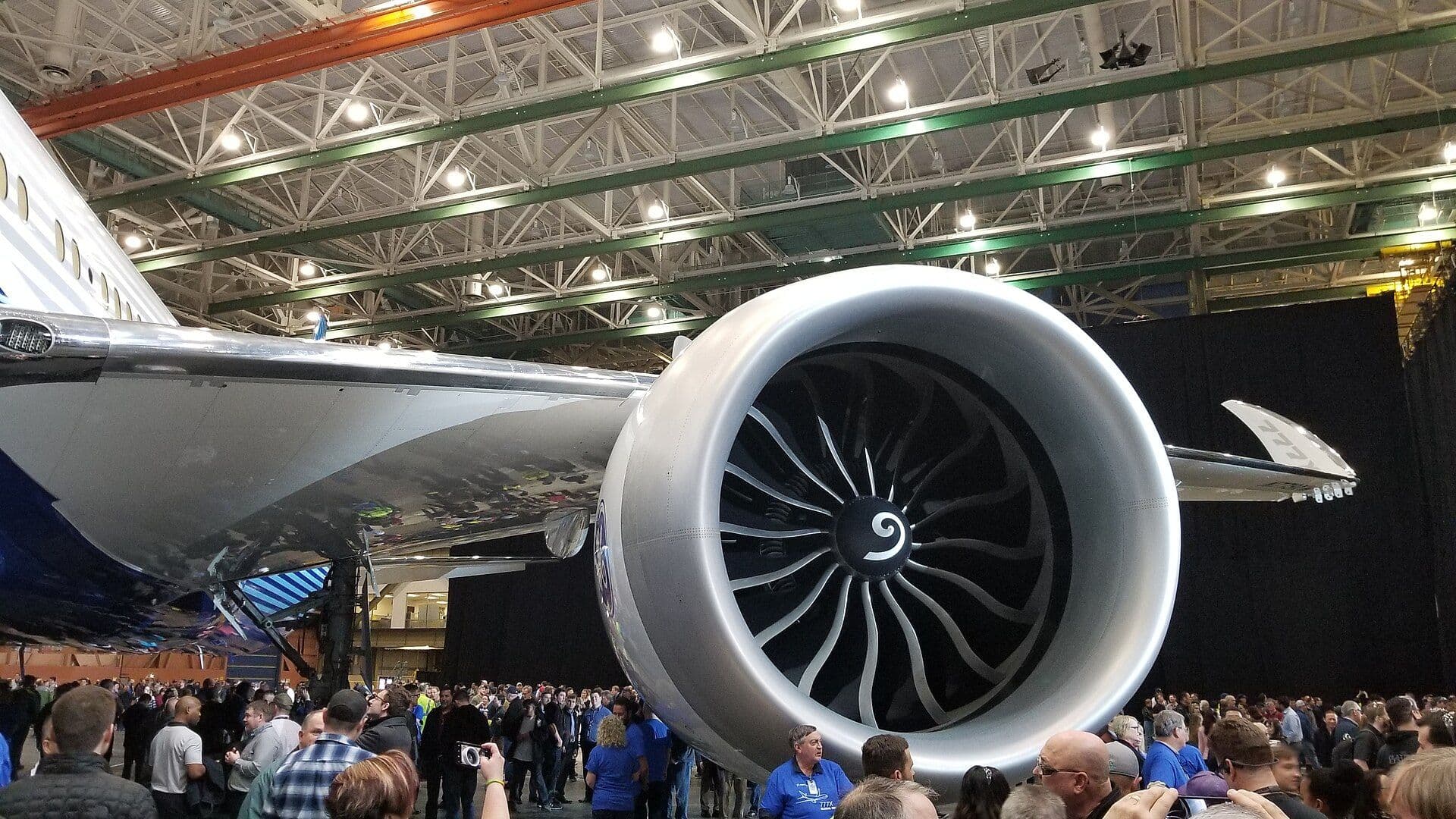
When General Electric set out to build the engine for Boeing's 777X, it was not aiming merely to compete. It was aiming to redefine what a commercial turbofan could do. The result, the GE9X, now holds the outright world record for jet engine thrust, a milestone that cements GE's dominance in the very large engine segment. Yet the most striking aspect of this achievement is that the headline figure is one passengers will almost certainly never experience in revenue service.
The record was established during ground testing, where the GE9X demonstrated a thrust level exceeding the previous benchmark held by its own predecessor, the GE90-115B, which had long been regarded as the most powerful commercial jet engine ever flown. The GE90 family, which powers the Boeing 777, had held that crown for roughly two decades, a testament to just how significant the new mark is. To surpass it, GE leaned on a suite of advances: a colossal 134-inch fan diameter, composite fan blades, a new high-pressure compressor, and a combustor designed to run hotter and more efficiently than anything before it.
The engineering context matters. Thrust records are not set casually. They are the product of years of design iteration, materials science, and exhaustive ground testing in facilities capable of absorbing enormous loads. The GE9X's fan alone is wider than the fuselage of many narrowbody airliners, and each blade is manufactured from carbon-fiber composites that are lighter and more durable than the titanium used in earlier generations. The engine's architecture is built around a bypass ratio that pushes efficiency to new heights, trading some raw core power for vastly improved fuel burn and lower emissions.
That trade-off is precisely why the record is somewhat academic in operational terms. The thrust figure certified for the engine as installed on the Boeing 777X is deliberately lower than the maximum the hardware can produce. Airlines do not need, and airports do not want, engines running at their absolute limit on every departure. Certification authorities set thrust ratings that balance performance against noise, emissions, and structural loads. In practice, the GE9X will be rated well below its demonstrated peak, meaning the record-setting power is a statement of capability rather than a routine operating condition.
The industry implications are nonetheless substantial. For GE, the record reinforces its position at the top of the large-engine market, a segment where it has historically battled Rolls-Royce and Pratt & Whitney. The GE9X is the only engine offered on the 777X, giving GE a captive position on Boeing's flagship widebody program. That exclusivity is commercially valuable, particularly as the 777X enters service and airlines look to replace aging 777-300ERs and Airbus A350 competitors with a more fuel-efficient option.
For Boeing, the engine is central to the 777X's promise of double-digit fuel savings over the aircraft it replaces. The GE9X's efficiency gains come from its high bypass ratio, advanced aerodynamics, and the ability to operate at very high temperatures. Those same attributes help the 777X meet increasingly stringent emissions and noise rules in Europe and elsewhere, a regulatory environment that has grown considerably tougher since the GE90 era.
There is also a broader signal here about the direction of propulsion. The record-breaking GE9X represents the practical ceiling of the conventional two-shaft, high-bypass turbofan architecture. Future gains are expected to come from open-fan designs, hybrid-electric concepts, and hydrogen combustion, all of which remain years from certification. In that sense, the GE9X may be remembered as the pinnacle of one era rather than the beginning of the next.
Outlook. The GE9X will enter service as the most powerful engine ever fitted to a commercial airliner, but its record thrust will remain largely a ground-test phenomenon. What matters operationally is its efficiency, its durability, and its dispatch reliability as the 777X ramps up. GE has secured a technical and marketing triumph; the real test will be whether the engine delivers on its promises in the demanding daily grind of long-haul airline operations. If it does, the record will be a footnote to a far more meaningful achievement.