 Sky
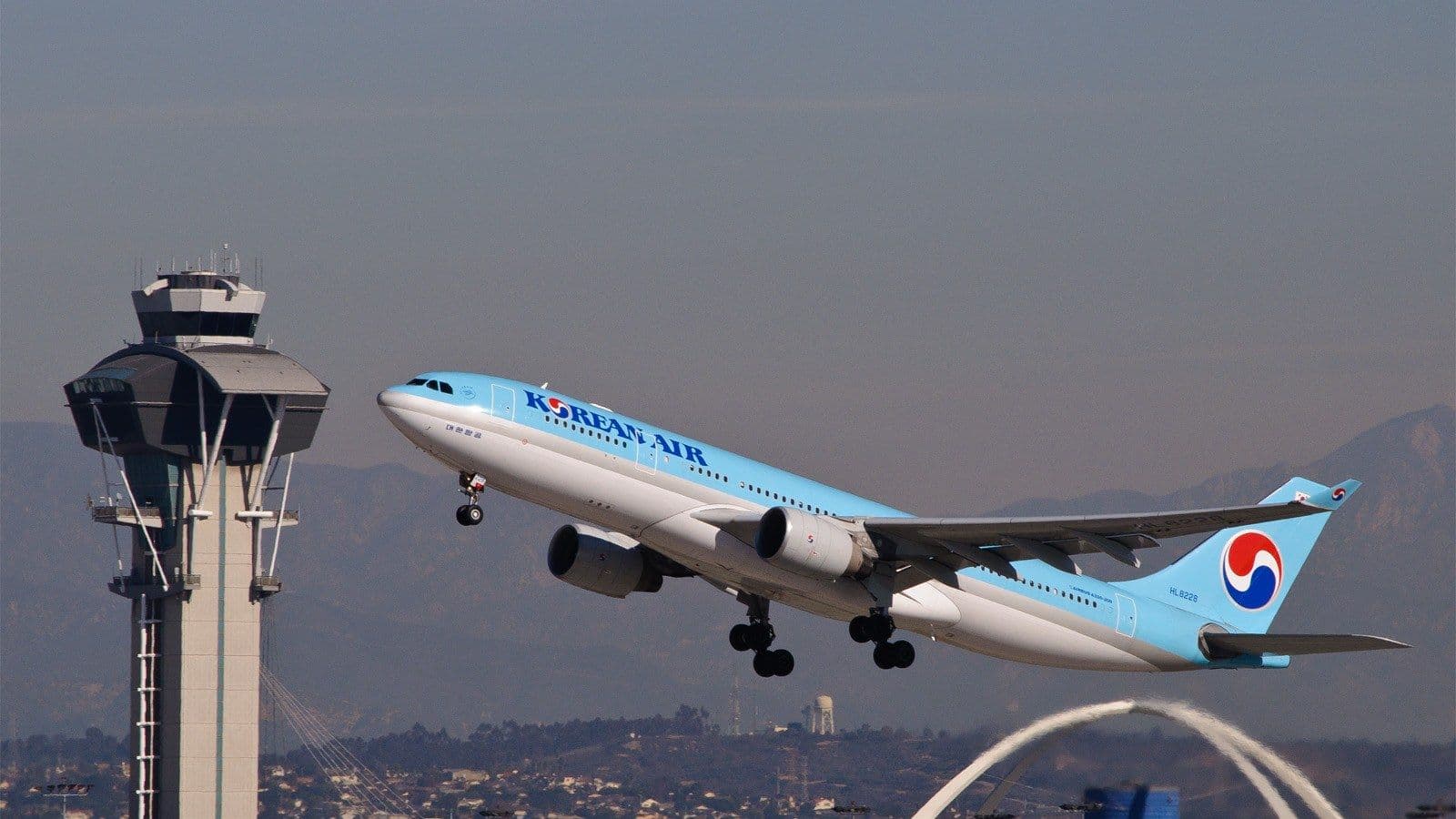
The consolidation of Korean Air and Asiana Airlines has been one of the most closely watched stories in Asia-Pacific aviation, and for good reason. When the two carriers are fully integrated, the resulting entity will rank among the largest airlines operating across the Pacific, with a network that stretches from Northeast Asia to North America and beyond. Yet among the many fleet decisions facing the merged group, none is more intriguing than what to do with its Airbus A380s. The two airlines together bring eleven superjumbos into the combined fleet, and while that number may sound modest by global standards, it would give the new carrier one of the larger A380 fleets in the world. The irony is that Korean Air, the acquiring partner, has made little secret of its desire to retire the type altogether.
The A380 story at the two airlines is a study in contrasts. Korean Air was an early and enthusiastic believer in the double-decker, ordering the aircraft as a flagship for its long-haul expansion and configuring its ten examples with a relatively premium-heavy layout. Its superjumbos have been deployed on high-demand routes to North America and Europe, where slot constraints at major airports made the aircraft's enormous capacity genuinely useful. Asiana, by contrast, operates a single A380, and its interior reflects a different philosophy. The aircraft is configured with a denser, more leisure-oriented cabin, and it has primarily served the carrier's busiest Pacific and Asian routes. Two airlines, one aircraft type, and yet the passenger experience and commercial logic behind each fleet could hardly be more different.
That divergence matters because the merger will force a reckoning. Korean Air has signaled that the A380 does not figure in its long-term plans, favoring smaller widebodies such as the Boeing 787 and the Airbus A350 for future long-haul growth. The economics are not hard to understand. Four-engine aircraft are expensive to operate, particularly in an era of volatile fuel prices, and the A380's size makes it difficult to fill profitably outside a handful of slot-constrained megahubs. Airlines around the world have retired their superjumbos at a rapid clip since Airbus closed the production line, and Korean Air has been candid that it intends to follow suit. Acquiring Asiana's lone example, therefore, does not change the strategic direction; if anything, it accelerates the countdown.
The industry implications extend beyond fleet planning. For passengers, the merger raises questions about product consistency. Korean Air's A380s are known for their premium cabins, including a well-regarded first class and a spacious business class on the upper deck. Asiana's single aircraft offers a different configuration and service standard. As the two brands are integrated, travelers can expect the combined carrier to rationalize cabins and routes, and the A380's days in the fleet are likely numbered. For competitors, the emergence of a larger Korean flag carrier across the Pacific could reshape capacity dynamics on routes between Northeast Asia and North America, though the retirement of the superjumbos may offset some of that growth by removing seats from the market.
There is also a broader lesson here about the A380's place in aviation history. The aircraft was a bold bet on hub-and-spoke economics at a time when the industry was beginning to favor smaller, more efficient twinjets and point-to-point flying. Korean Air's decision to order it reflected confidence in its hub at Incheon and in the power of volume on constrained routes. That logic was not wrong, but it has aged. The merger with Asiana arrives at precisely the moment when the superjumbo era is drawing to a close for most carriers, and the combined airline's eleven aircraft represent both the scale of the bet and the speed of its unwinding.
Looking ahead, the key question is timing. Korean Air is unlikely to retire its A380s overnight, given their role on high-density routes and the need to maintain capacity while new aircraft arrive. The integration of Asiana will take years, and fleet decisions will be phased accordingly. But the direction is clear: the merged carrier will be built around twin-engine widebodies, with the A380 serving as a transitional asset rather than a long-term pillar. For aviation enthusiasts, that makes the coming years a final chapter worth watching, as two very different superjumbo fleets converge under one flag before fading from the Pacific skies.