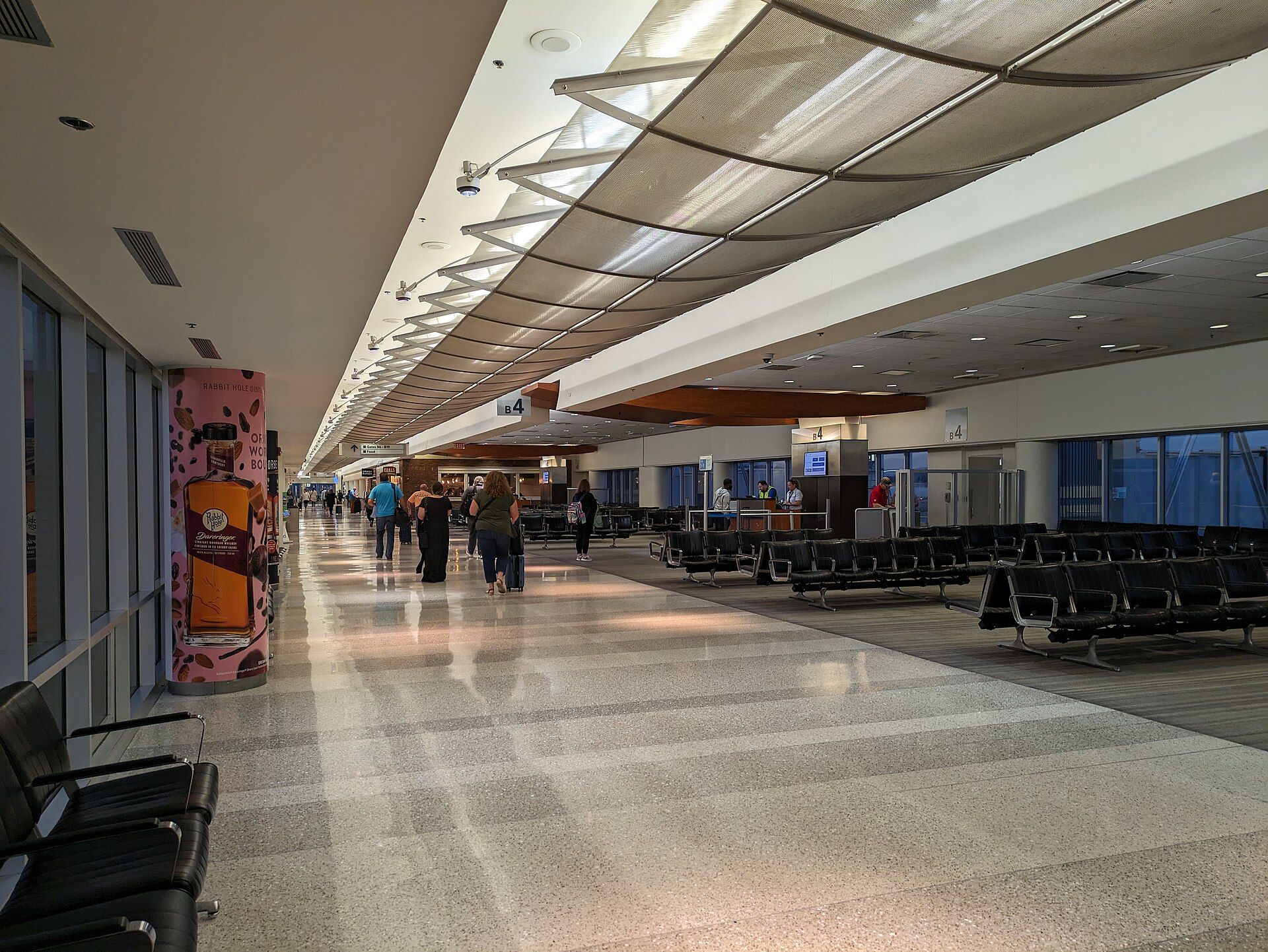
Louisville Muhammad Ali International Airport (SDF) has long been known as the world's third-busiest cargo airport, a title earned through its role as the global hub for UPS Worldport. But while the airport's cargo credentials are well-documented, a quieter transformation is underway: the construction of a $1 billion international passenger gateway that could redefine SDF's place in global aviation. The project, which has received relatively little fanfare outside Kentucky, is not a typical airport expansion. It is, in essence, a monetization of four decades of airfield overbuild that was originally designed to support cargo operations. This unique foundation allows SDF to pursue international passenger service without the crippling infrastructure costs that often stymie such ambitions at other airports.
The story begins in the early 1980s, when UPS selected Louisville as the site for its Worldport hub. To accommodate the massive sorting facility and the fleet of aircraft that would feed it, the airport invested heavily in runway and taxiway infrastructure. That investment was sized for the future, with runways long enough and strong enough to handle the largest cargo aircraft, and a layout that provided ample space for expansion. Over the decades, UPS's growth ensured that the airfield remained at the forefront of cargo aviation, but the passenger side of the airport lagged behind. SDF's passenger terminal, while functional, was never designed for significant international traffic. It lacked the customs and immigration facilities, the gate capacity, and the passenger amenities required to attract long-haul international carriers.
That is now changing. The centerpiece of the $1 billion project is a new international concourse, which will feature dedicated gates, a modern customs and border protection facility, and improved passenger flow. But what makes this project remarkable is that it does not require the construction of new runways or major airfield upgrades. The existing infrastructure, built to handle the weight and size of fully loaded 747-8F and 777F freighters, is more than capable of accommodating widebody passenger aircraft like the Boeing 787 Dreamliner or Airbus A350. In fact, the runways at SDF are among the longest and strongest in the region, a direct result of the cargo overbuild. This means the airport can focus its investment on the terminal and landside facilities, significantly reducing the overall cost and timeline.
The implications for the aviation industry are profound. For decades, the conventional wisdom has been that cargo and passenger operations are difficult to mix, with cargo hubs often located in secondary cities that lack the demand for international passenger service. SDF challenges that assumption. By leveraging its cargo infrastructure, the airport can offer airlines a compelling proposition: access to a well-maintained, uncongested airfield with ample capacity, at a fraction of the cost of expanding at a major passenger hub. This could attract not only international carriers looking for a new gateway to the American Midwest but also low-cost long-haul operators seeking to bypass crowded coastal airports. Moreover, the presence of UPS Worldport means that SDF already has a robust logistics ecosystem, which could be attractive to airlines looking to combine passenger and cargo operations.
From an industry perspective, the SDF project also highlights a broader trend: the increasing convergence of cargo and passenger aviation. As e-commerce continues to drive air cargo growth, airports that have historically been cargo-only are recognizing the value of diversifying their revenue streams. Passenger service offers higher margins and can help subsidize cargo infrastructure, while cargo operations provide a stable base of revenue that can weather economic downturns. SDF is not the first airport to attempt this balance—Memphis International Airport, another major FedEx hub, has a significant passenger operation—but the scale of the investment and the strategic use of existing infrastructure make it a notable case study.
For airlines, the new concourse at SDF could open up new route opportunities. Louisville is within a day's drive of major population centers like Cincinnati, Indianapolis, and Nashville, giving it a catchment area of millions. While it may not rival Chicago O'Hare or Atlanta Hartsfield-Jackson in terms of origin and destination traffic, it could serve as a convenient alternative for travelers in the region, particularly for international flights that would otherwise require a connection. The airport's central location in the eastern United States also makes it an attractive technical stop for long-haul flights, although modern aircraft with extended range have reduced the need for such stops.
Looking ahead, the success of SDF's passenger gateway will depend on several factors. First, the airport must attract airlines willing to commit to new international routes. This will require aggressive marketing and potentially incentives, such as reduced landing fees or revenue guarantees. Second, the passenger experience must be competitive with other airports; travelers used to the amenities of larger hubs will expect similar offerings. Third, the airport must manage the delicate balance between cargo and passenger operations, ensuring that the growth of one does not impede the other. If successful, SDF could become a model for other cargo-centric airports looking to expand their passenger footprint. It could also strengthen Louisville's position as a global logistics hub, attracting new businesses and tourism. The $1 billion bet is a bold one, but it is grounded in a pragmatic assessment of the airport's unique assets. In an industry where infrastructure costs often run into the billions for a single runway, SDF's ability to repurpose its cargo overbuild is a rare advantage. As the project moves forward, the aviation world will be watching closely to see if this quiet cargo giant can make a successful leap into the international passenger arena.
Comments (0)
No comments yet. Be the first to share your thoughts.