 Sky
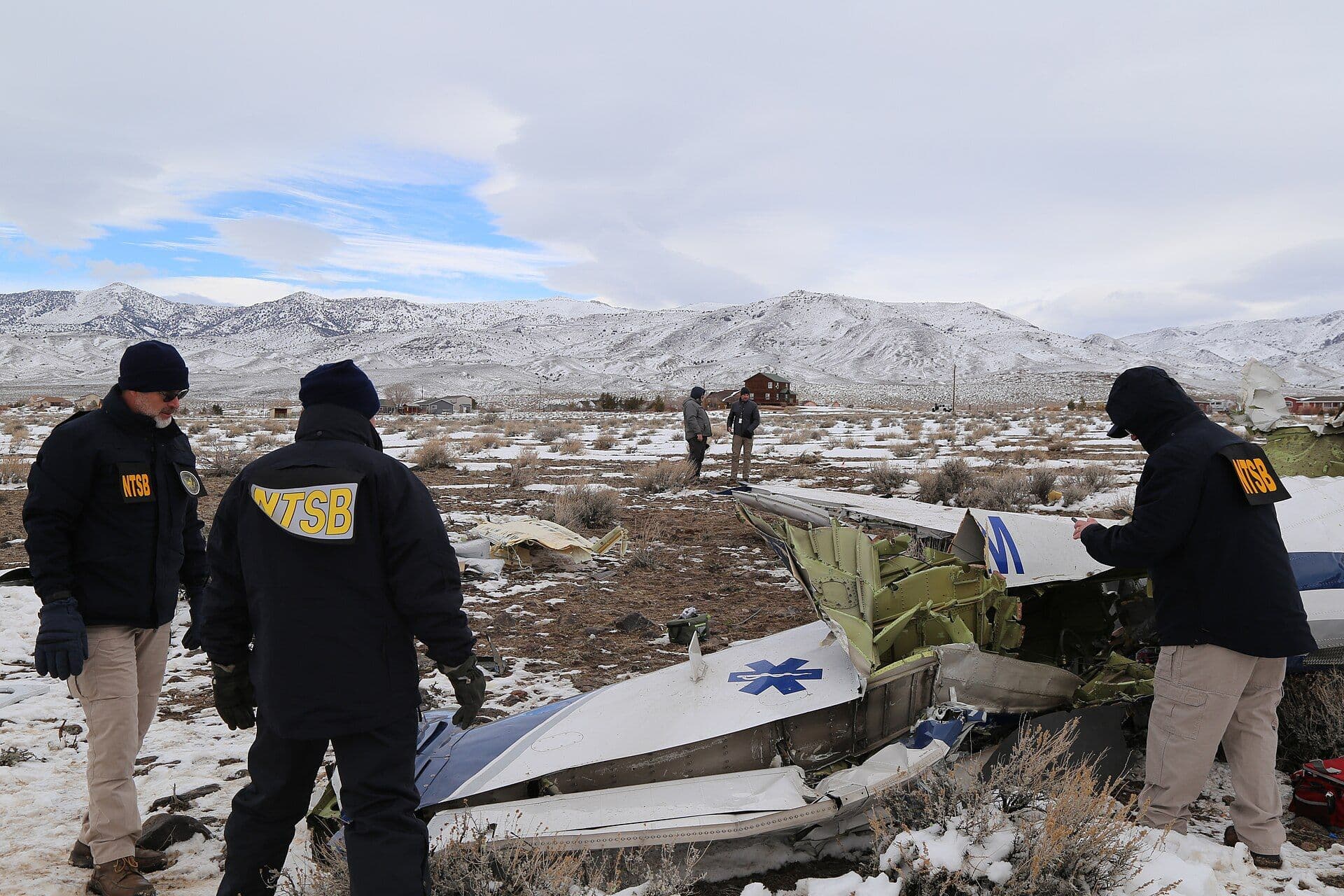
The National Transportation Safety Board has concluded that a Southwest Airlines Boeing 737 MAX flew dozens of revenue flights carrying structural damage that went undetected for more than a week, setting the stage for a Dutch roll event that has renewed scrutiny of how airlines inspect aircraft after severe weather. The findings, detailed in the board's investigation, describe a chain of missed opportunities in which violent winds inflicted damage on the jet's vertical stabilizer and rudder assembly, yet the defect survived both routine and post-storm checks until it manifested in flight.
The sequence began when the aircraft was parked and exposed to extreme wind conditions. According to the NTSB, the forces involved were strong enough to damage the airplane's empennage — the tail section that provides directional stability — in ways that were not immediately obvious to ground personnel. The jet was subsequently returned to service, and over the following nine days it completed approximately 44 flights before the crew encountered the Dutch roll, a coupled oscillation in which the aircraft yaws and rolls simultaneously. Dutch roll is a known aerodynamic phenomenon, but when it occurs unexpectedly or with unusual severity it can be difficult to control and, in extreme cases, poses a genuine safety risk.
The board's central finding is that the damage should have been detected. Investigators pointed to gaps in the inspection process following the wind event, concluding that the checks performed were not sufficient to identify the hidden structural compromise. That the aircraft operated 44 times without incident before the anomaly appeared underscores how such defects can remain latent, masked by the aircraft's design margins and the fact that damage to control surfaces and tail structures may not produce obvious external indications.
The implications extend well beyond a single airframe. For Southwest, one of the world's largest 737 MAX operators, the case invites questions about post-storm inspection protocols and the training and documentation that support them. For the broader industry, the NTSB's findings reinforce a persistent theme in aviation safety: the most dangerous defects are frequently the ones that inspections are not specifically designed to catch. Regulators have increasingly emphasized risk-based oversight and the importance of verifying that maintenance programs account for environmental hazards such as severe wind, hail, and lightning, not merely routine wear.
The timing is also notable. The 737 MAX family has spent years under intense public and regulatory scrutiny following the fatal crashes in 2018 and 2019, and every subsequent incident involving the type attracts outsized attention. While this event is a maintenance and inspection matter rather than a design flaw, it feeds a broader narrative about the margin for error in modern airline operations and the diligence expected of carriers entrusted with highly complex aircraft.
There are operational lessons as well. Dutch roll events are rare in commercial service, and crews train for them, but an unanticipated onset tied to underlying structural damage is a different problem than a textbook aerodynamic upset. The NTSB's report implicitly raises the question of whether flight crews and maintenance teams have enough shared situational awareness when an aircraft has been exposed to extreme conditions on the ground.
Looking ahead, the likely outcome is a push for clearer guidance on post-storm inspections, tighter documentation of wind events at airports, and possibly revised maintenance procedures for tail structures on narrowbody fleets. The FAA and operators will be expected to review whether existing checks are adequate or whether they were written for a different era of weather severity. For Southwest, the priority will be demonstrating that the gap has been closed. For passengers and regulators alike, the case is a reminder that airworthiness is not only a function of engineering excellence but of the disciplined, sometimes unglamorous work of inspection — and that a missed check can travel quietly for 44 flights before it announces itself.