 Sky
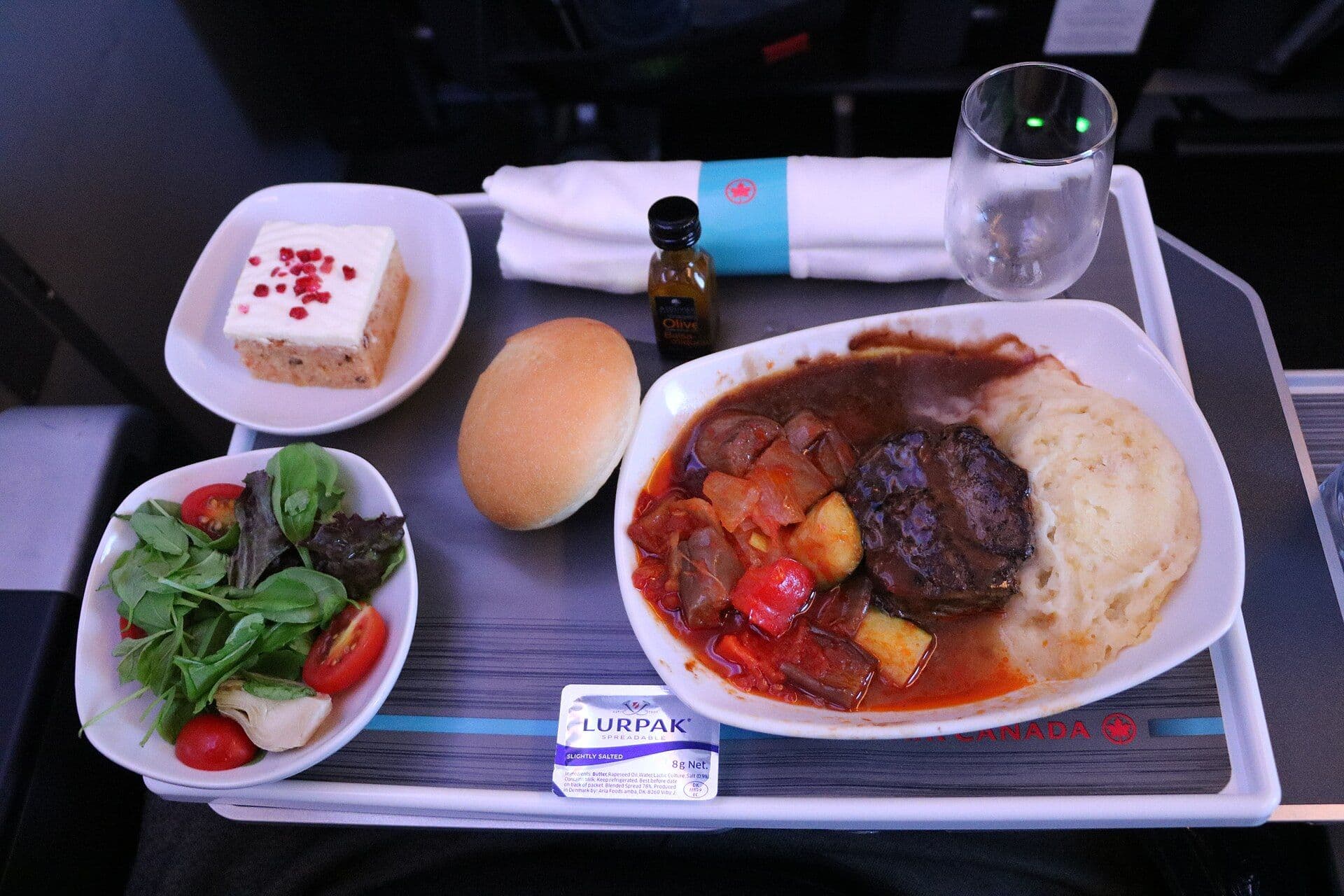
For years, premium economy was treated as a long-haul instrument: a bridge between the cramped realities of coach and the flat-bed economics of business class, deployed on routes long enough to justify the extra spend. That assumption is quietly eroding. A cluster of airlines now offers a genuine premium economy product on sectors shorter than six hours, and the trend says as much about shifting passenger behavior as it does about airline revenue strategy.
The logic behind the long-haul bias was straightforward. Premium economy earns its keep when the alternative is ten hours of discomfort. On a three-hour hop, the incremental comfort is measured in inches and minutes, and carriers historically preferred to monetize short-haul demand through extra-legroom seats, priority boarding bundles, and buy-on-board catering rather than a distinct cabin. What has changed is the willingness of travelers to pay for a materially better experience even on brief journeys, and the emergence of aircraft and seat designs that make a dedicated short-haul premium cabin economically viable.
According to reporting by Simple Flying, six airlines now stand out for offering premium economy on flights under six hours. The specifics vary considerably. Some carriers operate a true, separately branded premium economy cabin with wider seats, enhanced meal service, and dedicated check-in. Others blur the boundary, offering a hard product that resembles a domestic first or business seat but is marketed and priced as premium economy. This definitional fuzziness is itself a story: the industry has never fully settled on what premium economy means, and short-haul deployment exposes that ambiguity.
The strategic rationale differs by region and business model. Full-service network carriers use short-haul premium economy as a loyalty tool, a way to reward frequent flyers who cannot justify business class on a two-hour sector but expect recognition beyond a free drink. Leisure-oriented carriers see it as ancillary revenue with attractive margins, since the seat occupies space that would otherwise generate only a standard fare. In markets where business travel has been slow to recover or has been permanently reshaped by video conferencing, premium economy on short sectors also fills a gap left by shrinking corporate demand for short-haul business class.
Aircraft economics underpin the shift. Narrowbody cabins configured with a convertible premium section allow airlines to dial capacity up or down according to demand, route, and season. On high-yield trunk routes, a handful of premium rows can lift revenue meaningfully without sacrificing too many standard seats. The arrival of longer-range narrowbodies and more sophisticated cabin interiors has made it easier to install a product that feels genuinely premium rather than merely a reclined economy seat with a curtain.
The passenger proposition is compelling but uneven. Travelers report that the value of short-haul premium economy hinges on the details: lounge access, baggage allowances, meal quality, and the width of the seat. Where carriers deliver a coherent bundle, uptake is strong. Where the product amounts to extra legroom with a new name, customers notice quickly, and the premium evaporates. This is the central risk of the trend. Premium economy commands a price premium only if the experience is unmistakably different, and on a ninety-minute flight the window for that differentiation is narrow.
There are competitive implications too. Low-cost carriers have spent two decades teaching passengers to unbundle, and their extra-legroom products have captured much of the short-haul comfort market. Full-service airlines offering a branded premium economy are, in effect, competing for the same wallet with a more structured and expensive proposition. Whether travelers prefer a la carte legroom or an all-in premium cabin will shape how quickly the segment expands.
For airports, the trend has modest but real consequences. Dedicated premium check-in and faster security pathways become differentiators on short routes, and lounge operators benefit when premium economy fares include access. For aircraft manufacturers, it reinforces demand for flexible cabin configurations and lightweight premium seats that do not erode narrowbody economics.
Looking ahead, the short-haul premium economy segment looks likely to grow rather than retreat. Passenger expectations have been reset by years of long-haul premium products, and airlines are discovering that the willingness to pay for comfort does not switch off at the six-hour mark. The winners will be those that resist the temptation to rebrand extra legroom as a cabin and instead deliver a genuinely differentiated experience, priced sensibly and consistently across the network. The losers will be those that mistake a curtain and a better sandwich for a product. On short routes, passengers have less time to be impressed, and even less patience for a premium that exists mainly on the fare screen.