 Sky
Sky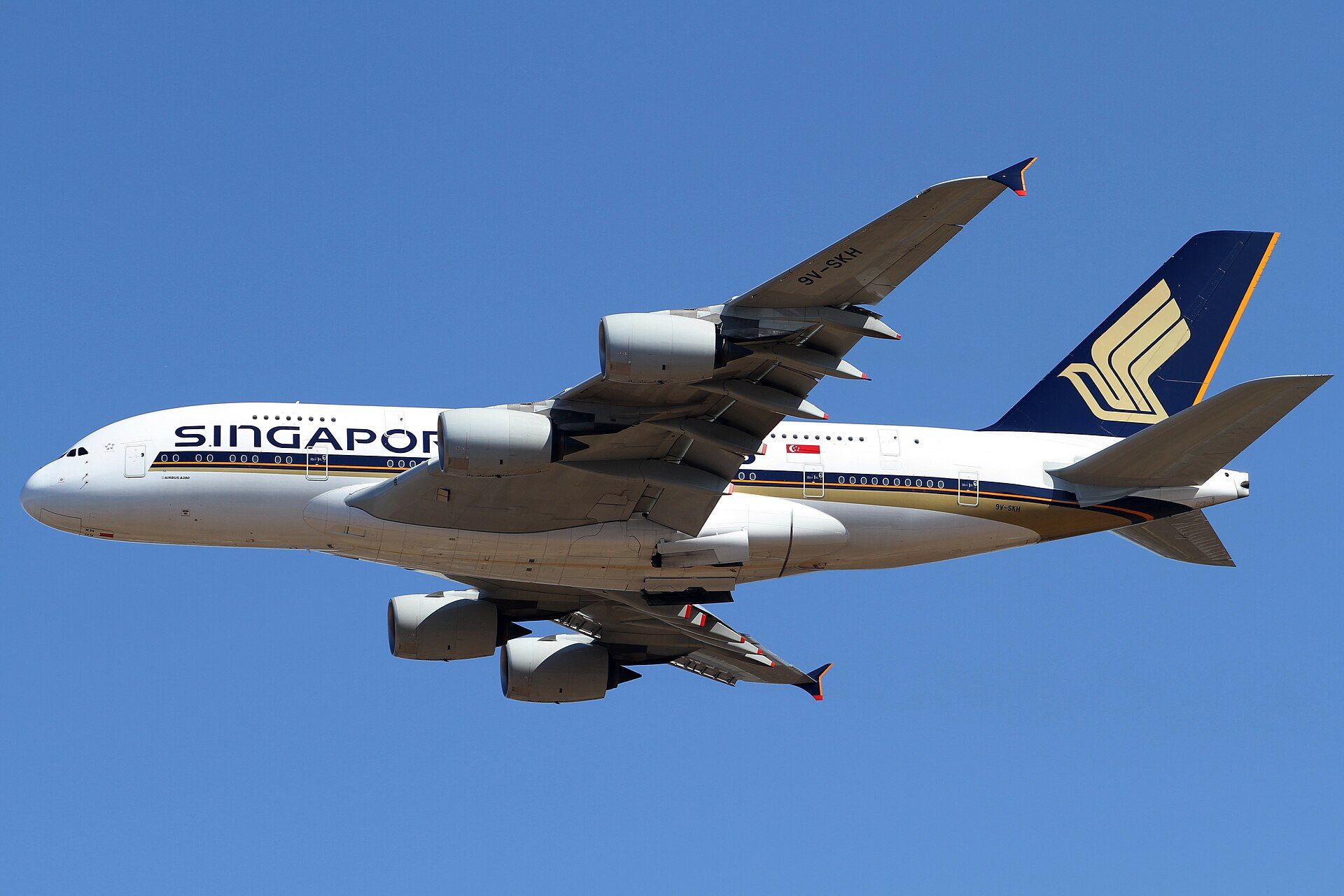
Few awards in commercial aviation carry as much weight with travellers as the annual Skytrax World Airline Awards, and the 2026 edition has delivered a result that will resonate well beyond the premium cabins. Singapore Airlines has risen two places to be named the world's best economy class airline, displacing the incumbent and reinforcing a broader truth about modern air travel: the back of the aircraft is no longer an afterthought.
The result is notable for several reasons. Singapore Airlines has long been synonymous with cabin service excellence, but its economy product has often been overshadowed by its celebrated business and first class offerings. To top the economy category is a recognition that the carrier's investment in seat comfort, meal quality, inflight entertainment and, crucially, consistency of service across its widebody fleet has registered with passengers on the routes where the majority of them actually sit.
Skytrax rankings are built on large-scale passenger surveys covering dozens of touchpoints, from seat width and legroom to cabin cleanliness, crew attentiveness and the quality of catering. Winning the economy category therefore reflects a holistic passenger experience rather than a single headline feature. In an era when airlines have raced to densify cabins and monetise every ancillary, a win built on the fundamentals of comfort and service sends a clear signal to the industry.
The timing is instructive. Economy class has been the battleground on which the post-pandemic recovery has been fought. Carriers have wrestled with rising fuel costs, supply chain constraints on new aircraft deliveries and intense competition on long-haul routes. Many responded by squeezing seat pitch and unbundling services. Singapore Airlines' approach, by contrast, has been to protect the core product while layering premium economy and other upsell options above it. That strategy appears to have paid off in the eyes of travellers.
The wider ranking also highlights the strength of Asia-Pacific and Gulf carriers in the economy segment, where long-haul networks and modern fleets give them an edge in delivering consistent comfort over sectors that can stretch beyond twelve hours. European and North American carriers continue to feature, but the top of the table remains dominated by airlines whose business models depend on moving large volumes of passengers across great distances with a service standard that justifies a fare premium.
For passengers, the practical takeaway is that the gap between the best and the rest in economy remains wide. Seat pitch, meal quality and crew service vary enormously between carriers operating the same routes, and award rankings remain a useful, if imperfect, guide. Travellers booking long-haul economy would do well to weigh these factors alongside price, particularly on routes where a few inches of legroom and a better meal can transform a gruelling journey.
For the industry, the result is a reminder that reputation is built in the cabin passengers occupy most. Airlines that treat economy as a pure cost centre risk losing the loyalty of the very travellers who sustain their networks. Those that invest in the back cabin, even modestly, can differentiate themselves in a crowded market.
Looking ahead, the competition is unlikely to ease. New aircraft deliveries, including the latest widebody generations, will give carriers the opportunity to redesign economy cabins with improved lighting, larger screens and more efficient layouts. Whether those improvements translate into genuine passenger comfort or merely more seats per row will be one of the defining questions of the next few years.
Singapore Airlines' 2026 accolade is, in that sense, both a reward and a benchmark. It confirms that excellence in economy is achievable and commercially sensible, and it sets a standard that rivals will now be under pressure to match. For travellers, that competition can only be welcome.
Comments (0)
No comments yet. Be the first to share your thoughts.