 Sky
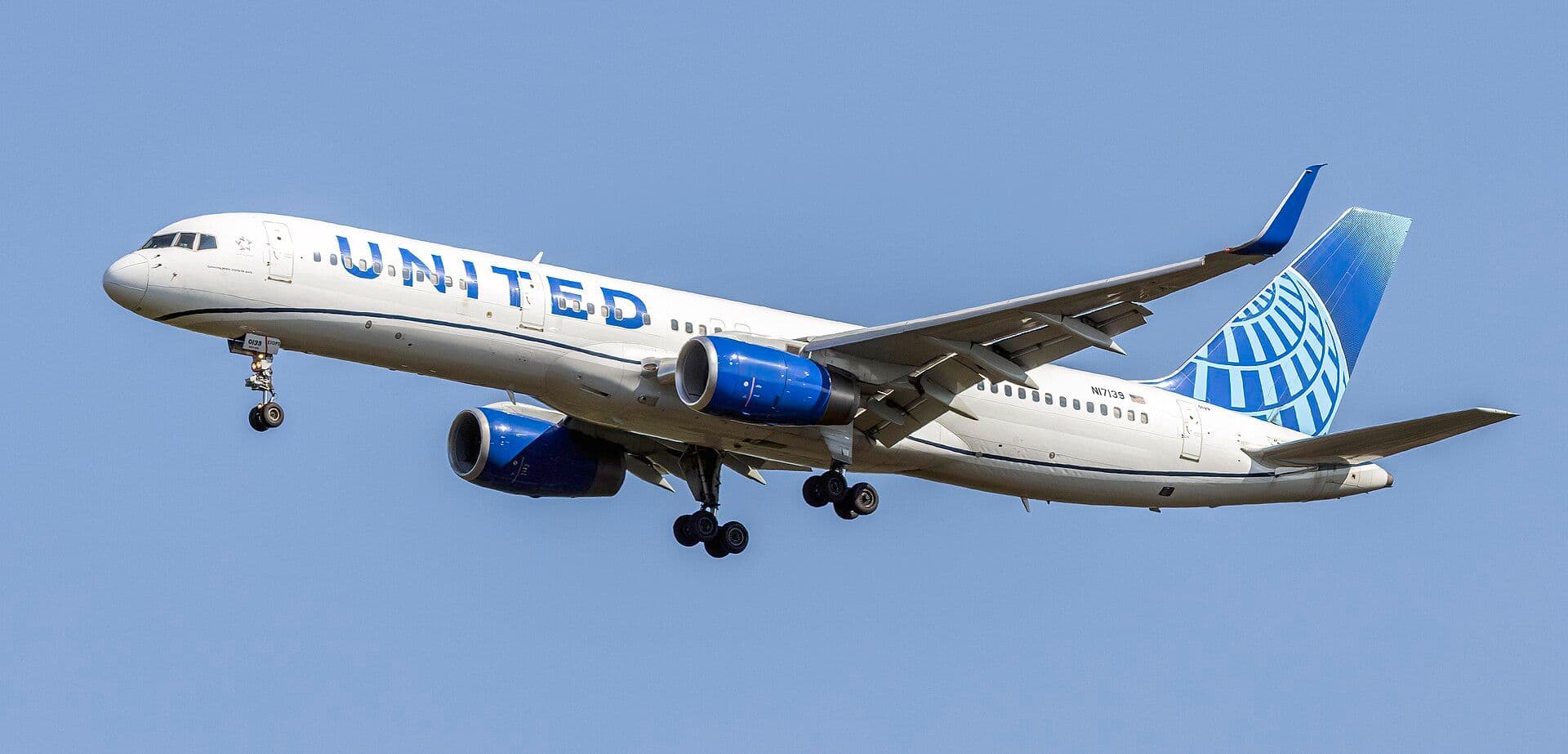
The words "mayday, mayday, mayday" carry a weight in aviation that few other phrases can match. They signal that an aircraft commander believes a situation has escalated beyond the ordinary vocabulary of air traffic control. So when a United Airlines Boeing 757 crew declared a mayday at San Francisco International Airport after aborting an approach with fuel running low, the event deserved more than a passing headline. It offered a window into how quickly a routine arrival can narrow into a genuine emergency, and how the layered defenses built into commercial aviation are designed to catch a crew before the situation becomes unrecoverable.
The sequence of events, as reported, is straightforward but instructive. The 757 was on approach to SFO when the crew judged the approach unstable and elected to go around. That decision, in isolation, is exactly what training demands. Stabilized approach criteria exist precisely so that crews abandon an arrival that is not meeting parameters on speed, glidepath, configuration, or sink rate. Going around is the conservative choice, and it is one crews make thousands of times a year without incident. The complication here was fuel: the aircraft was already running low, and the go-around consumed additional time and kerosene that the flight plan had not budgeted for. With reserves tightening, the crew escalated to a mayday, which prioritizes the flight for handling and clears the way for expedited sequencing and any assistance the airport can provide.
San Francisco is a particularly demanding environment for this kind of scenario. Its closely spaced parallel runways, its proximity to water, and the marine layer that frequently rolls across the field combine to produce approaches that can destabilize late and without much warning. Weather can shift the wind and the visibility in the final miles, and the airport's layout leaves relatively little room for extended maneuvering close in. A crew that goes around at SFO is not simply rejoining a long final over open countryside; it is entering a busy, constrained traffic picture where every minute of delay has a fuel cost.
The Boeing 757 itself is worth noting. Though no longer in production, it remains a workhorse on domestic trunk routes and transcontinental services, prized for its range and payload capability relative to its size. It is a capable aircraft with solid fuel performance, but like any twinjet it is bound by the same reserve logic as the rest of the fleet. The mayday declaration was not a sign of mechanical failure or a failing airframe; it was a sign of a crew managing a shrinking margin and choosing to communicate that clearly.
For the industry, the episode reinforces several durable lessons. First, fuel planning is not a formality. Dispatch releases build in contingency fuel, alternate fuel, final reserve, and, where appropriate, additional fuel for expected conditions. Those layers are designed to absorb the unexpected, including a go-around. When a crew finds itself declaring an emergency for fuel, it usually means multiple small deviations have stacked up: perhaps a longer routing than planned, more headwind than forecast, a departure delay, or a single go-around that tipped the balance. Regulators and operators track these events closely because they are leading indicators of systemic pressure on fuel margins.
Second, the event underscores the value of crew resource management. Declaring a mayday is a judgment call, and it is one that some crews historically hesitated to make for fear of paperwork, scrutiny, or perceived overreaction. Modern safety culture has worked hard to remove that stigma. A mayday for low fuel is a textbook example of a crew using the available vocabulary to buy priority and safety rather than waiting until the situation becomes dire. Air traffic controllers, for their part, treat such declarations with immediate urgency, clearing airspace and offering vectors and priority landing.
Third, it is a reminder that go-arounds, while routine, are not free. Every aborted approach has a cost in time, fuel, and traffic disruption. That is why stabilized approach criteria are enforced so rigorously and why crews are trained to make the go-around decision early rather than trying to salvage an approach that is drifting out of parameters. The earlier the decision, the more options remain available.
Looking ahead, the industry's focus will remain on the data. Investigators and the airline will review the flight's fuel figures, the weather at the time, the routing and any delays, and the crew's decision-making timeline. The findings will likely feed into recurrent training and dispatch planning guidance, as they do after every such event. The broader trend in commercial aviation has been toward tighter fuel efficiency and more precise planning, which makes the discipline of reserve management more important than ever. The United 757 crew's mayday was not a failure of the system but a demonstration of it working: a crew recognized a deteriorating margin, used the strongest phrase available, and brought the aircraft safely to the ground. That is precisely what the training is for.