 Sky
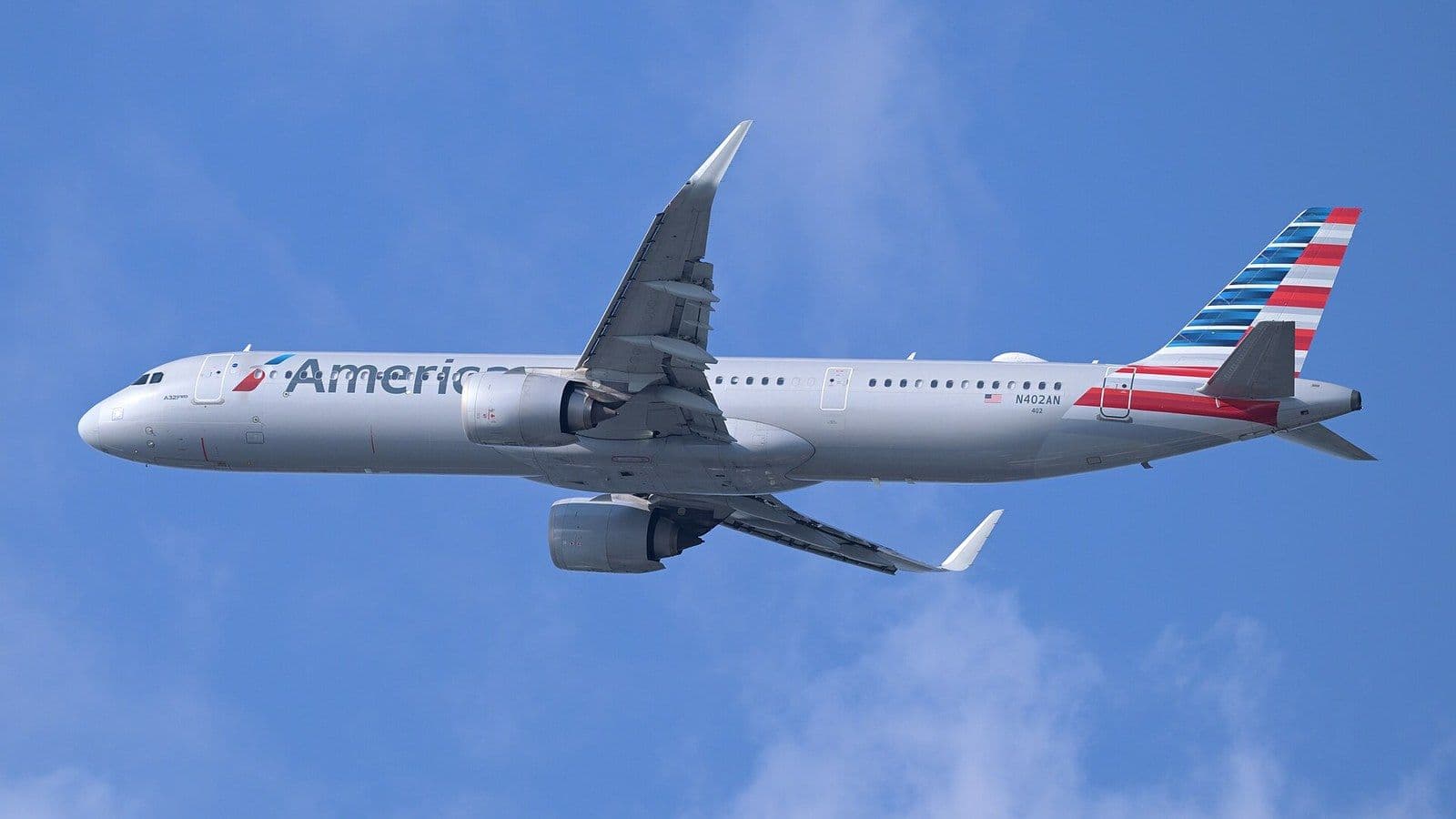
American Airlines has quietly crossed a significant threshold in its narrowbody modernization effort, confirming that its Airbus A321neo fleet now stands at 90 aircraft. The Fort Worth-based carrier expects to close out the year with only three additional A321-family deliveries: two more A321neos and a single A321XLR. The numbers are modest on their face, but they carry outsized significance for how American is positioning its fleet for the next decade.
The A321neo has become the backbone of American's premium narrowbody operations. Configured with a dense but differentiated cabin, the type allows the airline to deploy a single aircraft family across transcontinental routes, high-demand domestic trunk lines, and select leisure markets that previously demanded larger widebody capacity. Reaching 90 airframes means the A321neo is no longer a growth experiment for American; it is core fleet. That matters for scheduling flexibility, crew commonality, and maintenance economics, all of which compound as fleet count rises.
The background here is a familiar one across the US industry. American placed its A321neo order as part of a broader strategy to replace aging Boeing 757s and older Airbus A321ceos, aircraft that had become increasingly expensive to operate and difficult to support as the 757's global population shrank. The A321neo offered a credible 757 replacement in range and capacity while slotting into an Airbus narrowbody ecosystem American already understood well. The aircraft's fuel efficiency and range have since allowed the carrier to experiment with routes that would have been marginal with older equipment.
The most interesting detail in the disclosure is the single A321XLR expected before year's end. The XLR, Airbus's ultra-long-range A321 variant, is designed to open transatlantic and long-thin routes to narrowbody economics. American has been among the most prominent US customers for the type, and even one aircraft entering the fleet is operationally meaningful: it allows the airline to validate cabin configuration, crew training, and route planning ahead of a broader XLR ramp-up. Industry observers will be watching closely to see which markets American assigns to its first XLR, since that decision will signal how aggressively it intends to use narrowbodies on routes historically served by widebodies.
The broader industry implication is a fleet strategy in transition. American's Airbus order book is thinning, and the carrier has made no secret of its intention to lean heavily on Boeing for future narrowbody growth, particularly the 737 MAX 10, whose certification timeline has been a persistent source of uncertainty. The result is a carrier with a large and maturing Airbus fleet, a shrinking near-term Airbus delivery stream, and a Boeing-dependent growth path that remains exposed to regulatory timing. That asymmetry is a risk worth flagging. If MAX 10 certification slips further, American's ability to upgauge domestic capacity and replace older aircraft could be constrained precisely when demand and competitive pressure require otherwise.
There is also a supply-chain dimension. Airbus's own delivery cadence has been affected by engine and component shortages across the industry, and the modest year-end tally reflects a broader reality: aircraft are arriving more slowly than order books suggest. For American, the practical consequence is that fleet planning must be more conservative, with retirement schedules and capacity growth calibrated to what actually shows up on the ramp rather than what was contracted years ago.
Looking ahead, the 90-aircraft milestone is best read as the closing chapter of one fleet program rather than the opening of another. The A321neo will remain central to American's domestic and premium-transatlantic proposition for years, and the XLR will determine how far that proposition can stretch. But the next phase of growth hinges on Boeing. How quickly the MAX 10 arrives, and in what numbers, will shape American's narrowbody capacity through the late 2020s. For now, the airline is consolidating a fleet it knows well, adding capability at the margin, and keeping its options open. In a period defined by delivery uncertainty, that prudence may prove to be the most valuable asset of all.