 Sky
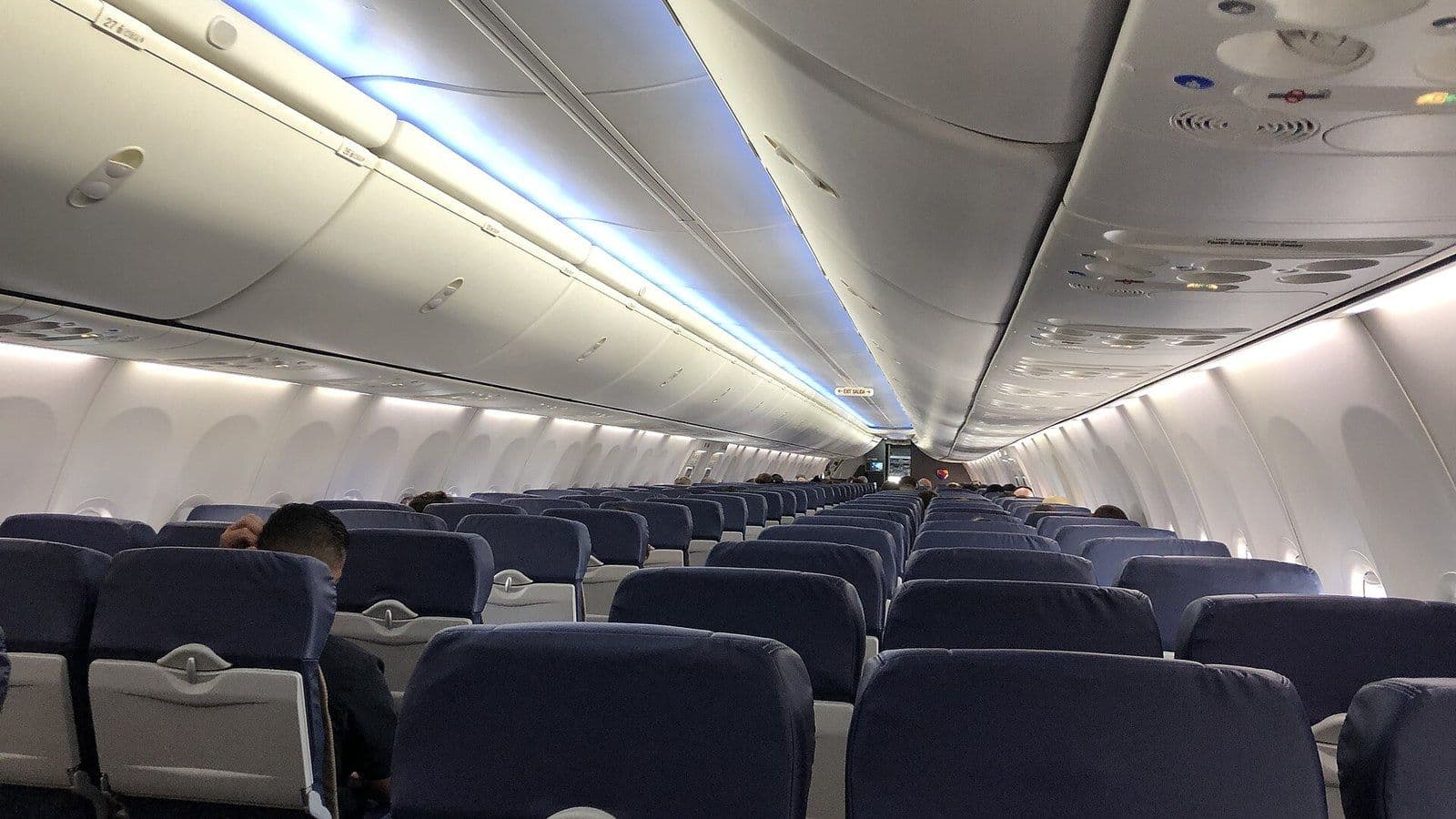
Southwest Airlines has spent more than half a century cultivating a deliberately contrarian identity. No assigned seats, no premium cabin, no bag fees, and a fleet of uniformly configured Boeing 737s have long functioned as both an operating philosophy and a marketing promise. That promise, however, is under strain. The question now circulating through Dallas headquarters and industry boardrooms is no longer whether Southwest might redesign its cabin, but how soon a premium product becomes unavoidable.
The background matters. Southwest's model was engineered for a different era of domestic travel, one in which frequency, simplicity, and friendly service could reliably win the leisure and small-business traveler. A single cabin kept turnaround times short, simplified crew scheduling, and allowed the airline to sweat every seat on every aircraft. It was a masterclass in operational discipline, and for decades it delivered profits that rivals envied.
But the competitive landscape has shifted. Legacy carriers have aggressively segmented their cabins, selling premium economy, extra-legroom, and first class products to travelers willing to pay for comfort. Ultra-low-cost rivals have captured the most price-sensitive flyers. Southwest now finds itself squeezed in the middle, with a product that is neither the cheapest nor the most comfortable. Its once-legendary differentiation has been eroded by rivals who copied the free-bag and no-change-fee playbook while keeping their premium cabins intact.
The key facts point in one direction. Southwest has already signaled a willingness to break with orthodoxy, moving toward assigned seating and introducing extra-legroom options on its aircraft. Those changes represent a philosophical crack in the single-class wall. Once an airline accepts that not all seats are equal, the logic of a true premium cabin becomes difficult to resist. Industry observers note that the revenue potential from a handful of premium rows on a high-frequency 737 network is substantial, particularly on long-haul domestic routes where business travelers are abundant and willing to pay.
There is also a fleet dimension. Southwest operates an all-Boeing 737 fleet, and the aircraft's cabin flexibility makes a premium configuration technically straightforward. The carrier's incoming 737 MAX deliveries offer a natural window to introduce a new interior without the disruption of a mixed-fleet retrofit. Timing a cabin change to coincide with fleet renewal is standard practice, and Southwest's order book gives it precisely that opportunity.
The industry implications are considerable. A premium cabin at Southwest would ripple across domestic pricing, forcing legacy carriers to defend their premium revenue and pressuring low-cost rivals who have no such product. It would also reshape Southwest's labor agreements, crew training, and airport operations, all of which have historically been optimized for a single cabin. Perhaps most significantly, it would mark the final unraveling of the low-cost carrier template that Southwest itself invented, a template that has been steadily eroded by ancillary fees, assigned seating, and now the prospect of a front-of-cabin product.
Skeptics argue that Southwest's brand equity rests on simplicity and that adding complexity risks alienating its core customer. That concern is legitimate, but it misreads the direction of the market. Travelers have shown repeatedly that they will pay for legroom, priority boarding, and a quieter seat, and Southwest's most loyal customers are not immune to that calculus. The airline can preserve its friendly, egalitarian culture while still monetizing the front rows.
The outlook, then, is less a matter of principle than of arithmetic. Southwest has already conceded that its cabin can be segmented. The remaining questions are about pace and packaging: whether it launches a formal first class or a more modest premium offering, and whether it moves ahead of or behind its competitors. Given the revenue pressure, the fleet renewal window, and the steady erosion of its low-cost distinctiveness, a premium cabin looks less like a thought experiment and more like an inevitability. The only real uncertainty is how gracefully Southwest manages the transition from iconoclast to conventional competitor.