 Sky
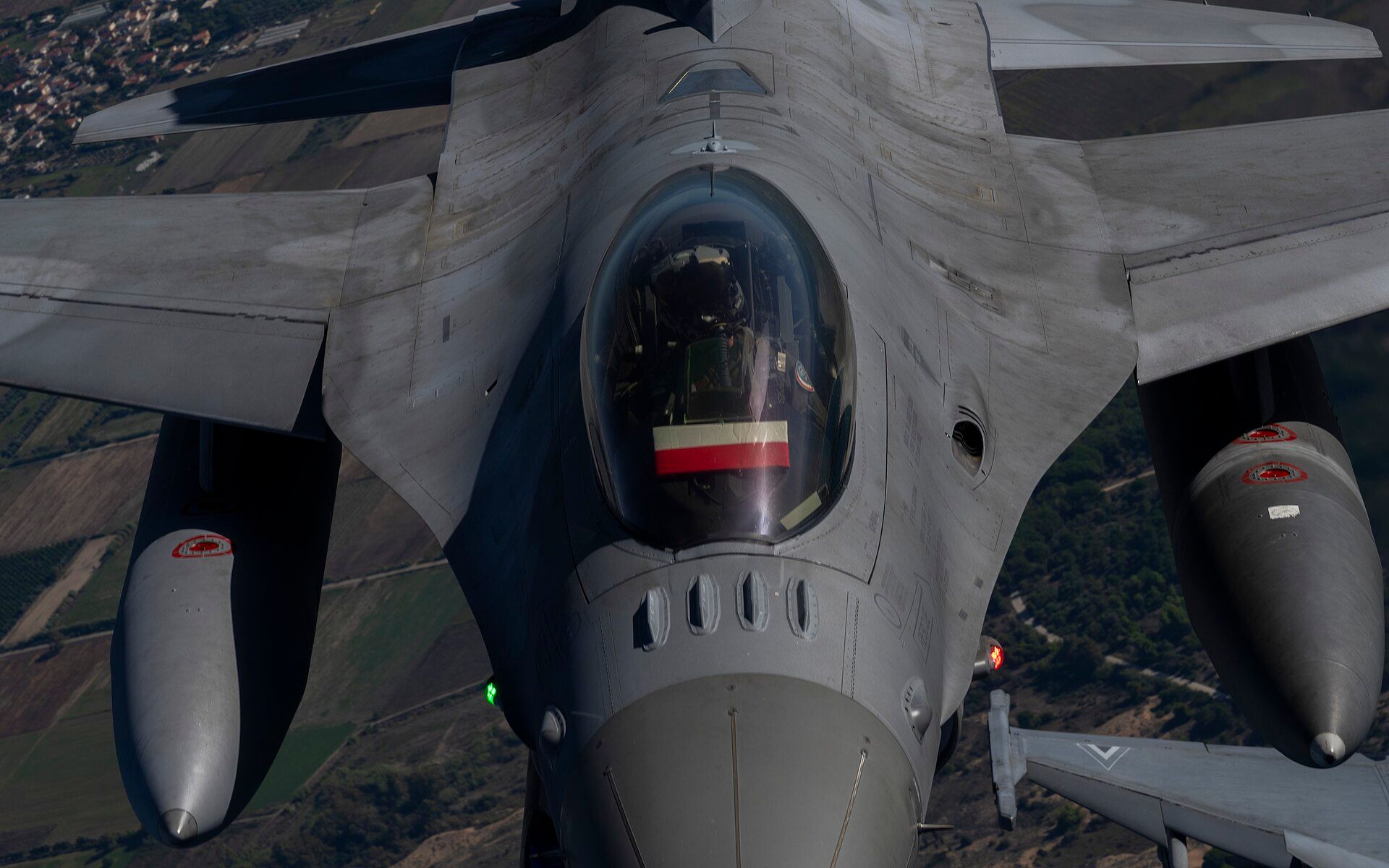
Canada has officially entered the fifth-generation fighter era, taking delivery of its first two F-35A Lightning II aircraft. The milestone marks a symbolic turning point for the Royal Canadian Air Force, which has operated ageing CF-18 Hornets for decades. Yet the arrival of these initial jets is accompanied by an uncomfortable truth: the full 88-aircraft order that underpins Canada's future air power is anything but settled.
The two aircraft are not destined for immediate frontline service in Canada. Instead, they will support pilot and maintainer training, with personnel heading south to begin specialised instruction on the type. This is a familiar pattern for new F-35 operators, allowing crews to build familiarity on established training infrastructure before standing up domestic squadrons. For the RCAF, the priority is generating qualified aircrew and a sustainable maintenance backbone before the fleet grows.
Background matters here. Canada's fighter replacement saga is one of the longest-running procurement stories in modern aviation. The CF-18 fleet, originally acquired in the 1980s, has been kept viable through incremental upgrades and life-extension programmes. Ottawa launched the Future Fighter Capability Project, evaluated competitors, and eventually selected the Lockheed Martin F-35A in 2022 after years of political wrangling. The plan called for 88 aircraft to replace the Hornets and restore a credible multirole capability across NORAD and NATO commitments.
That plan is now under strain. The programme faces questions over payment structures, with the financing and cash-flow arrangements between government and industry drawing scrutiny. Supplier jobs are another pressure point. Canada's defence procurement framework typically expects industrial offsets, and the F-35's global production model complicates the picture because work is allocated through the multinational Joint Strike Fighter programme rather than through simple bilateral offset guarantees. Domestic firms have secured contracts, but the scale and durability of those benefits remain a political issue.
Then there is sovereignty. The F-35 is a deeply networked aircraft, with software, sustainment and upgrade pathways controlled through a US-led coalition. Critics argue that this creates dependencies, particularly around data, mission systems and the ability to operate independently. Supporters counter that interoperability with allies is precisely the point, and that Canada's NORAD and NATO roles demand a platform that speaks the same tactical language as partners. The debate is not unique to Canada, but it carries particular weight given the country's geography and its close defence relationship with Washington.
For industry observers, the key facts are straightforward. Two aircraft have been delivered. Training is underway. The 88-jet commitment remains the stated objective, but its execution depends on funding certainty, contractual clarity and political will. Any slowdown or reduction would have consequences beyond the RCAF. Lockheed Martin's production line and the wider F-35 partner network rely on predictable orders, and Canada's participation affects both pricing and industrial participation across the programme.
There are also operational implications. A smaller fleet would strain the RCAF's ability to sustain two main operating bases, meet NORAD alert commitments and deploy expeditionary forces. The F-35's sustainment costs are significant, and governments must budget for decades of maintenance, training and upgrades. Delivery of the first jets is therefore the easy part; the hard part is funding and managing a fleet for the long haul.
Outlook: expect continued political scrutiny over payments, offsets and sovereignty, with the government likely to reaffirm the 88-aircraft target while adjusting timelines and financial arrangements. The arrival of the first two jets gives proponents a tangible symbol of progress. But until the funding and industrial questions are resolved, Canada's full F-35 fleet will remain a promise rather than a guarantee.
Comments (0)
No comments yet. Be the first to share your thoughts.