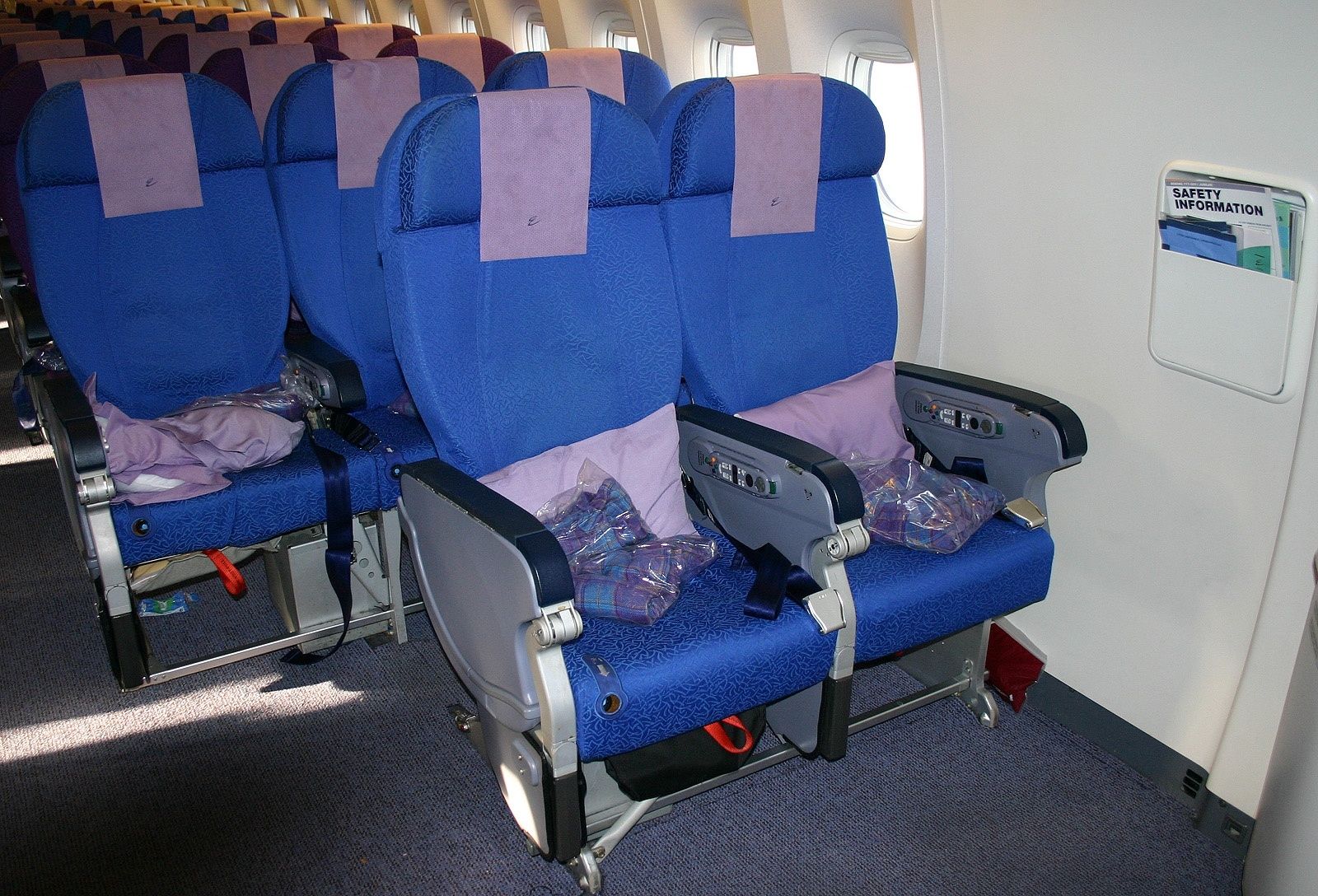
In recent years, extra legroom economy has emerged as a formidable competitor to premium economy, reshaping the cabin class hierarchy. Airlines are increasingly offering seats with expanded pitch and priority boarding at a fraction of the premium economy fare, prompting many travelers to reconsider the value of upgrading.
One key factor is the narrowing gap in seat comfort. Extra legroom economy typically provides 34-36 inches of pitch, closely matching the 38 inches often found in premium economy. While premium economy adds wider seats, better recline, and enhanced meals, these perks come at a steep price—often double or triple the cost of a standard economy ticket. For budget-conscious flyers, the marginal gains may not justify the expense.
Airlines have also ramped up their extra legroom products. Carriers like Delta, American, and United now offer dedicated sections such as Comfort+ and Main Cabin Extra, which include priority boarding and complimentary snacks. These amenities were once exclusive to premium cabins, further eroding the distinction.
Additionally, the rise of premium economy has led to overcrowding in some cabins, with seats often sold out or upgraded via loyalty programs. In contrast, extra legroom economy remains more accessible and frequently available, even on short notice.
From a revenue perspective, airlines benefit from upselling extra legroom seats at lower price points, capturing travelers who might otherwise balk at premium economy fares. This strategy fills seats and boosts ancillary revenue without sacrificing the exclusivity of the front cabin.
Ultimately, the decision hinges on individual priorities. For those seeking a lie-flat bed or business-class service, premium economy still falls short. But for travelers who simply want more space and a smoother airport experience, extra legroom economy presents a compelling alternative. As airlines continue to refine their offerings, the battle for the middle cabin is only intensifying.
Comments (0)
No comments yet. Be the first to share your thoughts.