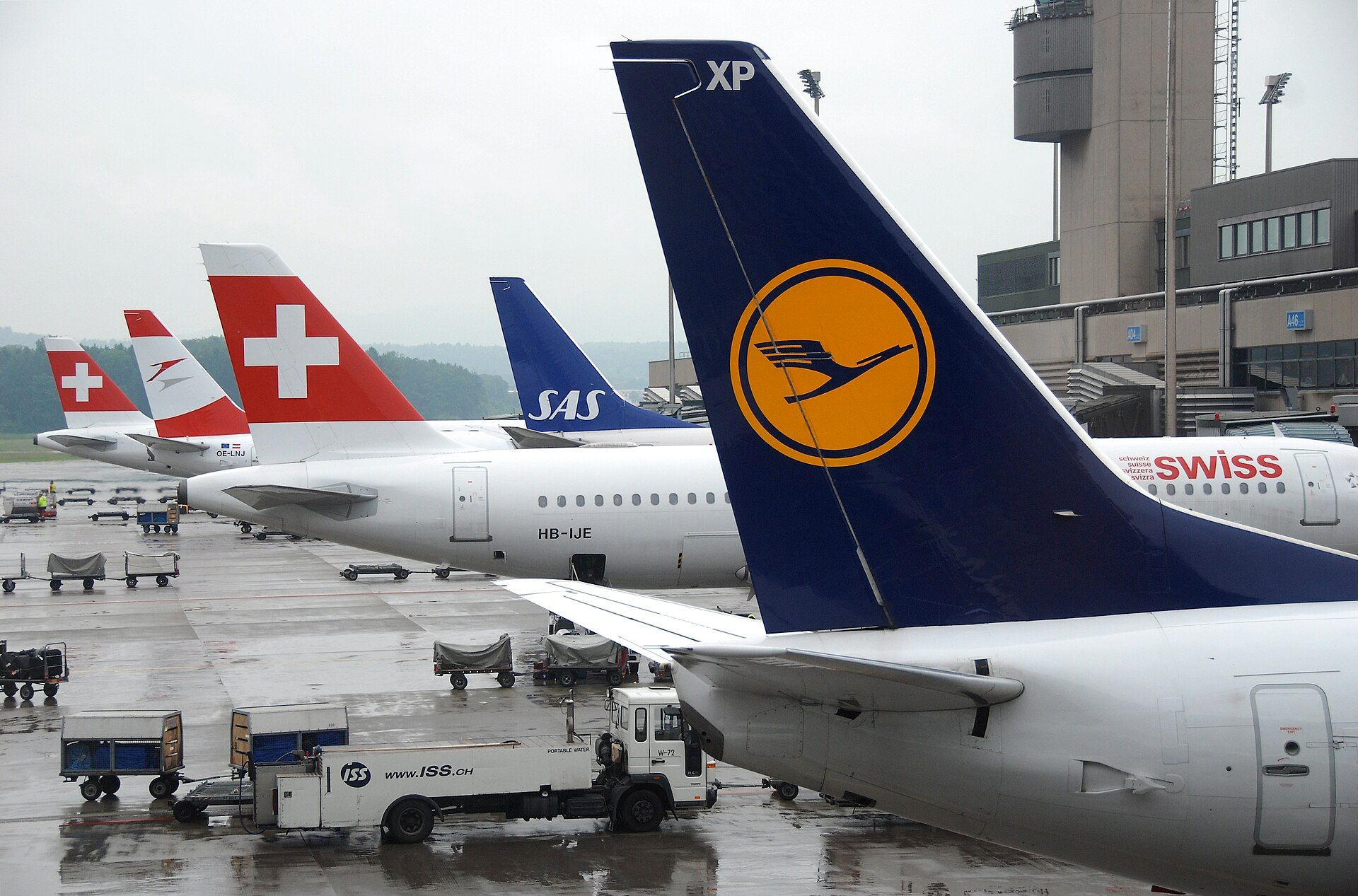
Lufthansa Group has moved to expand its Boeing 737 MAX order book, converting options for 20 additional MAX 10 aircraft into firm commitments. The decision, approved by the group's supervisory board, raises its total firm order for the 737 MAX family to 60 aircraft. Deliveries of the newly ordered MAX 10s are slated to begin in the early 2030s, according to the group. This development builds on Lufthansa's 2023 agreement with Boeing, which included a mix of firm orders and options for the 737 MAX. By exercising these options, the German aviation giant is signaling confidence in the largest variant of the MAX family and reinforcing its long-term fleet strategy.
The 737 MAX 10, the largest member of the MAX family, typically seats 188 to 204 passengers in a two-class configuration and offers range of up to 3,300 nautical miles. It is designed to compete directly with the Airbus A321neo, which has become a favorite among airlines for its capacity and efficiency. Lufthansa's move to secure more MAX 10s comes as it seeks to replace older, less fuel-efficient narrowbody aircraft and streamline its short- and medium-haul operations. The group has not specified which of its airlines will receive the new aircraft, but the MAX 10's size and range make it suitable for high-density routes within Europe and potentially for longer thin routes.
The order is a significant win for Boeing, which has faced a turbulent period marked by production delays, regulatory scrutiny, and delivery setbacks. The MAX 10 program itself has encountered certification hurdles, with Boeing working to meet new safety standards mandated by the U.S. Congress in the wake of two fatal crashes involving the MAX 8. Those standards, particularly around the aircraft's angle-of-attack disagree alert system, have pushed back the expected entry into service for the MAX 10 to 2025 or later. Lufthansa's early 2030s delivery timeline suggests the group is accounting for these delays while locking in long-term capacity.
For Lufthansa, the order is part of a broader fleet modernization effort that includes both Boeing and Airbus aircraft. The group has also placed significant orders for the Airbus A220 and A320neo families, as well as the Boeing 787 Dreamliner and 777X for long-haul missions. This dual-source strategy gives Lufthansa flexibility and leverage in negotiations with manufacturers, while ensuring it can adapt to shifting market conditions. The MAX 10's economics—lower fuel burn and maintenance costs compared to older 737s—align with Lufthansa's sustainability goals and its aim to reduce carbon emissions per passenger.
Industry analysts view the order as a vote of confidence in Boeing's ability to deliver the MAX 10 despite its certification challenges. It also underscores the resilience of the narrowbody market, which has rebounded strongly from the pandemic as airlines resume domestic and regional flying. The MAX 10 competes in a segment that is expected to grow, particularly in Europe where slot-constrained airports like Frankfurt and Munich require larger aircraft to maximize capacity. Lufthansa's commitment could encourage other airlines to consider the MAX 10, though Airbus's A321neo remains the dominant choice in that size category.
Looking ahead, Lufthansa's MAX 10s will not arrive until the next decade, meaning the group will rely on its existing A320 family and older 737s in the interim. The order provides a bridge to future growth and replacement needs, but it also carries risks: further delays in MAX 10 certification or production could impact Lufthansa's fleet plans. Boeing must navigate regulatory approvals and ramp up production while maintaining quality. For Lufthansa, the key will be integrating the MAX 10 smoothly into its operations, training crews, and ensuring commonality benefits with its existing MAX fleet—though the group has not yet taken delivery of its first MAX aircraft. As the aviation industry recovers and focuses on efficiency, this order highlights the ongoing battle between Boeing and Airbus for dominance in the lucrative narrowbody market.
Comments (0)
No comments yet. Be the first to share your thoughts.